Introduction
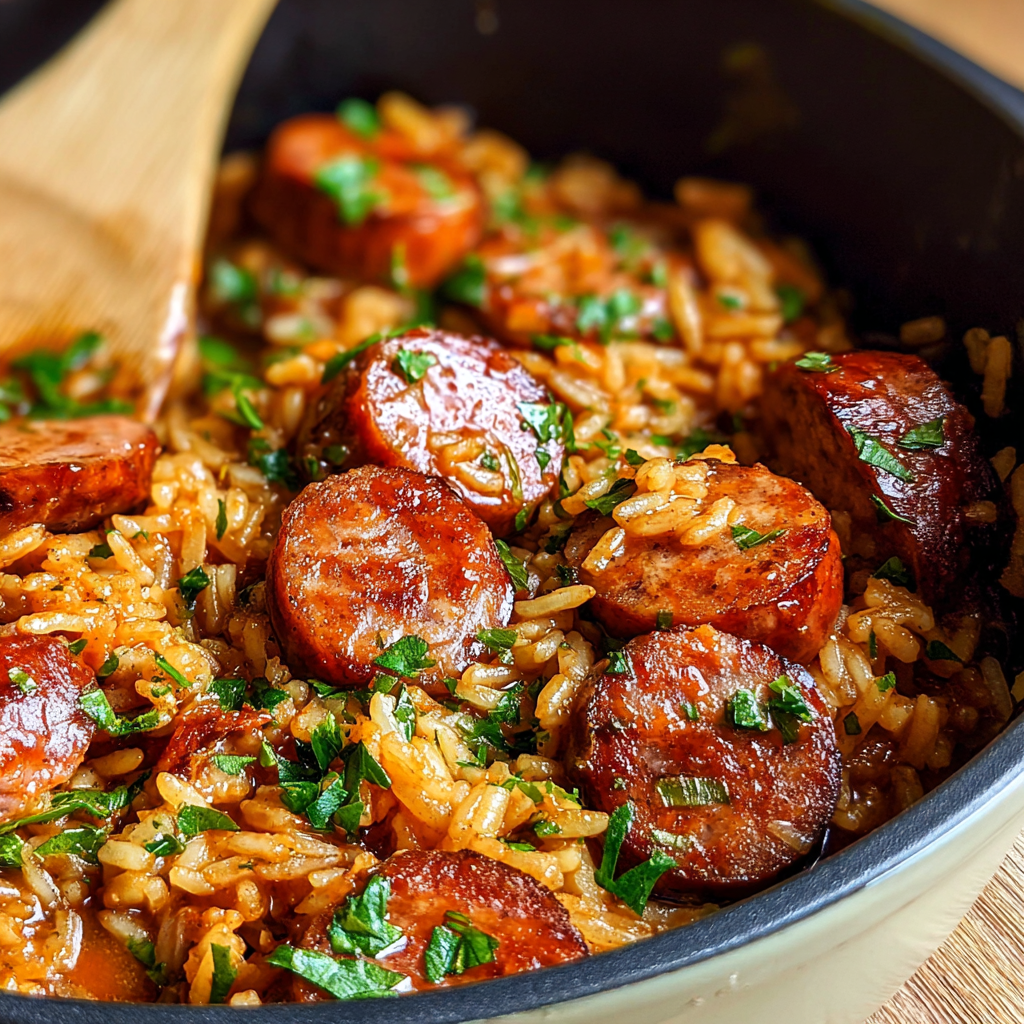
Sausage jambalaya is a vibrant one-pot dish that encapsulates the spirit of Creole and Cajun cuisine. Originating in Louisiana, this dish masterfully combines rice, sausage, and a medley of vegetables. It's not just a meal; it's an experience bursting with rich flavors.
Perfect for gatherings or a cozy night in, jambalaya is incredibly versatile. Though variations exist, the savory sausage remains a staple, imparting depth and heartiness to this beloved dish. Let the aromatic spices and ingredients transport your kitchen to the lively streets of New Orleans.
Ingredients
- 1 pound smoked sausage
Smoked sausage is the cornerstone of jambalaya, providing a robust flavor that infuses throughout the dish. It adds a satisfying, meaty element and helps define the traditional taste of this Creole classic. - 1 medium onion, diced
Onions form the aromatic base of the dish, offering sweetness and depth. They caramelize as they cook, enhancing the overall flavor profile and melding beautifully with the spices. - 1 green bell pepper, diced
Adding a slight crunch and fresh, slightly sweet flavor, bell peppers bring color and nutritional value to jambalaya. They work in harmony with the other vegetables to create a balanced dish. - 2 stalks celery, diced
Celery enhances the dish's texture with its crunch and adds an earthy flavor. This ingredient also contributes to the classic ‘trinity’ found in many Southern dishes. - 3 cloves garlic, minced
Garlic introduces a pungent, aromatic quality that elevates the dish's flavor. Its rich, savory essence melds with other ingredients, creating a fragrant base. - 1 1/2 cups long-grain rice
Rice serves as the primary starch in jambalaya, absorbing all the savory flavors from the meat and vegetables while providing a filling texture. Long-grain rice ensures the dish remains fluffy. - 4 cups chicken broth
Chicken broth acts as the cooking liquid, introducing moisture and a rich, savory backdrop for the rice. It enhances the overall taste and helps fuse all elements together. - 1 can (14.5 oz) diced tomatoes, undrained
Diced tomatoes provide acidity and sweetness, balancing the richness of the sausage. They also contribute to the dish's color and moisture, making it more vibrant. - 2 teaspoons Cajun seasoning
Cajun seasoning is the flavor powerhouse, combining spices like paprika, cayenne, and thyme. It adds heat and complexity, defining the dish’s character and authenticity. - 1 teaspoon dried thyme
Thyme adds a subtle, earthy note that complements the other herbs and spices in jambalaya. Its aromatic qualities help tie the diverse flavors together. - Salt and pepper to taste
Seasoning with salt and pepper enhances all the flavors of the ingredients, allowing each element to shine. Balancing these spices is crucial for achieving the perfect taste. - 1/2 cup green onions, chopped (for garnish)
Green onions add a fresh, crunchy finish to the dish. Their bright flavor contrasts beautifully with the richness of the jambalaya, making each bite more enjoyable.
Directions & Preparation
Step 1: Slice the sausage into 1/4-inch rounds and heat a large pot over medium heat.
Slicing the sausage allows it to caramelize and develop a nice crust that adds flavor. Heating the pot first ensures that the sausage cooks evenly and locks in the juices as it sears.
Step 2: Add the sausage to the pot and cook for about 5-7 minutes until browned.
The browning process creates a depth of flavor through the Maillard reaction, producing a savory base for the jambalaya. This step is key to enhancing the overall taste of the dish.
Step 3: Add in the diced onion, bell pepper, celery, and minced garlic. Sauté for 5 minutes.
Sautéing the vegetables softens their textures and brings out their natural flavors. This step builds the aromatic foundation, creating a fragrant base that complements the sausage.
Step 4: Stir in the rice, mixing well with the vegetables and sausage.
Mixing the rice with the other ingredients allows it to absorb flavors before adding liquid. This helps to ensure that every grain of rice is well-seasoned and cooked evenly.
Step 5: Pour in the chicken broth and add the diced tomatoes, Cajun seasoning, and thyme.
Adding liquid is essential for cooking the rice and developing the sauce. The combination of broth and tomatoes infuses the rice with flavor while keeping it moist throughout the cooking process.
Step 6: Bring the mixture to a boil, then reduce the heat and cover the pot.
Boiling activates the cooking process for the rice. Once covered, reducing the heat allows the rice to simmer gently, which prevents sticking and ensures even cooking.
Step 7: Cook for about 20-25 minutes, or until the rice is tender and liquid is absorbed.
Monitoring this step is crucial; overcooking can lead to mushy rice. Perfectly cooked rice is fluffy and absorbs the full flavor of the jambalaya, showcasing its character.
Step 8: Remove from heat and let it sit, covered, for 5-10 minutes before serving.
Letting the jambalaya rest allows residual steam to finish cooking the rice and meld the flavors. This final step improves the texture and ensures a balanced flavor in each serving.
Step 9: Fluff the jambalaya with a fork and sprinkle with chopped green onions before serving.
Fluffing the dish prevents clumping and enhances the presentation. The fresh green onions add a vibrant touch and a burst of flavor that contrasts with the rich jambalaya.

Exploring Flavor Profiles in Sausage Jambalaya
Each ingredient in sausage jambalaya plays a significant role in creating the dish’s punchy flavor profile. The smoky sausage delivers richness, while vegetables like onion and bell pepper provide sweetness and brightness. Together with aromatic herbs and spices, these elements create a well-rounded dish that is both hearty and satisfying.
Choosing the Right Sausage for Authenticity
The choice of sausage can significantly influence the character of your jambalaya. Traditional recipes often feature andouille sausage, which is moderately spicy and smoky. However, any smoked sausage can work well. Just ensure it is well-seasoned to impart that deeper flavor essential for a traditional jambalaya experience.
Customization: Make It Your Own
One of the best aspects of jambalaya is its versatility. While sausage is a staple, you can easily add shellfish, chicken, or vegetables to suit your taste. Experiment with different spices to find your perfect balance of heat and flavor. Jambalaya is a canvas that welcomes your personal touch!
FAQs
What if my jambalaya turns out too thick?
If your jambalaya is too thick, you can add a small amount of broth or water while gently stirring to loosen it. Heat it gradually to incorporate the liquid without making it too soupy.
How can I add more spice to my jambalaya?
To spice up your jambalaya, consider adding cayenne pepper, Tabasco sauce, or even diced jalapeños. Begin with a small amount and adjust to your desired heat level.
Is there a way to thicken my jambalaya if it is too watery?
If your jambalaya is too watery, let it simmer uncovered for a few minutes to allow some liquid to evaporate. You can also stir in a little more rice or a slurry of cornstarch and water for quick thickening.
Can I substitute the sausage for another protein?
Yes, you can substitute the sausage with chicken, shrimp, or even tofu for a vegetarian option. Adjust cooking times accordingly, especially for proteins that require less time to cook.
What should I do if I accidentally overcook the rice?
If the rice is overcooked and mushy, consider repurposing the jambalaya into a filling for stuffed peppers or layering it in a casserole. This way, you can still enjoy the flavors without the texture issue.
Can I include additional vegetables in my jambalaya?
Absolutely! Feel free to add vegetables such as okra, zucchini, or carrots. Just ensure they are cut into uniform sizes for even cooking.
Conclusion
Sausage jambalaya is more than just a dish; it’s a celebration of flavor, culture, and community. Whether you're cooking for a crowd or enjoying a quiet dinner, this recipe is bound to impress while showcasing the warmth of Southern cooking.
By experimenting with different ingredients and flavors, you can make this classic uniquely yours. So gather your ingredients, ignite your culinary creativity, and share the deliciousness of jambalaya with family and friends.
Recipe Card

Savor the Bold Flavors of Sausage Jambalaya
Ingredients
- 1 pound smoked sausage
- 1 medium onion diced
- 1 green bell pepper diced
- 2 stalks celery diced
- 3 cloves garlic minced
- 1 1/2 cups long-grain rice
- 4 cups chicken broth
- 1 can 14.5 oz diced tomatoes, undrained
- 2 teaspoons Cajun seasoning
- 1 teaspoon dried thyme
- Salt and pepper to taste
- 1/2 cup green onions chopped (for garnish)
Instructions
- Slice the sausage into 1/4-inch rounds and heat a large pot over medium heat.
- Add the sausage to the pot and cook for about 5-7 minutes until browned.
- Add in the diced onion, bell pepper, celery, and minced garlic. Sauté for 5 minutes.
- Stir in the rice, mixing well with the vegetables and sausage.
- Pour in the chicken broth and add the diced tomatoes, Cajun seasoning, and thyme.
- Bring the mixture to a boil, then reduce the heat and cover the pot.
- Cook for about 20-25 minutes, or until the rice is tender and liquid is absorbed.
- Remove from heat and let it sit, covered, for 5-10 minutes before serving.
- Fluff the jambalaya with a fork and sprinkle with chopped green onions before serving.
Notes
Additional serving suggestions: pair with a crisp salad, garlic bread, or roasted seasonal vegetables for balance.
For make-ahead, prep components separately and assemble just before heating to preserve texture.
Taste and adjust with acid (lemon/vinegar) and salt right at the end to wake up flavors.