Introduction
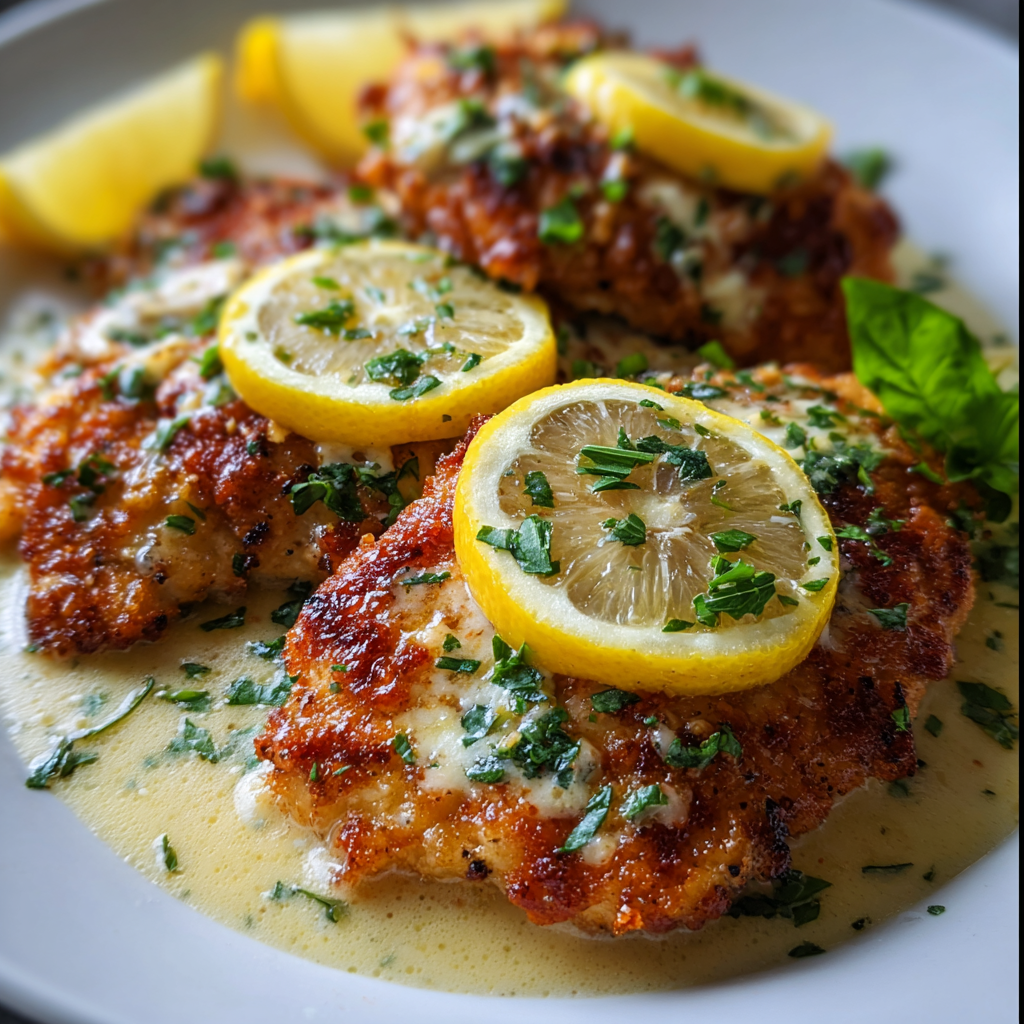
Lemon Chicken Romano is a delightful dish that combines the brightness of lemon with the rich flavors of Romano cheese. This recipe not only elevates a simple chicken breast but also brings a refreshing zesty kick that energizes your palate. Whether you're preparing it for a weeknight dinner or a special occasion, its appeal lies in its simplicity and bold flavors.
The allure of Lemon Chicken Romano is in its ability to balance textures and tastes, providing a crispy exterior with a tender, juicy interior. The lemon's acidity cuts through the richness of the cheese, creating a harmonious dish that pleases crowds. Plus, it's a dish that's easy to adapt for various dietary preferences.
Ingredients
- 4 boneless, skinless chicken breasts
Chicken breasts are the main protein in this dish, providing a lean and versatile base. Their mild flavor allows the zesty lemon and savory Romano cheese to shine. - ½ cup grated Romano cheese
Romano cheese adds a sharp, salty flavor that enhances the overall taste of the dish. It melts slightly during cooking, creating a delightful crust on the chicken. - 1 cup all-purpose flour
Flour is essential for dredging the chicken, which helps create a crispy coating. It absorbs moisture, preventing the chicken from becoming soggy during cooking. - 2 large eggs
Eggs act as a binding agent, helping the flour and cheese adhere to the chicken. They also contribute richness and moisture to the chicken. - 3 tablespoons olive oil
Olive oil is used for frying the chicken, imparting its distinct flavor while ensuring a golden, crispy crust. It has a higher smoke point, making it ideal for sautéing. - Juice of 2 lemons
Lemon juice brings acidity and brightness to the dish. It not only flavors the chicken but also helps tenderize the meat, making it juicy and flavorful. - Salt and pepper to taste
Seasoning with salt and pepper is crucial for enhancing the dish's overall flavor. It balances and elevates the natural tastes of the chicken and cheese. - Fresh parsley for garnish (optional)
Parsley adds a touch of color and freshness to the finished dish. It enhances the presentation and provides a subtle herbaceous note.
Directions & Preparation
Step 1: Prepare the chicken breasts by pounding them to an even thickness.
Pounding the chicken breasts ensures they cook evenly, preventing some parts from becoming overcooked while others remain underdone. This step also helps to tenderize the meat, making for a more enjoyable eating experience.
Step 2: Set up a dredging station with flour, beaten eggs, and Romano cheese.
Creating a dredging station with separate plates for flour, eggs, and cheese allows for a systematic coating process. This ensures that the chicken is evenly coated, providing a deliciously crispy crust when cooked.
Step 3: Season the chicken with salt and pepper before dredging.
Seasoning the chicken prior to dredging enhances flavor. It allows the seasoning to penetrate the meat rather than just sitting on the surface, ensuring every bite is flavorful.
Step 4: Dredge each chicken breast in flour, dip in eggs, then coat with Romano cheese.
This three-step dredging process builds layers of flavor and texture. The flour creates a dry surface that the egg can cling to, while the Romano cheese forms that essential crispy crust.
Step 5: Heat olive oil in a skillet over medium-high heat and add the chicken.
Heating the olive oil is critical for achieving a golden brown crust on the chicken. If the oil isn’t hot enough, the coating can absorb too much oil, resulting in a greasy texture instead of a crisp one.
Step 6: Cook the chicken for about 5-7 minutes on each side until golden brown.
Cooking the chicken until golden brown not only improves the visual appeal but also enhances the flavors through the Maillard reaction, which adds depth to the dish. Use a meat thermometer to ensure an internal temperature of 165°F.
Step 7: Remove the chicken from the skillet and squeeze fresh lemon juice over the top.
Drizzling fresh lemon juice over the plated chicken enhances the flavor and acidity, balancing the richness of the Romano cheese. This step brightens the dish just before serving.
Step 8: Garnish with fresh parsley and serve immediately.
Garnishing the dish with parsley not only adds a splash of color but also freshness that complements the zesty chicken. Serving immediately ensures the chicken maintains its crisp texture.

Perfecting the Crispy Coating
Achieving the ideal crispy coating on your Lemon Chicken Romano involves meticulous dredging. It's important to ensure that the chicken is well-coated in flour, allowing it to absorb moisture during cooking. The egg layer secures the flour, while the Romano cheese provides a savory crescendo. For an even better crust, consider letting it rest for a few minutes after dipping before cooking.
Balancing Acidity and Flavor
Lemon plays a crucial role in this dish, not just for flavor but also for tenderizing the chicken. Its acidity cuts through the richness of the cheese, creating a well-rounded profile. Adjust the amount of lemon juice to your preference, but remember, a little goes a long way. For those who enjoy a stronger lemon flavor, adding lemon zest can enhance the citrus aroma.
Serving Suggestions to Enhance the Meal
Lemon Chicken Romano pairs beautifully with light sides that won't overpower its flavors. Consider serving it with a simple arugula salad or steamed asparagus tossed in olive oil. For a heartier option, lemon-infused or garlic mashed potatoes complement the chicken wonderfully, allowing its flavors to shine while offering a satisfying meal.
FAQs
What can I do if the crust is too thick?
If the crust becomes too thick, it can overshadow the chicken's flavor and texture. Consider reducing the amount of cheese in the coating or using less flour next time to achieve a lighter, crispier finish.
Why did my chicken turn out bland?
Bland chicken often results from insufficient seasoning before cooking. Ensure you season the chicken with salt and pepper generously. Additionally, adding lemon zest to the coating can provide that needed flavor boost.
Can I use a different cheese instead of Romano?
Yes, you can substitute Romano cheese with grated Parmesan for a slightly different flavor. However, keep in mind that this will alter the taste profile, so choose according to your preference.
My chicken turned out overcooked and dry, what should I do differently?
Overcooked chicken often results from prolonged frying. Use a meat thermometer to check for doneness at 165°F. Remove the chicken promptly from heat to prevent drying out.
What if I want a gluten-free version?
For a gluten-free version, substitute all-purpose flour with a gluten-free flour blend. Ensure the cheese you choose is not processed with gluten-containing products.
How can I scale this recipe for a larger crowd?
Scaling up is simple; just multiply the ingredient quantities by the number of servings needed. Ensure you have ample skillet space to prevent crowding, which can lead to uneven cooking.
Conclusion
Lemon Chicken Romano is a flavorful way to enjoy chicken with a twist. Its crispy coating, complemented by the zesty lemon and salty cheese, creates a dish that is both satisfying and uplifting. Whether it’s a quick weeknight meal or an impressive dish for entertaining, it never ceases to delight.
With a few straightforward steps, you can bring the essence of restaurant-quality dining into your home. Remember that cooking is not just about following a recipe; it’s about enjoying the process and discovering flavors that resonate with you.
Recipe Card
Lemon Chicken Romano: A Bright Flavor Experience
Ingredients
- 4 boneless skinless chicken breasts
- ½ cup grated Romano cheese
- 1 cup all-purpose flour
- 2 large eggs
- 3 tablespoons olive oil
- Juice of 2 lemons
- Salt and pepper to taste
- Fresh parsley for garnish optional
Instructions
- Prepare the chicken breasts by pounding them to an even thickness.
- Set up a dredging station with flour, beaten eggs, and Romano cheese.
- Season the chicken with salt and pepper before dredging.
- Dredge each chicken breast in flour, dip in eggs, then coat with Romano cheese.
- Heat olive oil in a skillet over medium-high heat and add the chicken.
- Cook the chicken for about 5-7 minutes on each side until golden brown.
- Remove the chicken from the skillet and squeeze fresh lemon juice over the top.
- Garnish with fresh parsley and serve immediately.
Notes
Additional serving suggestions: pair with a crisp salad, garlic bread, or roasted seasonal vegetables for balance.
For make-ahead, prep components separately and assemble just before heating to preserve texture.
Taste and adjust with acid (lemon/vinegar) and salt right at the end to wake up flavors.