Introduction
Mongolian beef is a dish that’s beloved for its rich flavors and tender cuts of meat. When prepared in a slow cooker, it takes on new depths of flavor, allowing the ingredients to meld beautifully over time. It's perfect for busy families who crave a hearty dinner without spending all day in the kitchen.
Using a slow cooker transforms tougher cuts of meat into melt-in-your-mouth bites, enriched by a savory and slightly sweet sauce. The beauty of this dish lies not only in its taste but in the simplicity of its preparation. Just set it and forget it until it's time to enjoy a warm bowl of comfort.
Ingredients
- 2 pounds flank steak, sliced thinly against the grain
Flank steak is ideal for slow cooking – it has a good amount of connective tissue that breaks down during cooking, resulting in tender meat. Slicing against the grain ensures each bite is easy to chew. - 1 cup soy sauce
Soy sauce adds saltiness and umami depth to the dish. It acts as a base for the sauce, infusing the meat with flavor while also helping to tenderize it. - 1 cup beef broth
Beef broth enriches the overall flavor profile, providing a hearty backdrop that complements the soy sauce. It also contributes moisture, preventing the dish from drying out during long cooking. - 1 cup brown sugar
Brown sugar introduces a touch of sweetness that beautifully balances the saltiness of soy sauce. It aids in caramelizing the meat during cooking, enhancing the dish's richness. - 4 cloves garlic, minced
Garlic imparts a bold and aromatic quality to the sauce. As it cooks, it mellows and infuses the meat, making each bite flavorful. - 1 tablespoon ginger, minced
Ginger adds a warm, spicy kick that cuts through the richness of the beef. It also has a tenderizing effect on the meat. - 2 tablespoons cornstarch
Cornstarch is essential for thickening the sauce towards the end of cooking, giving it a luscious, gravy-like texture that clings to the beef. - 2 tablespoons vegetable oil
Vegetable oil is used for searing the beef before slow cooking. This step enhances the flavor by creating a deep caramelization on the meat's surface. - 1 cup green onions, chopped for garnish
Fresh green onions provide a crisp, fresh contrast to the rich meat, adding both color and a mild oniony flavor that brightens the dish.
Directions & Preparation
Step 1: Prepare the flank steak
Begin by slicing the flank steak against the grain into thin strips. This technique is crucial, as it ensures that the final product remains tender and easy to chew. The thinner the slices, the better they'll absorb the flavors of the sauce.
Step 2: Sear the beef
In a skillet, heat vegetable oil over medium-high heat. Once the oil is shimmering, add the sliced beef in batches to avoid overcrowding. Searing enhances flavor by creating a crust through the Maillard reaction, which will deepen the dish's complexity.
Step 3: Mix the sauce
In a bowl, whisk together soy sauce, beef broth, brown sugar, minced garlic, and ginger. This mixture will serve as the foundational sauce for your Mongolian beef. Adjust sugar levels according to your palate – the balance of sweetness and saltiness is key.
Step 4: Add beef and sauce to the slow cooker
Transfer the seared beef to the slow cooker and pour the prepared sauce over it. Stir gently to combine, ensuring every piece of meat is coated. This ensures that the beef will absorb all those rich flavors while cooking.
Step 5: Cook on low
Cover and cook on low for about 6-7 hours or on high for 3-4 hours. Cooking on low allows the flavors to meld harmoniously while the beef becomes incredibly tender. Monitor the cooking time based on your slow cooker model for optimal results.
Step 6: Thicken the sauce
Once the cooking time is up and the beef is tender, create a slurry by mixing cornstarch with a little water. Stir this into the slow cooker and let it cook for an additional 30 minutes. This step will result in a silky, thick sauce that clings perfectly to the meat.
Step 7: Garnish and serve
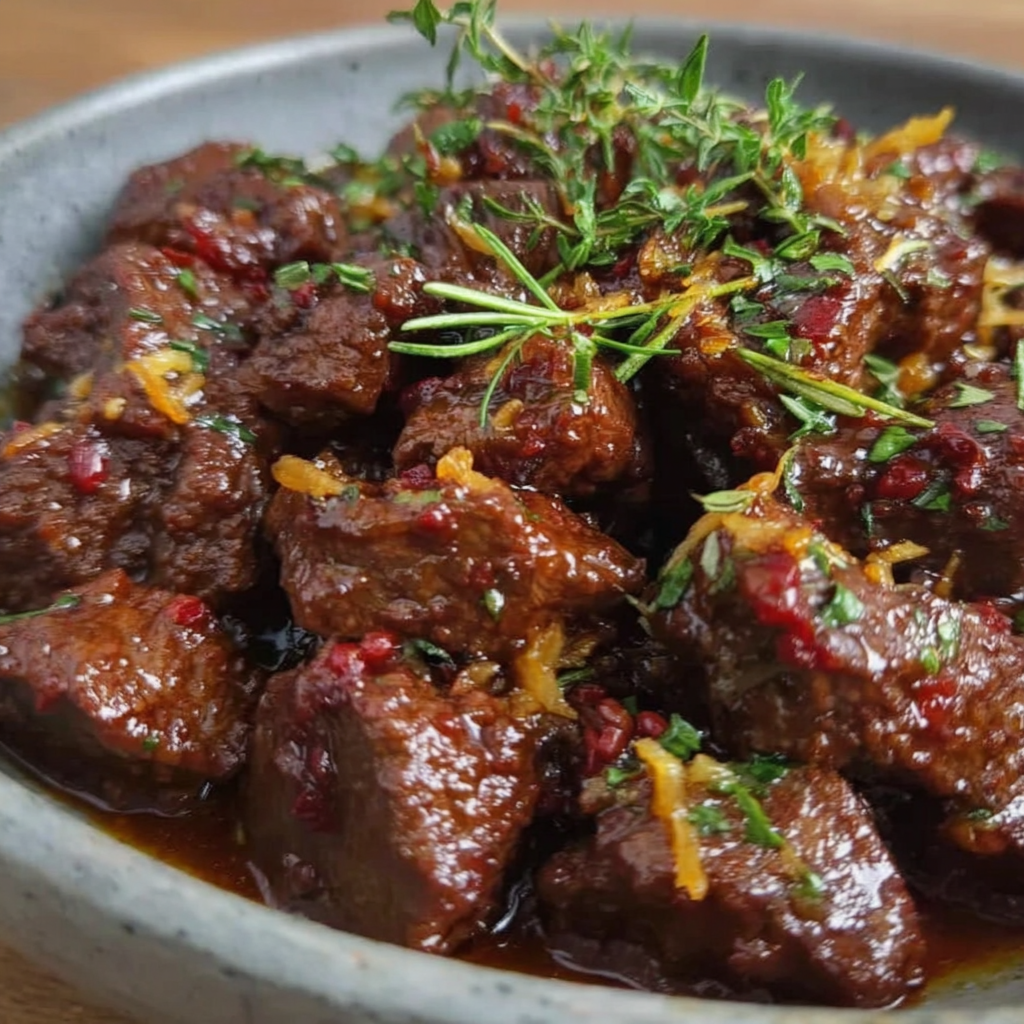
Before serving, taste the sauce and adjust seasonings if necessary. Serve the Mongolian beef hot, garnished with chopped green onions. The fresh garnish adds a beautiful crunch and brightness to the rich dish.

Selecting the Right Cut of Beef
Choosing the right cut of beef is vital for a successful Mongolian beef dish. Flank steak is typically preferred for its balance of tenderness and flavor, but you can also use other cuts like top sirloin or chuck roast. Just remember, whatever cut you choose, the slow cooking process will help tenderize tougher meats and meld flavors.
The Art of Balancing Flavors
Achieving the perfect balance of flavors is key to a memorable Mongolian beef. This dish hinges on the harmony between sweet, salty, and umami components. Adjusting sugar or soy sauce levels to your taste is important, as is ensuring not to overpower the innate flavor of the beef. Experimenting with flavors will ultimately lead you to your ideal dish.
Serving Suggestions for Mongolian Beef
Mongolian beef pairs magnificently with steamed rice or noodles, allowing the sauce to coat each grain or strand beautifully. Adding a simple side of stir-fried veggies can enhance the meal by introducing color and texture. Alternatively, serve it with crispy egg rolls for a wonderful Asian-inspired feast.
FAQs
What can I do if the sauce is too thick?
If your sauce turns out too thick, simply stir in a bit of beef broth or water to reach your desired consistency. Let it cook for a few more minutes after adding the liquid.
How can I adjust this recipe for smaller servings?
To scale down the recipe, simply halve the quantities while keeping the cooking time the same. The flavors will still meld beautifully, ensuring a delightful dish.
What if the beef is tough after cooking?
If the beef turns out tough, it may require more time in the slow cooker. Tough cuts need longer cooking periods for the connective tissue to break down properly.
Can I replace brown sugar with another sweetener?
While brown sugar provides depth, you can use honey or coconut sugar as substitutes. However, be mindful that this may slightly alter the flavor profile.
Is it possible to add vegetables to the dish?
Absolutely! Adding bell peppers, broccoli, or snap peas during the last hour of cooking can introduce freshness and extra nutrition while maintaining the dish's essence.
Will the dish taste as good with chicken instead of beef?
Yes, you can substitute chicken for beef; just adjust the cooking time as chicken generally cooks faster. Ensure it reaches 165°F for food safety.
Conclusion
Slow cooker Mongolian beef is a fantastic dish that marries simplicity with robust flavors, making it a go-to for weeknight dinners. With minimal prep work and the hands-off cooking process, you can create a meal that impresses everyone at the table.
By adjusting flavors and experimenting with various serving options, you'll find this dish adaptable to your taste. Enjoy exploring the endless possibilities that this delicious recipe offers.
Recipe Card
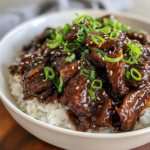
Irresistibly Tender Slow Cooker Mongolian Beef
Ingredients
- 2 pounds flank steak sliced thinly against the grain
- 1 cup soy sauce
- 1 cup beef broth
- 1 cup brown sugar
- 4 cloves garlic minced
- 1 tablespoon ginger minced
- 2 tablespoons cornstarch
- 2 tablespoons vegetable oil
- 1 cup green onions chopped for garnish
Instructions
- Prepare the flank steak
- Sear the beef
- Mix the sauce
- Add beef and sauce to the slow cooker
- Cook on low
- Thicken the sauce
- Garnish and serve
Notes
Additional serving suggestions: pair with a crisp salad, garlic bread, or roasted seasonal vegetables for balance.
For make-ahead, prep components separately and assemble just before heating to preserve texture.
Taste and adjust with acid (lemon/vinegar) and salt right at the end to wake up flavors.