Introduction
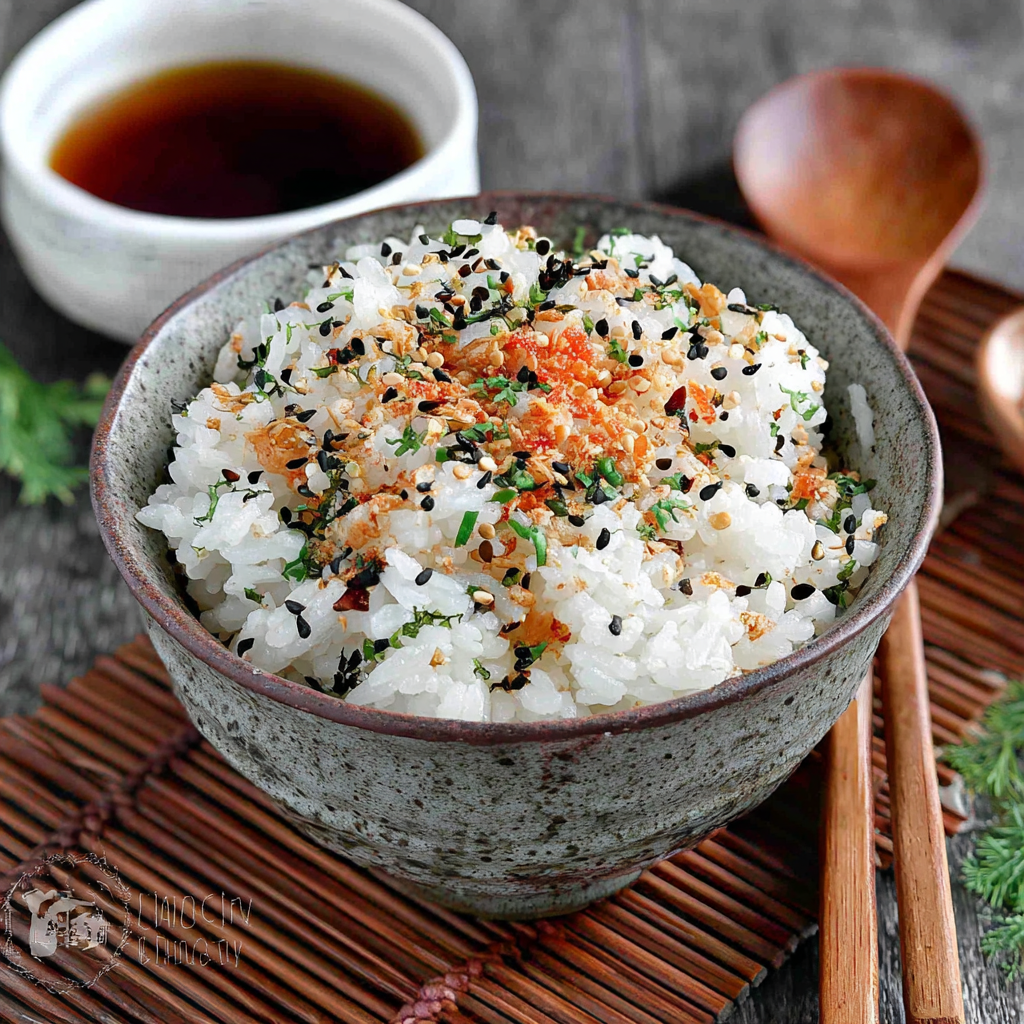
Japanese white rice is not just a staple; it embodies the spirit of Japanese cuisine and culture. Renowned for its sticky, tender texture and subtly sweet flavor, it forms the base for countless meals across Japan.
Often served alongside various dishes, this rice is integral to many traditional recipes. Understanding how to prepare this cherished grain can elevate your culinary skills and enhance your home-cooked meals.
Ingredients
- 2 cups short-grain Japanese rice
Short-grain rice varieties, such as Japonica, contain more starch than long-grain types, contributing to their sticky texture. This characteristic makes them ideal for sushi and other traditional Japanese dishes. - 2 1/2 cups water
Water is essential for cooking rice, allowing the grains to absorb moisture and swell. The right water-to-rice ratio ensures the perfect cook, yielding tender rice without excess moisture. - 1/2 teaspoon salt
Adding salt enhances the taste of the rice and rounds out its flavor profile. It is a simple ingredient that can significantly impact overall enjoyment.
Directions & Preparation
Step 1: Rinse the rice thoroughly until water runs clear.
Rinsing the rice is a crucial first step to remove excess surface starch, which can lead to overly sticky rice. This process not only helps achieve the desired texture but also ensures cleaner flavors. You should rinse until the water appears clear, indicating that most of the starch has been washed away.
Step 2: Soak the rinsed rice in water for 30 minutes.
Soaking allows the grains to absorb some water before cooking, which helps them cook evenly and improves the final texture. This step is particularly important for short-grain rice, as it enhances the fluffiness while maintaining the sticky quality.
Step 3: Drain and place the soaked rice in a rice cooker or pot.
Draining any excess soaking water is important to prevent washing away the flavor. If using a rice cooker, follow the manufacturer's instructions. For stovetop cooking, transferring the rice to a pot allows for better control over the cooking process.
Step 4: Add water and salt to the pot.
Incorporating the right amount of water and salt sets the stage for evenly cooked rice. The salt dissolves and will flavor the grains, resulting in well-seasoned rice ready to complement a variety of dishes.
Step 5: Cook the rice on low heat with a tight lid for 18-20 minutes.
Cooking on low heat ensures that the rice simmers gently, allowing for proper hydration without burning. The lid traps steam, which cooks the rice from all sides. Timing is crucial, as overcooking can lead to mushiness.
Step 6: Remove from heat and let it steam for an additional 10 minutes.
Allowing the rice to sit off the heat with the lid on allows residual steam to finish the cooking process, promoting a light and fluffy texture. This resting phase is essential, as it redistributes moisture throughout the rice.
Step 7: Fluff the rice gently with a wooden spoon or rice paddle.
Fluffing the rice at the end helps separate the grains and releases excess steam. Using a wooden spoon or rice paddle is preferred, as metal utensils can crush the grains and alter the desired texture.

Balancing Flavors in Rice Preparation
The interplay of water, salt, and rice is pivotal in creating the ideal flavor profile. Adjusting the salt according to personal preference can enhance the overall dish, providing a subtle backdrop for savory accompaniments.
Understanding Rice Varietals
Different rice assortments yield varied textures and flavors, crucial when deciding suitability for certain dishes. Short-grain rice is celebrated in Japanese cuisine for its sticky consistency and ability to hold together, unlike other types that remain fluffy and separated.
Serving Suggestions for Elevated Meals
While simple steamed rice is delightful, adding toppings can transform it into a standout dish. Consider garnishing with sesame seeds, nori (seaweed), or even pickled vegetables to create a more complex and enticing presentation.
FAQs
What if my rice comes out too sticky?
If the rice has become overly sticky, it may have had too much water during cooking or was not rinsed adequately. Next time, ensure to rinse thoroughly and adjust water accordingly.
Can I use brown rice instead of white?
You can use brown rice, but cooking times and water ratios will differ due to its higher fiber content. This will yield a nuttier flavor and chewier texture.
What should I do if my rice is bland?
If the rice lacks flavor, consider adding more salt during the cooking process or infusing it with ingredients like dashi broth for a richer taste.
How can I prevent overcooking my rice?
Using a timer and keeping an eye on the heat level is crucial to prevent overcooking. If using the stovetop, maintain low heat and avoid lifting the lid too soon.
What can I do with leftover rice?
Leftover rice can be transformed into various dishes, such as stir-fries, rice balls, or soups, maximizing its use and minimizing waste.
Why did my rice cook unevenly?
Uneven cooking can likely result from improper soaking or water measurement. Ensuring an even distribution and proper soaking can help mitigate this issue.
Conclusion
Mastering Japanese white rice opens up a world of culinary possibilities. Its versatility pairs beautifully with various dishes while delivering authenticity to your table.
With the insights provided in this article, you can confidently prepare this essential grain, enriching your meals and expanding your horizons as a home cook.
Recipe Card
Discovering the Essence of Japanese White Rice
Ingredients
- 2 cups short-grain Japanese rice
- 2 1/2 cups water
- 1/2 teaspoon salt
Instructions
- Rinse the rice thoroughly until water runs clear.
- Soak the rinsed rice in water for 30 minutes.
- Drain and place the soaked rice in a rice cooker or pot.
- Add water and salt to the pot.
- Cook the rice on low heat with a tight lid for 18-20 minutes.
- Remove from heat and let it steam for an additional 10 minutes.
- Fluff the rice gently with a wooden spoon or rice paddle.
Notes
Additional serving suggestions: pair with a crisp salad, garlic bread, or roasted seasonal vegetables for balance.
For make-ahead, prep components separately and assemble just before heating to preserve texture.
Taste and adjust with acid (lemon/vinegar) and salt right at the end to wake up flavors.