Introduction
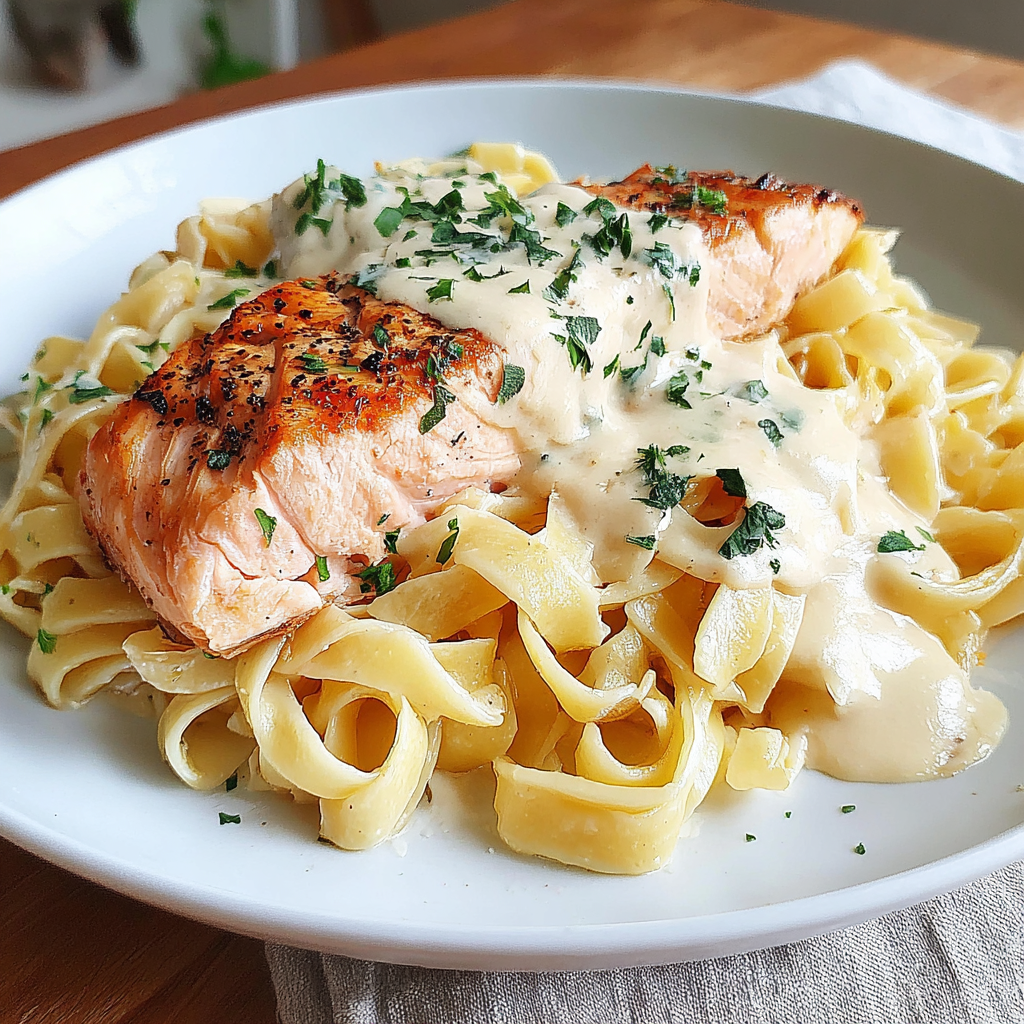
There's something incredibly comforting about a bowl of creamy salmon pasta. This dish brings together the richness of cream, the heartiness of salmon, and the perfect pasta to create a symphony of flavors that’s hard to resist. It’s not just a meal; it’s an experience that elevates weeknight dinners into something special.
The beauty of creamy salmon pasta lies in its simplicity. With a handful of fresh ingredients, you can whip up a meal that feels indulgent without demanding hours in the kitchen. Whether you’re cooking for family or friends, this dish is bound to impress without overwhelming your culinary skills.
Ingredients
- 8 oz fettuccine
Fettuccine is ideal for creamy dishes due to its flat, wide shape, which holds sauces beautifully. This texture allows for a satisfying mouthfeel that complements the richness of the cream sauce. - 12 oz salmon fillet
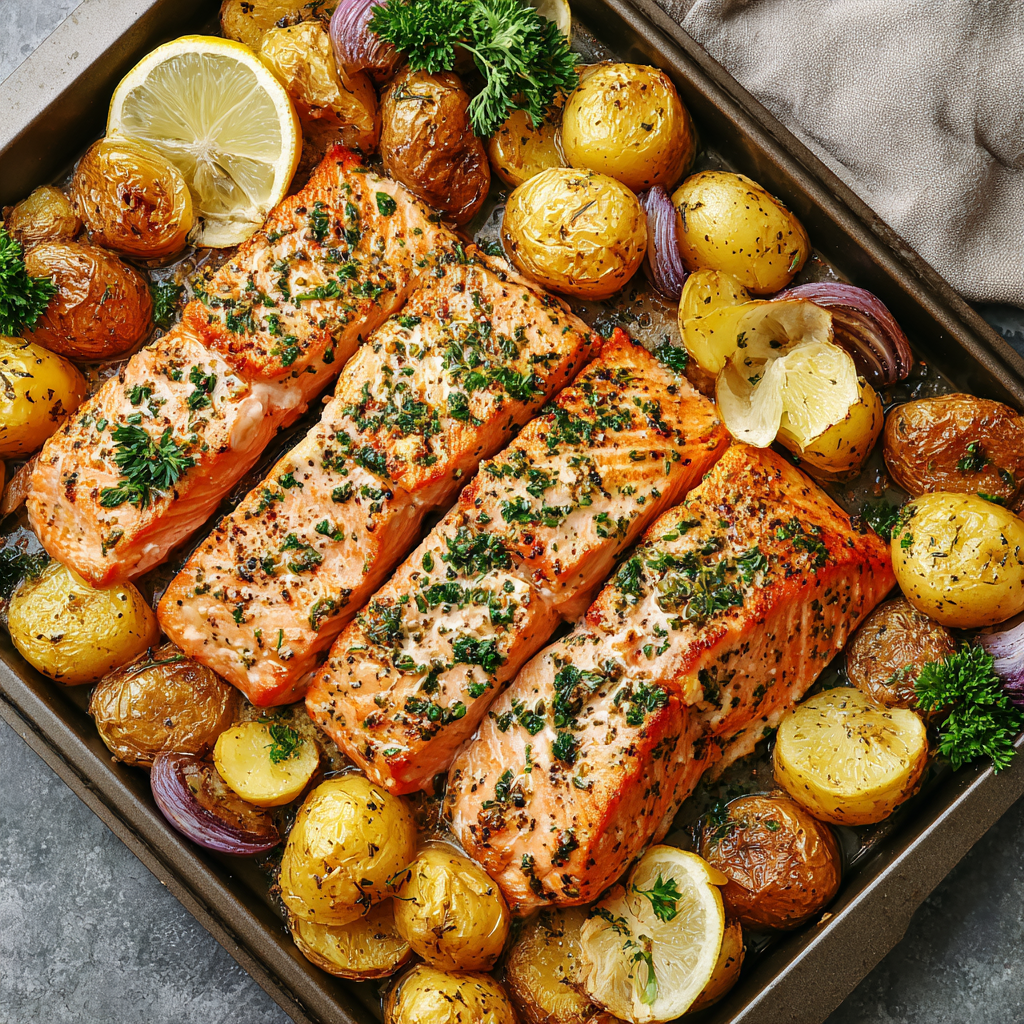
Salmon brings a delicate, buttery flavor that pairs wonderfully with cream. Rich in omega-3 fatty acids, it contributes not only a savory taste but also nutritional benefits to this dish. - 1 cup heavy cream
Heavy cream is key to achieving that luscious, velvety sauce. It adds a rich texture and helps to balance the flavors of the salmon, making every bite delightful. - 1 teaspoon garlic, minced
Garlic provides depth and aroma, elevating the overall flavor profile of the creamy sauce. Its pungent yet mellow taste enhances the cream and complements the salmon. - 1 tablespoon lemon juice
Lemon juice brightens the dish, cutting through the richness of the cream and salmon. Its acidity brings balance to the overall flavor, making the meal feel lighter on the palate. - Salt and pepper, to taste
Seasoning is crucial for enhancing the flavors of the dish. Salt brings out the natural taste of the salmon and other ingredients, while pepper adds a pleasant kick that rounds out the experience. - Fresh dill, for garnish
Dill adds a fresh, herbaceous note that complements the salmon while providing a touch of color. Garnishing with dill not only enhances presentation but also adds layers of flavor.
Directions & Preparation
Step 1: Cook the fettuccine according to package instructions.
Cooking the pasta first ensures that it’s al dente, providing the right texture. Reserve a cup of pasta water before draining; this starchy liquid can help adjust the consistency of your sauce later if needed.
Step 2: While the pasta cooks, season the salmon with salt and pepper.
Seasoning the salmon well is essential for maximizing flavor. Meeting the boldness of the cream and the delicate pasta is key, ensuring that each bite is well-rounded and satisfying.
Step 3: In a skillet over medium-high heat, add olive oil and sear the salmon for about 4-5 minutes on each side.
Searing the salmon not only cooks it perfectly but also creates a crispy exterior, enhancing the texture. Cook until it flakes easily with a fork, signaling it’s done.
Step 4: Remove the salmon from the skillet and let it rest before flaking it into bite-sized pieces.
Allowing the salmon to rest prevents it from becoming dry. Flaking it into pieces afterward makes it easier to incorporate into the pasta and ensures it’s evenly distributed.
Step 5: In the same skillet, add minced garlic and sauté for about a minute.
Sautéing the garlic in the residual oil from the salmon infuses the flavors and creates a tantalizing aroma. Be cautious not to burn the garlic, as it can become bitter.
Step 6: Pour in the heavy cream and lemon juice, stirring well to combine.
Combining heavy cream and lemon juice creates a creamy, tangy sauce that enhances the dish. Cooking the mixture gives it time to thicken, enveloping the pasta and salmon for a cohesive flavor.
Step 7: Add the cooked fettuccine and flaked salmon to the skillet, tossing to coat evenly.
Tossing everything together ensures the pasta is well-coated with the sauce, allowing the flavors to meld beautifully. Use tongs for an easier mix, which prevents the pasta from breaking.
Step 8: Adjust seasoning with salt and pepper, and add reserved pasta water if the sauce is too thick.
Tasting and adjusting seasoning is crucial to achieve the desired flavor balance. Adding pasta water can help lighten a too-thick sauce, giving it a silky consistency.
Step 9: Garnish with fresh dill before serving.
Garnishing with dill not only enhances the plate's visual appeal but also adds freshness. It’s a quick touch that makes the dish inviting and flavorful.

Choosing the Right Salmon
Selecting the right type of salmon can elevate your dish significantly. Opt for fresh fillets if possible, as they offer superior flavor and texture. Wild-caught salmon tends to have a richer taste compared to farmed varieties. However, if using frozen salmon, ensure it's of high quality and properly thawed before cooking to maintain its flavor integrity.
Incorporating Vegetables for Extra Flavor
Adding vegetables like spinach or broccoli can enhance both the nutritional profile and flavor of your creamy salmon pasta. Simply sauté them alongside the garlic for a burst of freshness. The vegetables not only provide color but also a satisfying crunch that balances the creaminess of the sauce.
Using Different Types of Pasta
While fettuccine is a classic choice, feel free to experiment with other pasta shapes. Penne or rigatoni can capture the creamy sauce beautifully, adding to the overall eating experience. Each pasta shape has its own unique texture and can change the dish subtly, inviting variety into your mealtime.
FAQs
What if my sauce is too thick?
If your sauce becomes too thick, gradually add reserved pasta water to achieve your desired consistency. Stir well after each addition to see the texture change.
How can I customize the herbs in this dish?
Feel free to experiment with herbs like parsley or chives if dill isn't your preference. Each herb offers a unique flavor that can beautifully alter the finished dish.
Is there a way to make this dish spicier?
For a spicy kick, consider adding red pepper flakes when sautéing the garlic, or mix in diced jalapeños for a fresh heat that compliments the creaminess.
What can I pair with creamy salmon pasta for a complete meal?
A light, crisp salad with a vinaigrette can refresh your palate and contrast the creaminess of the pasta. Garlic bread is also a perfect accompaniment to soak up any extra sauce.
Can I use other types of fish instead of salmon?
Yes, trout or tilapia can be good substitutes for salmon. Adjust cooking times as needed, since different fish have varying cooking requirements.
What should I do if my pasta is overcooked?
If your pasta is overcooked and too soft, serve it promptly with the sauce to mask the texture. Consider using less cooking time next time to achieve a firmer bite.
Conclusion
Creamy salmon pasta is a wonderful dish that balances flavor, nutrition, and simplicity. Its rich cream and tender salmon create a memorable meal that can easily be part of your weeknight rotation.
Whether you stick to the classic recipe or make your own variations, this dish is sure to satisfy. Gather your ingredients, and let your kitchen transform into a comforting haven with every delightful bite.
Recipe Card
Deliciously Creamy Salmon Pasta to Savor
Ingredients
- 8 oz fettuccine
- 12 oz salmon fillet
- 1 cup heavy cream
- 1 teaspoon garlic minced
- 1 tablespoon lemon juice
- Salt and pepper to taste
- Fresh dill for garnish
Instructions
- Cook the fettuccine according to package instructions.
- While the pasta cooks, season the salmon with salt and pepper.
- In a skillet over medium-high heat, add olive oil and sear the salmon for about 4-5 minutes on each side.
- Remove the salmon from the skillet and let it rest before flaking it into bite-sized pieces.
- In the same skillet, add minced garlic and sauté for about a minute.
- Pour in the heavy cream and lemon juice, stirring well to combine.
- Add the cooked fettuccine and flaked salmon to the skillet, tossing to coat evenly.
- Adjust seasoning with salt and pepper, and add reserved pasta water if the sauce is too thick.
- Garnish with fresh dill before serving.
Notes
Additional serving suggestions: pair with a crisp salad, garlic bread, or roasted seasonal vegetables for balance.
For make-ahead, prep components separately and assemble just before heating to preserve texture.
Taste and adjust with acid (lemon/vinegar) and salt right at the end to wake up flavors.