Introduction
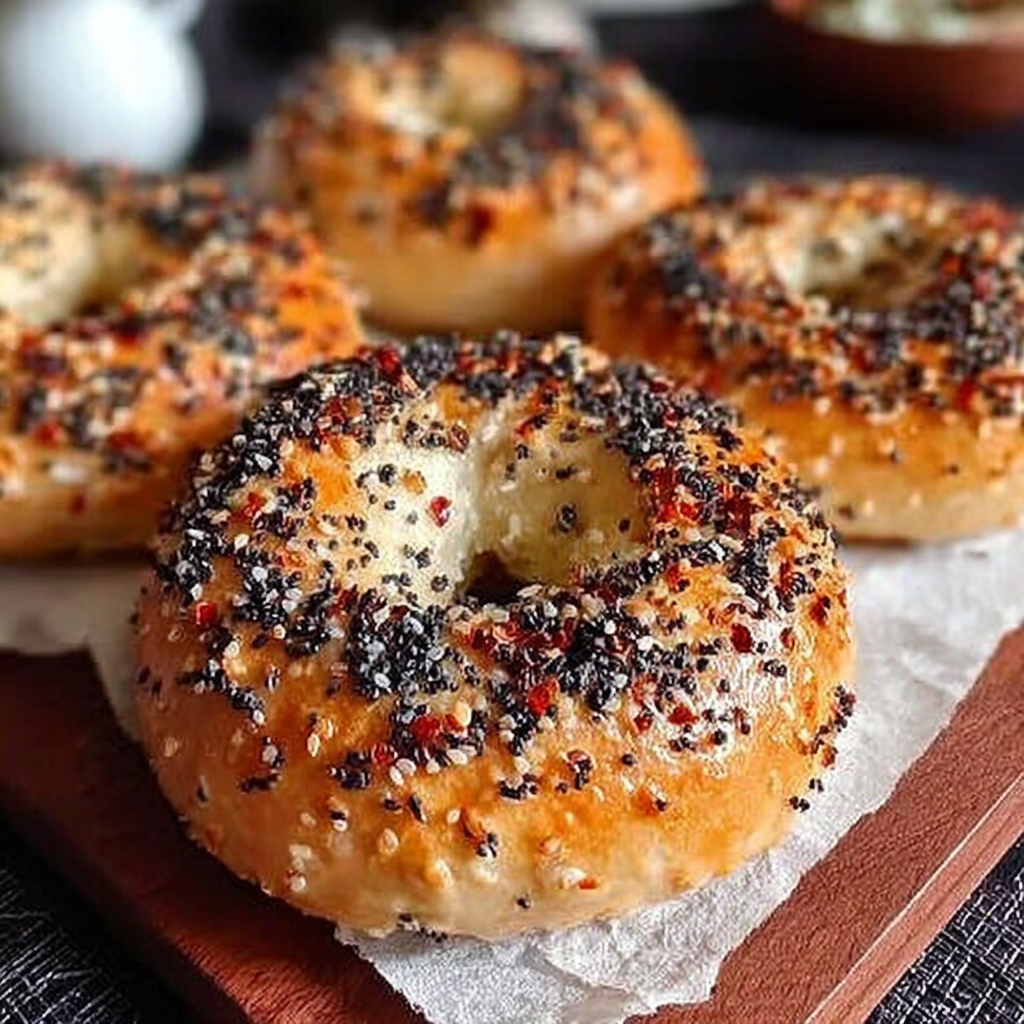
New York style bagels are a beloved staple, celebrated for their chewy texture and glossy exterior. Originating in the Jewish communities of New York City, these bagels stand apart from their counterparts with a distinctive boiling process before baking.
While many have tried to replicate this iconic bread, nothing quite compares to the satisfaction of making them from scratch in your own kitchen. This recipe unlocks the secrets to creating delicious bagels that you can enjoy fresh and warm.
Ingredients
- 4 cups bread flour
Bread flour has a higher protein content than all-purpose flour, which helps develop gluten. This is crucial for achieving the chewy texture that New York style bagels are known for. - 1 tablespoon salt
Salt enhances the flavor of the bagels and regulates yeast activity. It plays a crucial role in strengthening the dough structure, which leads to a well-defined crust and chewy center. - 1 tablespoon sugar
Sugar not only adds a hint of sweetness but boosts yeast activity during fermentation. This ingredient contributes to browning during baking, resulting in a golden crust. - 2 teaspoons active dry yeast
Yeast is the leavening agent that makes the bagels rise. Active dry yeast offers a reliable fermentation process, contributing to the bagel's lightness and fluffiness. - 1 ½ cups warm water
The temperature of the water is crucial for activating the yeast. Warm water helps to dissolve the yeast and sugar, starting the fermentation process effectively. - 1 tablespoon baking soda
Baking soda is added to the boiling water, which raises the pH level. This helps create the characteristic shiny crust of the bagel and enhances its flavor. - Optional: toppings (sesame seeds, poppy seeds, everything bagel seasoning)
Toppings are the final touch that adds flavor and visual appeal to your bagels. Choose your favorites to customize your bagels for breakfast or snacking.
Directions & Preparation
Step 1: Activate the yeast.
In a small bowl, combine warm water and a pinch of sugar, then sprinkle the yeast over it. Let it sit for about 5-10 minutes until it becomes frothy. This step is crucial as it confirms that the yeast is active and ready to leaven your dough.
Step 2: Mix the dry ingredients.
In a large mixing bowl, combine the bread flour, salt, and sugar. Whisk these ingredients thoroughly to ensure even distribution. This will form the base of your bagel dough, and proper mixing is essential for a uniform flavor throughout.
Step 3: Combine wet and dry ingredients.
Once the yeast is frothy, pour it into the bowl with the dry ingredients along with the remaining warm water. Mix until a shaggy dough forms. This is where all your ingredients come together, and a strong dough will be essential for the bagel's structure.
Step 4: Knead the dough.
Transfer the dough to a floured surface and knead for about 10 minutes. You want a smooth, elastic texture that springs back when poked. This develops the gluten, ensuring a chewy bagel that's not dense.
Step 5: First rise.
Place the kneaded dough in a bowl greased with oil, cover it with a damp cloth, and let it rise in a warm area for about an hour or until doubled in size. This fermentation stage is crucial for flavor development and volume.
Step 6: Divide and shape the bagels.
Punch down the risen dough and divide it into 8 equal pieces. Shape each piece into a round ball, then use your finger to poke a hole in the center, gently stretching it into a bagel shape. Proper shaping helps ensure the bagels maintain their form during boiling.
Step 7: Prepare for boiling.
Fill a large pot with water and bring it to a boil, then add baking soda. This step is essential for developing the bagels' unique crust. The alkaline water helps achieve that shiny finish that distinguishes New York style bagels.
Step 8: Boil the bagels.
Carefully drop a few bagels into the boiling water, boiling for about 1-2 minutes on each side. This process gelatinizes the starches on the surface, creating a chewy outer crust while keeping the inside soft and airy.
Step 9: Preheat the oven and prepare a baking sheet.
While boiling, preheat your oven to 425°F (220°C) and line a baking sheet with parchment paper. The high temperature is vital for achieving a good rise and perfect crust. Having everything ready ensures a smooth transition from boiling to baking.
Step 10: Remove and bake the bagels.
Remove the bagels from the water, allowing excess to drip off. Place them on the baking sheet, adding any desired toppings before baking. This high-heat cooking creates that noteworthy crust and heightens flavor.
Step 11: Cool before serving.
After baking for about 20-25 minutes, remove the bagels and allow them to cool on a wire rack. Cooling helps firm up the structure, making them easier to slice and enjoy. This final step enhances enjoyment as it allows the bagels to rest.

Understanding the Boiling Process
Boiling bagels is a defining characteristic that differentiates them from regular bread. This step gelatinizes the outer layer of dough, resulting in a chewy texture and a distinct shiny crust. The addition of baking soda to the boiling water increases the pH, further developing the bagels’ flavor and surface characteristics, making them a true New York classic.
The Art of Dough Kneading
Kneading may seem straightforward, but it's vital for gluten development, which gives bagels their signature chewiness. Proper kneading transforms a sticky mixture into a pliable dough, allowing air pockets to form during fermentation. Remember to knead until the dough is smooth and elastic; this is key to achieving the perfect New York style bagel.
Customizing Your Bagels
One of the joys of making bagels is the opportunity for customization. From adding herbs to the dough to sprinkling on toppings before baking, the options are endless. Experiment with different seeds or spices to create unique flavors that reflect your personal taste or dietary preferences.
FAQs
What if my bagels turned out too dense?
If your bagels are dense, it's likely that the dough was not kneaded enough or the yeast was not active. Ensure proper kneading to develop gluten, and always check the yeast's freshness before use.
Can I double the recipe for more bagels?
Yes, you can easily double the recipe to make more bagels. Just ensure you have enough space for the dough to rise and sufficient boiling water.
Why are my bagels bland?
If your bagels lack flavor, consider increasing the salt slightly or incorporating herbs into the dough. Toppings also enhance flavor, so feel free to get creative with them.
My bagels didn't rise much; what went wrong?
Poor rising can result from using old yeast or water that was too hot or cold, which can kill yeast. Always check the yeast's expiration date and maintain the appropriate water temperature.
How can I tell when my bagels are done baking?
Bagels are done when they turn a rich, golden brown color on the outside. Additionally, tapping the bottom should produce a hollow sound, indicating they're well-baked.
Is it necessary to add toppings before baking?
While toppings are optional, they add a delightful crunch and flavor. If desired, add them just after boiling while the surface is still wet for better adhesion.
Conclusion
Making New York style bagels at home is not just about the end product; it's an enjoyable journey of flavors and textures. With practice and patience, you can master this art and impress family and friends with your skills.
Enjoy your homemade bagels fresh out of the oven, perhaps with a spread of cream cheese or your favorite toppings. This recipe opens up an exciting world of baking that will keep you coming back for more.
Recipe Card
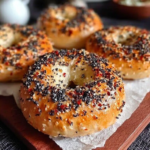
Crafting Authentic New York Style Bagels at Home
Ingredients
- 4 cups bread flour
- 1 tablespoon salt
- 1 tablespoon sugar
- 2 teaspoons active dry yeast
- 1 ½ cups warm water
- 1 tablespoon baking soda
- Optional: toppings sesame seeds, poppy seeds, everything bagel seasoning
Instructions
- Activate the yeast.
- Mix the dry ingredients.
- Combine wet and dry ingredients.
- Knead the dough.
- First rise.
- Divide and shape the bagels.
- Prepare for boiling.
- Boil the bagels.
- Preheat the oven and prepare a baking sheet.
- Remove and bake the bagels.
- Cool before serving.
Notes
Additional serving suggestions: pair with a crisp salad, garlic bread, or roasted seasonal vegetables for balance.
For make-ahead, prep components separately and assemble just before heating to preserve texture.
Taste and adjust with acid (lemon/vinegar) and salt right at the end to wake up flavors.