Introduction
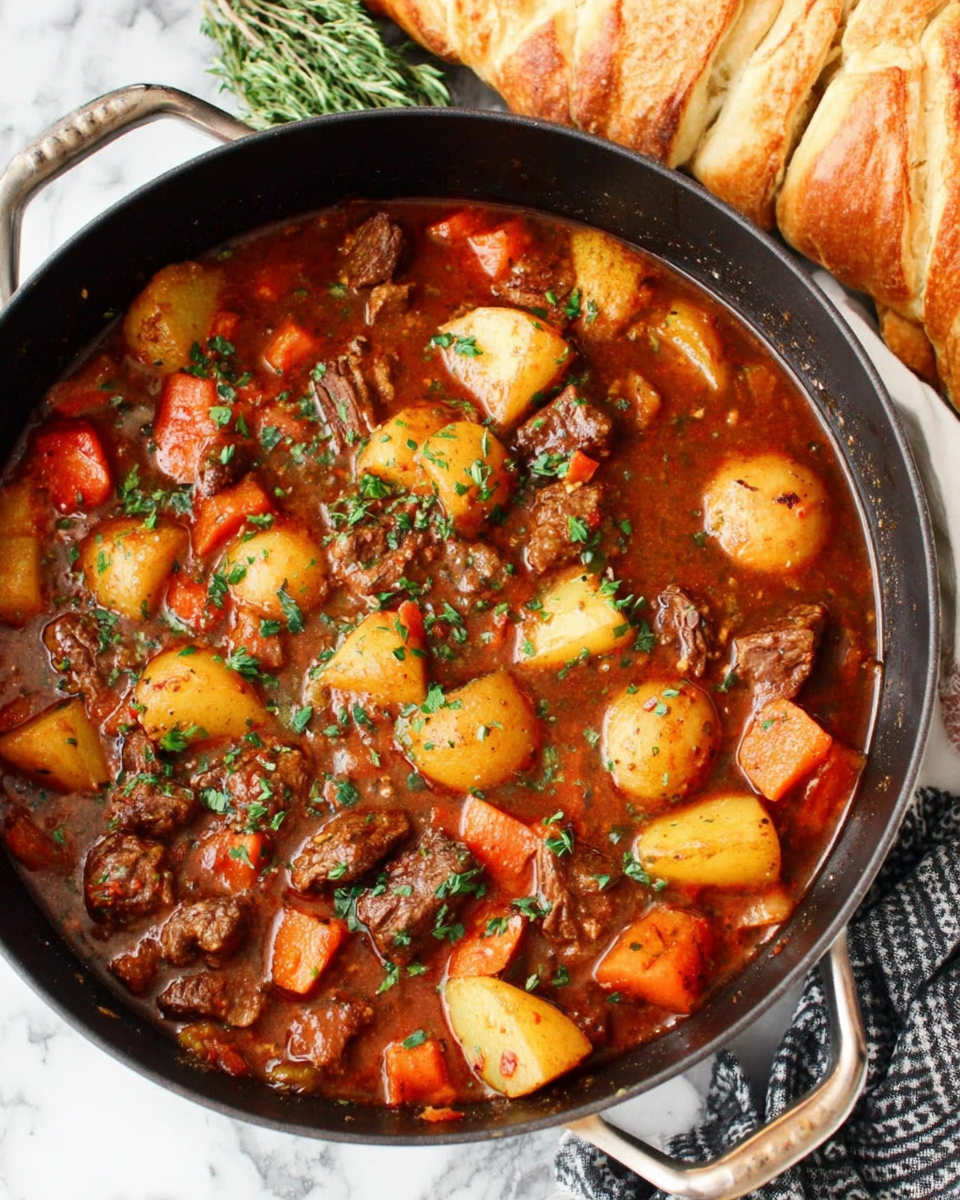
When the chill of winter sets in, there's nothing quite like a warm bowl of beef stew to bring comfort and joy to your table. Rich in flavor and hearty in texture, a good beef stew not only nourishes the body but also warms the soul. Perfect for sharing with family and friends, this dish offers a delightful way to bond over food during the colder months.
With tender pieces of beef, an array of colorful vegetables, and a flavorful broth, beef stew is a timeless classic that's easy to make at home. This dish is remarkably forgiving, allowing you to incorporate your choice of vegetables or even adjust the seasonings to suit your palate. Let’s dive into crafting a memorable beef stew that will surely become a favorite.
Ingredients
- 2 lbs beef chuck, cut into 1 1/2-inch cubes
Beef chuck is ideal for stew because it becomes tender and flavorful after slow cooking. Its marbling ensures a rich taste that enhances the broth. - 4 cups beef broth
The beef broth serves as the foundation for the stew, providing depth and rich flavor. Opt for low-sodium broth to control the saltiness. - 2 tablespoons olive oil
Olive oil is used for browning the beef, which creates a caramelized effect that adds layers of flavor. It also helps to prevent sticking in the pot. - 1 onion, chopped
Onions add a savory sweetness and complexity to the stew, providing a flavor base that enhances all other ingredients. - 3 carrots, sliced
Carrots contribute sweetness and color, as they soften and release their sugars during the cooking process, balancing the beef's richness. - 3 potatoes, peeled and cubed
Potatoes absorb the flavors of the stew and add heartiness, making the dish more filling and satisfying. - 2 cloves garlic, minced
Garlic infuses the stew with an aromatic, savory flavor, enhancing the overall taste profile and depth of the dish. - 1 teaspoon dried thyme
Thyme lends an earthy herbaceous flavor that complements the meat and vegetables, contributing to the stew’s fragrant bouquet. - 2 bay leaves
Bay leaves add subtle bitterness and depth, enhancing the complexity of flavors in the simmering stew. - Salt and pepper, to taste
Seasoning is crucial; salt brings out the natural flavors, while pepper adds a touch of heat, making the stew well-balanced.
Directions & Preparation
Step 1: Heat olive oil in a large pot over medium-high heat.
This initial step is vital for building flavor. Heating the oil prepares the pot for browning the beef, which caramelizes the meat and creates a depth of flavor. Be sure the oil is hot enough before adding the beef—look for a shimmering surface to ensure a good sear.
Step 2: Brown the beef in batches, ensuring it doesn't overcrowd the pot.
Browning the beef in batches prevents steaming and allows for that important Maillard reaction, which develops rich flavors. Take your time, as this step is foundational. The more color on the beef, the more depth you will achieve in the finished stew.
Step 3: Remove the browned beef and set aside. Add onions to the pot.
After browning the beef, adding onions helps to deglaze the pot, lifting the flavorful browned bits stuck at the bottom. Sauté until the onions are translucent; this will form the aromatic base of the stew.
Step 4: Add garlic and cook for an additional minute.
Garlic cooks quickly and can burn if added too soon. By incorporating it after the onions, you allow it to release its aromatic qualities without risking bitterness. This step enhances the stew's flavor with its distinctive essence.
Step 5: Stir in carrots and potatoes, coating them with the oil.
Sautéing the vegetables briefly allows them to absorb some of the fat and flavors. This also helps to brighten their textures and flavors, creating a well-rounded dish. Remember to keep stirring to ensure even cooking.
Step 6: Return the beef to the pot and add broth, thyme, bay leaves, salt, and pepper.
Combining all ingredients allows the flavors to meld during cooking. The broth serves as the stew’s soul, providing moisture and warmth. Bring it to a simmer, but don’t rush; a slow cook yields the best results.
Step 7: Bring to a gentle simmer and cover the pot.
Covering the pot retains moisture, allowing the ingredients to cook evenly and preventing excessive evaporation. A gentle simmer is key; it ensures that the beef becomes tender without toughening up. Aim for low heat to maintain the temperature.
Step 8: Cook for 2 to 3 hours, stirring occasionally.
Patience is essential in cooking stew. Stirring occasionally prevents sticking and ensures even cooking. The longer you simmer, the more tender the meat becomes, yielding a melt-in-your-mouth texture that is the hallmark of a good beef stew.
Step 9: Taste and adjust seasoning before serving.
Before serving, always taste the stew. Adjusting the seasoning allows you to balance flavors to your liking. Adding a pinch of salt or a dash of pepper can elevate the dish, ensuring that each bite is as flavorful as possible.
Step 10: Remove bay leaves before serving.
Bay leaves are intended to add flavor during cooking but are not edible. Removing them is a crucial finishing touch, ensuring the stew is ready to enjoy without any unwanted elements.

Choosing the Right Cut of Beef
Selecting the proper cut of beef is crucial to achieving that melt-in-your-mouth tenderness. Chuck roast is a popular choice as it has a good balance of meat and fat. This marbling renders during cooking, resulting in a juicy flavor that enriches the stew. Avoid lean cuts; they tend to dry out during long cooking times, leading to tougher meat.
Vegetable Variations to Consider
While the classic beef stew includes carrots and potatoes, feel free to explore other vegetable options. Root vegetables like parsnips or turnips can add sweetness and dimension. Additionally, green beans or peas added towards the end of cooking can introduce freshness and color, making your stew visually appealing and nutritionally diverse.
Serving Suggestions for a Complete Meal
Pairing beef stew with hearty accompaniments elevates the dining experience. Consider serving it with crusty bread for dipping, or over a bed of buttery mashed potatoes. For a refreshing contrast, a simple green salad can lighten the meal, bringing balance to the rich flavors of the stew and ensuring a well-rounded table.
FAQs
What can I do if the stew is too thick?
If your stew is too thick, gradually stir in more beef broth or water until you reach your desired consistency. Be careful not to add too much at once, as it can dilute the flavor.
How can I enhance the stew's flavor?
To enhance the stew's flavor, consider adding a splash of red wine or Worcestershire sauce during cooking. Fresh herbs added towards the end, such as parsley, can also brighten the dish.
What if my beef is tough after cooking?
If the beef remains tough, it likely needs more time to cook. Return it to heat and simmer for another 30 minutes or until tender.
Can I scale this recipe for a larger crowd?
Absolutely, this recipe can be doubled or tripled. Just ensure you have a large enough pot to accommodate the increased volume and adjust cooking times as needed.
What if I want to add more vegetables?
Feel free to add additional vegetables such as mushrooms or bell peppers. Just be mindful of their cooking times, adding them at appropriate intervals.
How can I make the stew spicier?
If you prefer a spicy kick, consider adding a pinch of cayenne pepper or diced jalapeños when browning the meat. Adjust the amount according to your heat tolerance.
Conclusion
Beef stew is a timeless dish that brings warmth and comfort to any dinner table. By selecting quality ingredients and allowing them to meld over a long simmer, you’ll create a luscious stew that will have everyone asking for seconds.
Enjoy the process of making beef stew, knowing that each step contributes to a comforting meal. Whether shared with family on a chilly evening or enjoyed as leftovers, this recipe is sure to become a staple in your home.
Recipe Card

Pesto Shrimp Linguine That Will Impress Your Guests
Ingredients
- 8 ounces linguine
- 1 pound shrimp peeled and deveined
- 1 cup fresh basil pesto
- 2 tablespoons olive oil
- 2 cloves garlic minced
- 1/2 teaspoon red pepper flakes
- Salt and pepper to taste
- Parmesan cheese for garnish
Instructions
- Cook the linguine according to package instructions.
- While the pasta cooks, heat olive oil in a large skillet.
- Add minced garlic and red pepper flakes to the skillet.
- Add the shrimp to the skillet and cook until they are pink and opaque.
- Drain the linguine and add it to the skillet with the shrimp.
- Stir in the pesto, mixing well to combine.
- Season with salt and pepper to taste and toss to combine.
- Serve immediately, garnished with Parmesan cheese.
Notes
Additional serving suggestions: pair with a crisp salad, garlic bread, or roasted seasonal vegetables for balance.
For make-ahead, prep components separately and assemble just before heating to preserve texture.
Taste and adjust with acid (lemon/vinegar) and salt right at the end to wake up flavors.