Introduction
Finding a chocolate recipe that is both low in carbs and free from eggs can be a daunting task, especially if you’re trying to maintain a balanced diet without sacrificing flavor. Whether you’re following a keto lifestyle or just seeking lighter alternatives, these treats will satisfy any chocolate craving without the guilt.
This egg-free low-carb chocolate recipe is designed to delight your taste buds while keeping your carbohydrate intake in check. You won’t miss the eggs at all, as the rich chocolate flavor and satisfying texture take center stage. Get ready to indulge in a guilt-free chocolate experience that’s simple to prepare.
Ingredients
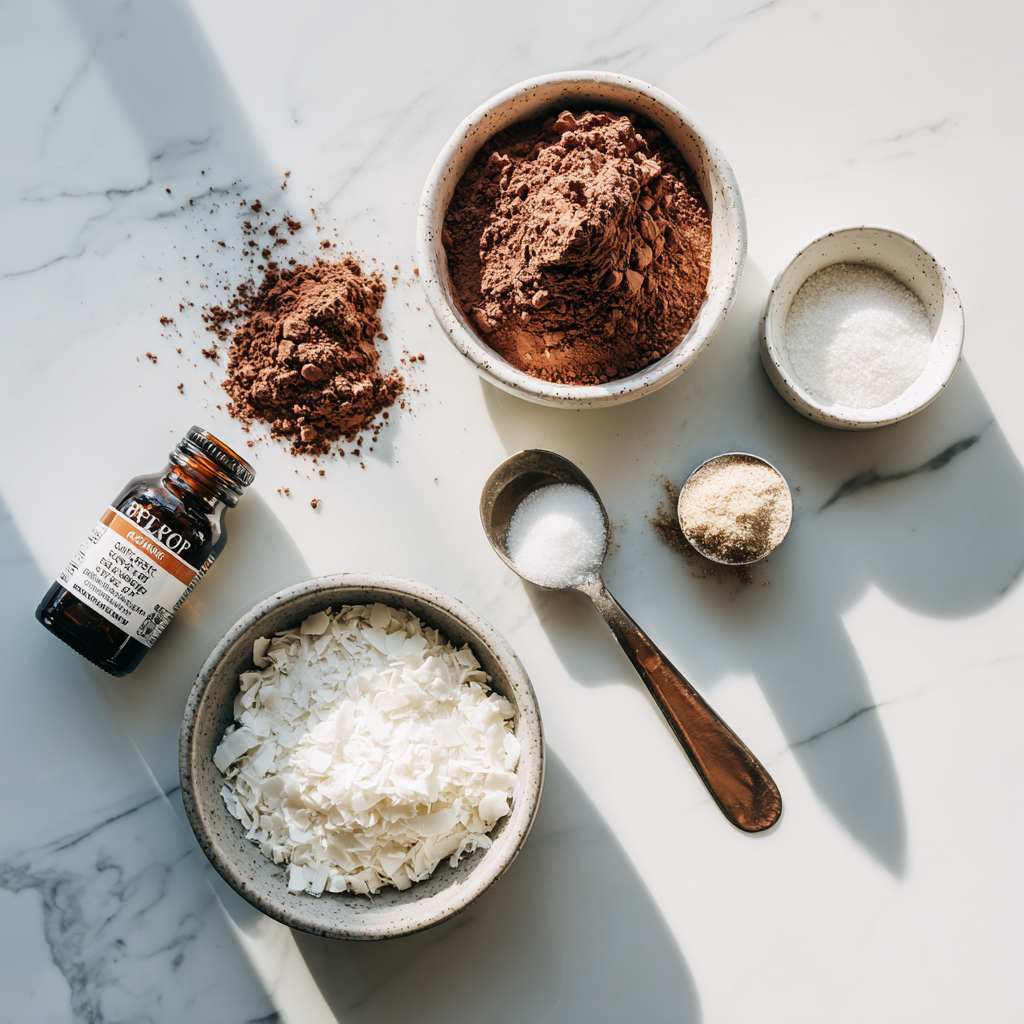
- 1 cup unsweetened cocoa powder
Cocoa powder provides the deep, rich chocolate flavor that forms the base of this recipe. Using unsweetened ensures that the end product remains low in sugars while still delivering intense cocoa taste. - 1/2 cup coconut oil
Coconut oil acts as the fat component, giving the chocolate a smooth and creamy texture while also adding a subtle coconut flavor. This healthy fat helps to solidify the chocolate once it cools. - 1/2 cup powdered erythritol
Powdered erythritol is a low-carb sweetener that doesn’t spike blood sugar levels. It mimics sugar’s sweetness without contributing to carbs, making it an excellent choice for low-carb recipes. - 1 teaspoon vanilla extract
Vanilla extract enhances the overall flavor of the chocolate, providing a lovely aromatic depth. It helps to round out the bitterness of the cocoa powder. - 1/4 teaspoon salt
Salt is essential in this recipe; it strengthens sweet flavors and balances the chocolate’s richness, preventing it from tasting overly bitter. - Optional: 1/4 cup almond milk
Almond milk can be added to adjust the consistency of your chocolate, making it creamier. It should only be used if the mixture is too thick.
Directions & Preparation
Step 1: Melt the coconut oil in a medium saucepan over low heat.
Gently melting coconut oil ensures it retains its beneficial properties without becoming overheated. This step is crucial as it creates the base for your chocolate. Use low heat to avoid burning the oil, which can alter its flavor.
Step 2: Once melted, remove from heat and whisk in the cocoa powder and erythritol.
This step combines the wet and dry components seamlessly, preventing lumps. Whisking ensures a smooth consistency and allows the sweetener to dissolve properly, which is essential for a balanced flavor.
Step 3: Stir in the vanilla extract and salt until fully incorporated.
Adding vanilla enhances the flavor profile, while salt helps to elevate sweetness. Ensure that both are well-mixed into the chocolate, as uneven distribution can lead to pockets of bitterness.
Step 4: If the mixture is too thick, slowly add almond milk until the desired consistency is reached.
Adjusting the consistency is key to achieving your preferred texture for the finished chocolate. A thicker mixture is best for moldable treats, while a creamier consistency is ideal for drizzling or dipping.
Step 5: Pour the mixture into silicone molds or a lined baking dish.
Using silicone molds or a lined dish allows for easy removal once the chocolate has set. Make sure to spread the mixture evenly in the molds for uniform thickness and quicker setting.
Step 6: Place the molds in the refrigerator for about 30 to 60 minutes until firm.
Cooling the chocolate allows it to solidify properly, giving it a good structure. The refrigerator helps it set faster than at room temperature, so keep an eye on it to prevent over-chilling, which can change the texture.
Step 7: Once set, remove from the molds and enjoy or store in an airtight container.
Carefully demolding your chocolate is crucial to maintaining its shape. Storing it properly will keep it fresh and tasty for future indulgences, ensuring your treats retain their delightful texture.
Indulging Without Guilt: The Benefits of Low-Carb Chocolate
Low-carb chocolate offers a delectable way to enjoy your favorite sweets without compromising your dietary goals. It’s particularly beneficial for those managing blood sugar levels, as it keeps carbohydrate intake minimal while offering a satisfying chocolate experience. Enjoying low-carb treats can enhance your mental well-being too, allowing for treats without fear of dietary setbacks.
Choosing the Right Sweeteners for Your Chocolate
The choice of sweetener is crucial in low-carb baking. Powdered erythritol blends beautifully into the chocolate without leaving a gritty texture, making it an excellent choice for desserts. Its sugar-like sweetness allows you to indulge with minimal calories and carbs, while also being safe for those limiting sugar intake.
Creative Ways to Customize Your Chocolate Treats
Customization can elevate your low-carb chocolate to the next level. Consider adding nuts, seeds, or sugar-free chocolate chips to enhance texture and flavor. Spices like cinnamon or chili powder can provide fascinating depth, while extracts such as almond or peppermint can introduce a whole new taste experience.
FAQs
Can I use other sweeteners in this recipe?
While powdered erythritol works best, you can substitute with other low-carb sweeteners like monk fruit or stevia. Just ensure they are converted properly to match the sweetness.
Why did my chocolate turn out too thick?
If your mixture is too thick, it can be due to not enough coconut oil or cocoa powder being added. Adjust by mixing in small amounts of almond milk gradually until you reach the desired consistency.
What can I do if my chocolate tastes too bitter?
A common issue with unsweetened cocoa can be bitterness. If this happens, try adding a little more erythritol or a splash of vanilla extract to help balance the flavors.
How can I make this chocolate more visually appealing?
Consider adding toppings like crushed nuts or drizzle some white chocolate (if permissible) over the top for a contrast in colors. Using molds with fun shapes can also enhance the visual aspect.
Can I add flavors like mint or orange to my chocolate?
Absolutely! Adding extracts like peppermint or orange zest before pouring the mixture into molds can infuse delightful flavors that complement the chocolate perfectly.
Is it possible to make a large batch of this chocolate?
Yes, you can easily scale the recipe. Just double or triple the ingredients, ensuring you have a larger mixing bowl and sufficient molds for pouring.
Conclusion
Creating delicious egg-free low-carb chocolate is a rewarding endeavor that allows you to indulge your cravings without straying from your dietary plans. Experiment with the flavors and textures to find your perfect sweet treat.
With this simple recipe, you can enjoy the rich benefits of chocolate in a way that aligns with your health goals. Embrace your culinary creativity and share your delightful creations with friends and family, making low-carb chocolate a staple in your kitchen.
Recipe Card
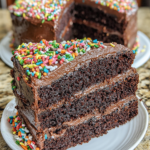
Delicious Egg-Free Low-Carb Chocolate Treats
Ingredients
- 1 cup unsweetened cocoa powder
- 1/2 cup coconut oil
- 1/2 cup powdered erythritol
- 1 teaspoon vanilla extract
- 1/4 teaspoon salt
- Optional: 1/4 cup almond milk
Instructions
- Melt the coconut oil in a medium saucepan over low heat.
- Once melted, remove from heat and whisk in the cocoa powder and erythritol.
- Stir in the vanilla extract and salt until fully incorporated.
- If the mixture is too thick, slowly add almond milk until the desired consistency is reached.
- Pour the mixture into silicone molds or a lined baking dish.
- Place the molds in the refrigerator for about 30 to 60 minutes until firm.
- Once set, remove from the molds and enjoy or store in an airtight container.
Notes
Additional serving suggestions: pair with a crisp salad, garlic bread, or roasted seasonal vegetables for balance.
For make-ahead, prep components separately and assemble just before heating to preserve texture.
Taste and adjust with acid (lemon/vinegar) and salt right at the end to wake up flavors.