Introduction
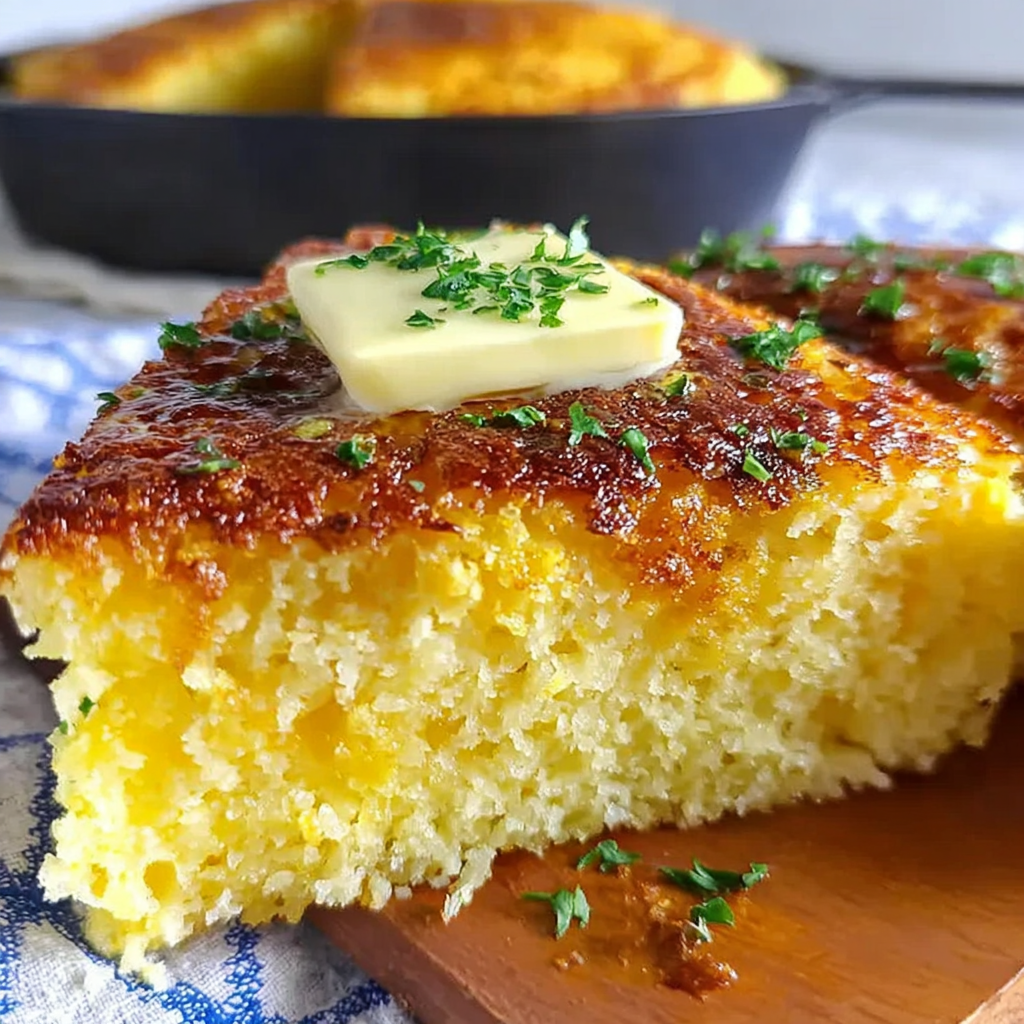
Colonial spoon bread is a delightful and comforting dish that has roots deeply embedded in American history. This unique bread combines the richness of cornmeal with the lightness of a souffle, resulting in a texture that is both creamy and fluffy. Originally served in the kitchens of early American settlers, it reflects a blend of Native American and European culinary influences.
Traditionally served as a side dish during meals, spoon bread's versatility allows it to shine alongside savory dishes or be enjoyed on its own, perhaps with a drizzle of honey or a pat of butter. Its attractive golden color and inviting aroma can bring warmth to any table, making it a wonderful addition to family gatherings or cozy dinners.
Ingredients
- 1 cup cornmeal
Cornmeal is the heart of spoon bread, providing its distinct flavor and texture. It absorbs liquids well, creating a creamy consistency upon cooking. - 2 cups milk
Milk enriches the dish, lending moisture and creaminess. It also helps to activate the cornmeal, resulting in a well-blended batter. - 2 tablespoons unsalted butter
Butter adds richness and flavor while helping to create a tender crumb. It contributes to the overall mouthfeel of the dish. - 1 teaspoon salt
Salt enhances the flavors of the other ingredients. It’s crucial for balancing the sweetness of the cornmeal. - 1 teaspoon baking powder
Baking powder is a leavening agent that helps the spoon bread rise, creating its light, fluffy texture. - 3 large eggs
Eggs provide structure and stability to the spoon bread, facilitating its rise and enriching its flavor.
Directions & Preparation
Step 1: Preheat your oven to 350°F (175°C) and prepare a baking dish.
Preheating the oven ensures that your spoon bread cooks evenly and achieves the perfect golden crust. Greasing the baking dish will prevent sticking and facilitate easy serving.
Step 2: In a saucepan, combine the cornmeal, milk, butter, and salt over medium heat.
Cooking the cornmeal in liquid helps to hydrate it, unleashing its natural sweet flavors. The butter will melt, contributing creaminess while aiding in creating a smooth mixture.
Step 3: Stir constantly until the mixture thickens, about 5 minutes.
This step is critical as it activates the starches in the cornmeal. A well-cooked cornmeal mixture prevents graininess in the final product.
Step 4: Remove from heat and allow to cool slightly before adding baking powder and eggs.
Cooling the mixture is vital to prevent cooking the eggs when they are added. This step ensures a uniform batter without scrambled egg bits.
Step 5: Beat the eggs in a separate bowl before incorporating them into the cornmeal mix.
Beating the eggs introduces air, which will help the spoon bread rise as it bakes. A well-mixed egg mixture contributes to fluffiness.
Step 6: Pour the batter into the prepared baking dish.
Evenly pouring the batter into the dish allows for uniform cooking. This ensures the spoon bread rises evenly, preventing any undercooked centers.
Step 7: Bake for 30-35 minutes or until the top is golden and a knife comes out clean.
Baking time is crucial; overbaking may lead to a dry texture, while underbaking might result in a gooey center. The golden top indicates a deliciously cooked exterior.
Step 8: Let it cool for a few minutes, then serve warm.
Allowing the spoon bread to rest slightly before serving improves its texture and makes it easier to scoop. Enjoy it warm to savor its creamy interior.

Historical Roots of Spoon Bread
Spoon bread's origins can be traced back to Native American cooking methods, where corn was a staple ingredient. Early settlers adapted this dish to incorporate European influences, leading to diverse regional variations. Over time, spoon bread became a beloved part of American culinary heritage, often served in homes across the colonies at gatherings and feasts.
Serving Suggestions and Pairings
Spoon bread's delightful flavor lends itself well to various pairings. It can complement hearty stews, fried chicken, or baked ham beautifully. Additionally, drizzling it with honey or serving alongside savory dishes like greens or beans enhances its appeal, making it a versatile side for any meal.
Modern Twists on a Classic
While the traditional recipe remains beloved, many modern cooks experiment with spoon bread by adding ingredients such as cheese, herbs, or spices. These variations can elevate the dish, introducing new flavor profiles and textures. Exploring these adaptations can make the experience of spoon bread even more enjoyable and personalized.
FAQs
What can I do if my spoon bread turns out too thick?
If your spoon bread is too thick, consider adding a bit more milk to the batter before baking. This will help create a lighter texture.
My spoon bread ended up bland; how can I enhance its flavor?
To enhance flavor, consider increasing the salt or adding spices such as black pepper or herbs like chives. Cheeses can also introduce a delightful savory component.
Can I use a different type of milk in this recipe?
Yes, you can substitute any type of milk, including almond or oat milk, but this may slightly alter the flavor and texture.
What kind of baking dish is best for this recipe?
A glass or ceramic baking dish works well, as they retain heat effectively, creating a nice crust while helping the interior cook evenly.
Can I make mini spoon breads instead of one large dish?
Absolutely! Adjust the baking time to about 20-25 minutes for mini versions; check for doneness with a toothpick.
Why did my spoon bread not rise?
Insufficient mixing of the egg or cornmeal mixture can lead to a lack of rise; ensure that the batter is well combined to allow for proper aeration and leavening.
Conclusion
Creating colonial spoon bread at home not only connects you to a time-honored tradition but also allows for countless enjoyable variations. As you serve it, whether as a side dish or a standalone treat, its comforting nature is bound to impress your friends and family.
By experimenting with flavors, this historical dish can be adapted to fit modern tastes and preferences. So gather your ingredients, spread some warmth, and let the delightful aroma of spoon bread fill your kitchen.
Recipe Card
Exploring the Richness of Colonial Spoon Bread
Ingredients
- 1 cup cornmeal
- 2 cups milk
- 2 tablespoons unsalted butter
- 1 teaspoon salt
- 1 teaspoon baking powder
- 3 large eggs
Instructions
- Preheat your oven to 350°F (175°C) and prepare a baking dish.
- In a saucepan, combine the cornmeal, milk, butter, and salt over medium heat.
- Stir constantly until the mixture thickens, about 5 minutes.
- Remove from heat and allow to cool slightly before adding baking powder and eggs.
- Beat the eggs in a separate bowl before incorporating them into the cornmeal mix.
- Pour the batter into the prepared baking dish.
- Bake for 30-35 minutes or until the top is golden and a knife comes out clean.
- Let it cool for a few minutes, then serve warm.
Notes
Additional serving suggestions: pair with a crisp salad, garlic bread, or roasted seasonal vegetables for balance.
For make-ahead, prep components separately and assemble just before heating to preserve texture.
Taste and adjust with acid (lemon/vinegar) and salt right at the end to wake up flavors.