Introduction
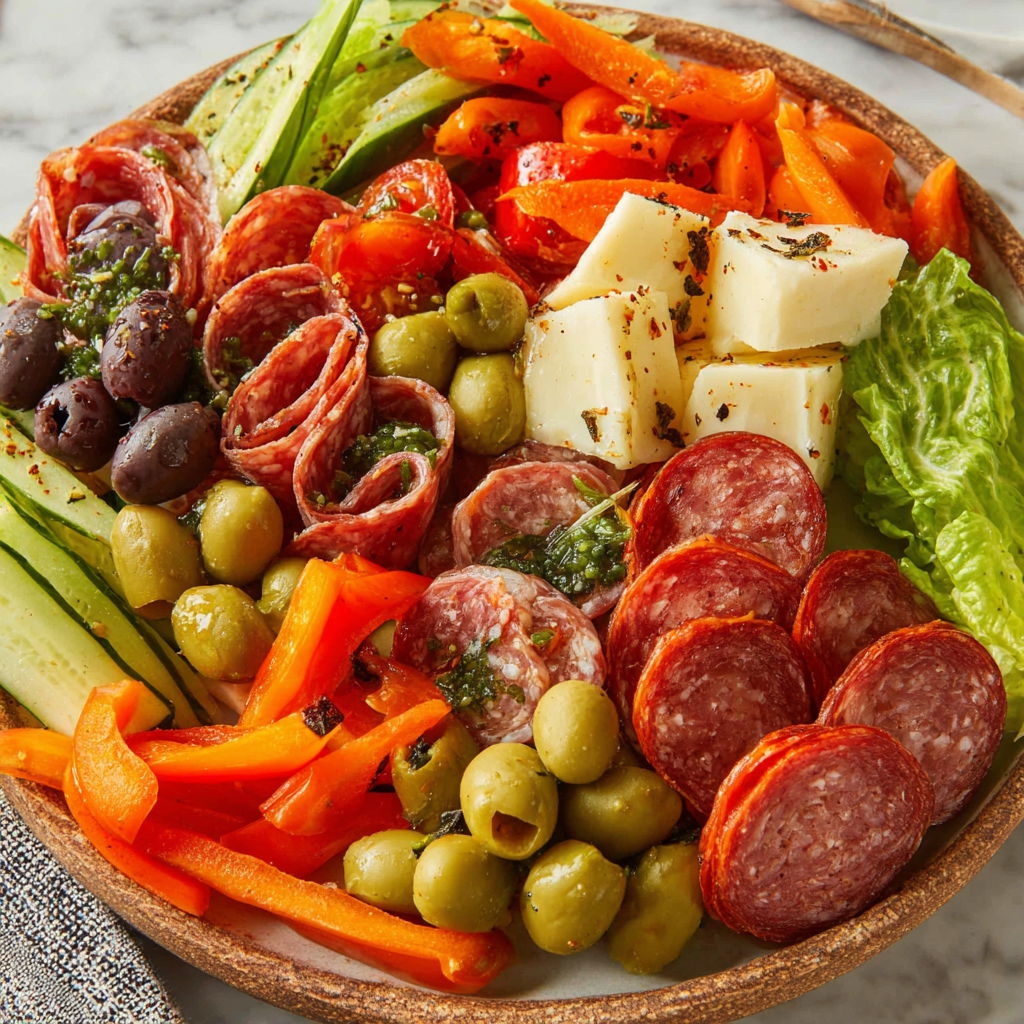
Italian marinated antipasto is not just a starter; it's a vibrant expression of Italy's rich culinary landscape. This dish showcases a delightful array of marinated vegetables, cured meats, and artisan cheeses, all bathed in a tangy dressing that elevates their natural flavors. Perfect for entertaining or as a palate-pleasing snack, antipasto offers something for everyone.
Crafting your own antipasto at home allows for endless creativity and customization. By choosing seasonal ingredients and adjusting the marinating spices, you can create a unique blend that reflects your taste preferences and the ingredients available to you. Whether serving at a dinner party or enjoying a quiet evening, homemade antipasto is sure to impress.
Ingredients
- 1 cup cherry tomatoes, halved
Cherry tomatoes add sweetness and acidity to the antipasto. Their bright color enhances the visual appeal, while their juicy texture provides a refreshing bite. - 1 cup artichoke hearts, quartered
Artichoke hearts bring a slightly tangy flavor and a tender texture that contrasts beautifully with the other ingredients. They are also packed with fiber and nutrients. - 1 cup black olives, pitted and halved
Black olives offer a salty, rich depth that rounds out the dish. Their brininess complements the sweetness of the tomatoes and the tanginess of the artichokes. - 1 cup roasted red peppers, sliced
These add a smoky, sweet flavor along with a bold red hue. Their tender texture and vibrant taste provide another layer of complexity to the antipasto. - 1 cup salami, sliced
Salami contributes a savory, spicy kick that pairs well with the vegetables. It introduces protein, making the dish more filling and satisfying. - 1 cup mozzarella balls (bocconcini)
The creamy freshness of mozzarella enhances the texture and provides a milky contrast to the tangy vegetables. They also add a delightful chewiness. - 1/2 cup extra virgin olive oil
Olive oil acts as the base for the marinade, infusing all ingredients with its rich flavor and promoting a lush mouthfeel. - 1/4 cup red wine vinegar
Red wine vinegar introduces acidity that balances the richness of the oil and proteins, enhancing the overall flavor profile. - 2 cloves garlic, minced
Garlic adds a pungent aroma and depth of flavor. Its presence elevates the entire dish, infusing the other ingredients with its spicy characteristics. - 1 teaspoon dried oregano
Dried oregano is a classic herb in Italian cuisine, providing a warm, earthy touch. Its flavor complements the Mediterranean vibes of the antipasto. - Salt and pepper, to taste
Seasoning is crucial for highlighting the individual flavors of each ingredient. Properly balancing salt and pepper ensures that the antipasto is deliciously seasoned.
Directions & Preparation
Step 1: Prepare the vegetables
Start by rinsing the cherry tomatoes and halving them. Quarter the artichoke hearts, and slice the roasted red peppers. Ensure everything is uniform to facilitate even marination and presentation. Fresh, high-quality ingredients work wonders for flavor.
Step 2: Combine the main ingredients
In a large mixing bowl, combine the halved cherry tomatoes, artichoke hearts, black olives, roasted red peppers, salami, and mozzarella balls. Toss lightly to ensure an even distribution of ingredients, allowing for some marinating liquid to coat everything adequately.
Step 3: Create the marinade
In a separate bowl, whisk together the extra virgin olive oil, red wine vinegar, minced garlic, dried oregano, salt, and pepper until well combined. This marinade will infuse flavors throughout the antipasto, making each bite a delicious experience.
Step 4: Pour the marinade over the ingredients
Once the marinade is ready, pour it over the combined vegetables and meats. Toss gently again, ensuring each piece is coated in the flavorful mix. This step is vital for enhancing the taste and allowing the ingredients to meld together.
Step 5: Marinate the antipasto
Cover the bowl with plastic wrap or transfer the mixture to an airtight container. Allow it to marinate in the refrigerator for at least 2 hours, or ideally overnight. This resting period is essential, as it allows the flavors to deepen and the ingredients to become more harmonious.
Step 6: Serve and enjoy
After marinating, take the antipasto out of the fridge and let it come to room temperature before serving. This enhances the flavors and textures. Serve it on a beautiful platter with toothpicks, encouraging guests to enjoy this Mediterranean delight.

Choosing the Right Ingredients for Your Antipasto
When crafting your Italian marinated antipasto, selecting high-quality ingredients is crucial. Fresh, seasonal vegetables and premium cured meats will provide the best flavors. Explore local markets for unique finds that can add a personal touch, such as artisanal cheeses or house-made sauces that resonate with your palate.
The Art of Marinating for Maximum Flavor
Marinating is an essential step in creating a flavorful antipasto. The longer the ingredients sit in the marinade, the more they absorb the flavors. By allowing them to rest in a balanced mixture of oil, vinegar, and spices, you can transform simple ingredients into a harmonious dish that bursts with taste with every bite.
Pairing Your Antipasto with the Perfect Wine
An antipasto platter is a wonderful opportunity to pair with wines that complement its diverse flavors. Consider a sharp white wine like Pinot Grigio or a light red like Chianti. Both enhance the taste of the marinated ingredients, creating a delightful culinary experience that captures the spirit of Italian dining.
FAQs
What if my antipasto is too salty?
If your antipasto turns out too salty, consider adding more fresh or marinated vegetables to dilute the saltiness. You can also balance it with a touch of sweetness, such as honey, to counteract the salt.
Can I add different meats or cheeses?
Absolutely! Feel free to experiment with various cured meats such as prosciutto or pancetta, and try different cheeses like feta or gouda for a unique flavor combination.
What's the best way to serve antipasto at a party?
Serve antipasto on a large platter, arranging the ingredients aesthetically. Providing toothpicks or small forks encourages guests to sample the diverse selections individually.
Why is my antipasto too thick?
If your antipasto is too thick, it may be due to using too much cheese or insufficient marinating liquid. You can loosen it with a bit more olive oil or vinegar to achieve a desired consistency.
Are there any suggested garnishes for the antipasto?
Fresh herbs like basil or parsley can be sprinkled on top as a garnish. This adds freshness and visual appeal to the dish.
What other vegetables can I include in my antipasto?
Feel free to add bell peppers, zucchini, or even pickled vegetables for added texture and flavor. This dish is incredibly versatile and can be adjusted to your taste.
Conclusion
Italian marinated antipasto is more than just a dish; it’s a vibrant reflection of Italy’s culinary heritage. By incorporating your favorite ingredients and allowing them to marinate, you create a flavorful experience that speaks to the heart of Italian cooking.
Whether enjoyed as an appetizer or a standalone snack, making your antipasto offers an opportunity to celebrate good food and the joy of sharing delicious meals with loved ones. Enjoy the flavors, and savor each bite!
Recipe Card
Creating Flavorful Italian Marinated Antipasto
Ingredients
- 1 cup cherry tomatoes halved
- 1 cup artichoke hearts quartered
- 1 cup black olives pitted and halved
- 1 cup roasted red peppers sliced
- 1 cup salami sliced
- 1 cup mozzarella balls bocconcini
- 1/2 cup extra virgin olive oil
- 1/4 cup red wine vinegar
- 2 cloves garlic minced
- 1 teaspoon dried oregano
- Salt and pepper to taste
Instructions
- Prepare the vegetables
- Combine the main ingredients
- Create the marinade
- Pour the marinade over the ingredients
- Marinate the antipasto
- Serve and enjoy
Notes
Additional serving suggestions: pair with a crisp salad, garlic bread, or roasted seasonal vegetables for balance.
For make-ahead, prep components separately and assemble just before heating to preserve texture.
Taste and adjust with acid (lemon/vinegar) and salt right at the end to wake up flavors.