Introduction
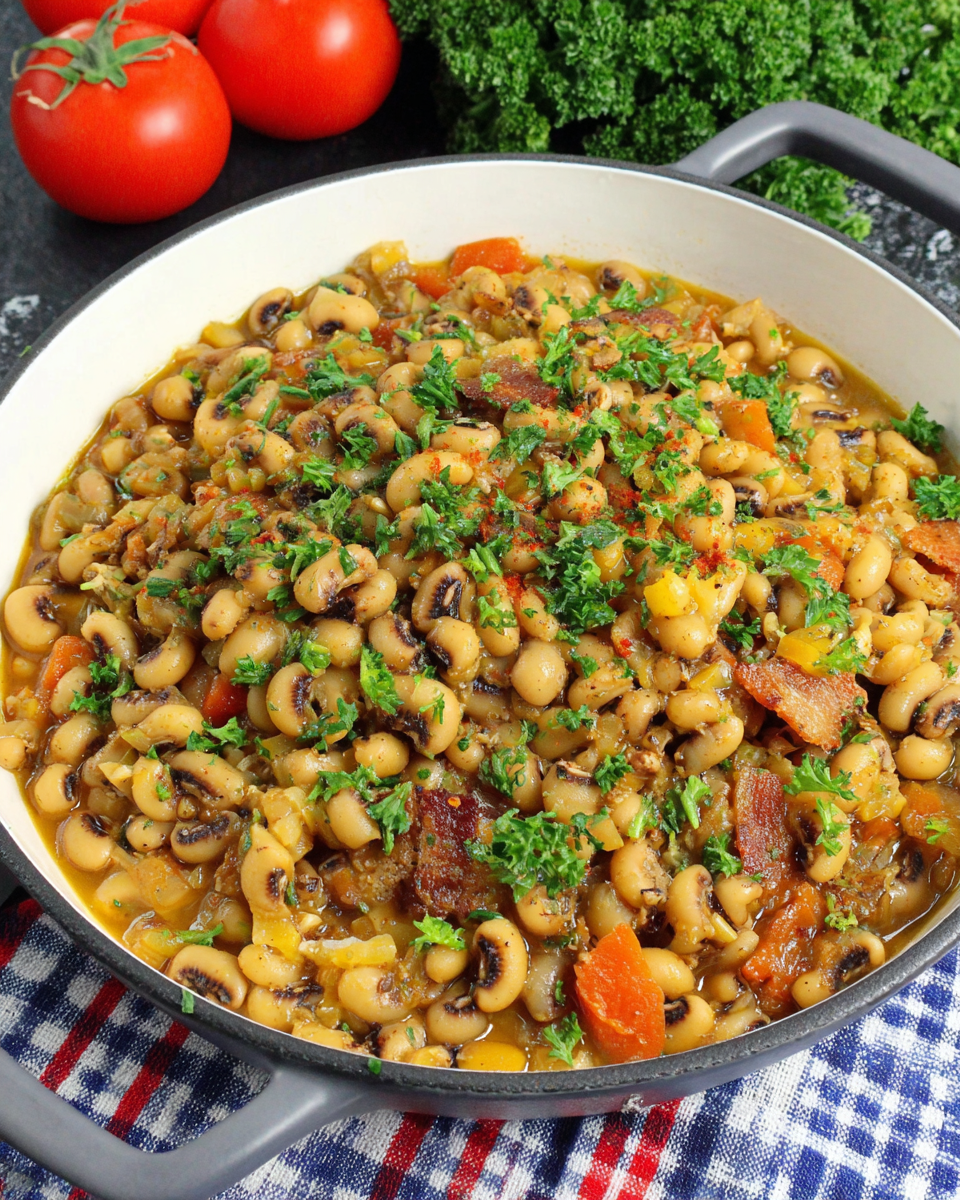
The rich tradition of Southern cooking is epitomized by dishes that celebrate the deep flavors and comforting qualities of its ingredients. Among these, Black Eyed Peas hold a special place, often seen as a staple that brings luck and prosperity, especially on New Year’s Day. However, they deserve to shine year-round, showcasing their unique earthy taste and versatility.
Prepared with a medley of spices and savory elements, Southern Black Eyed Peas are not just nutritious but incredibly flavorful. With the right ingredients and techniques, they transform from a humble legume into a standout dish that pairs beautifully with cornbread, rice, or as a hearty side. This recipe will guide you in creating a Southern feast that celebrates the essence of comfort food.
Ingredients
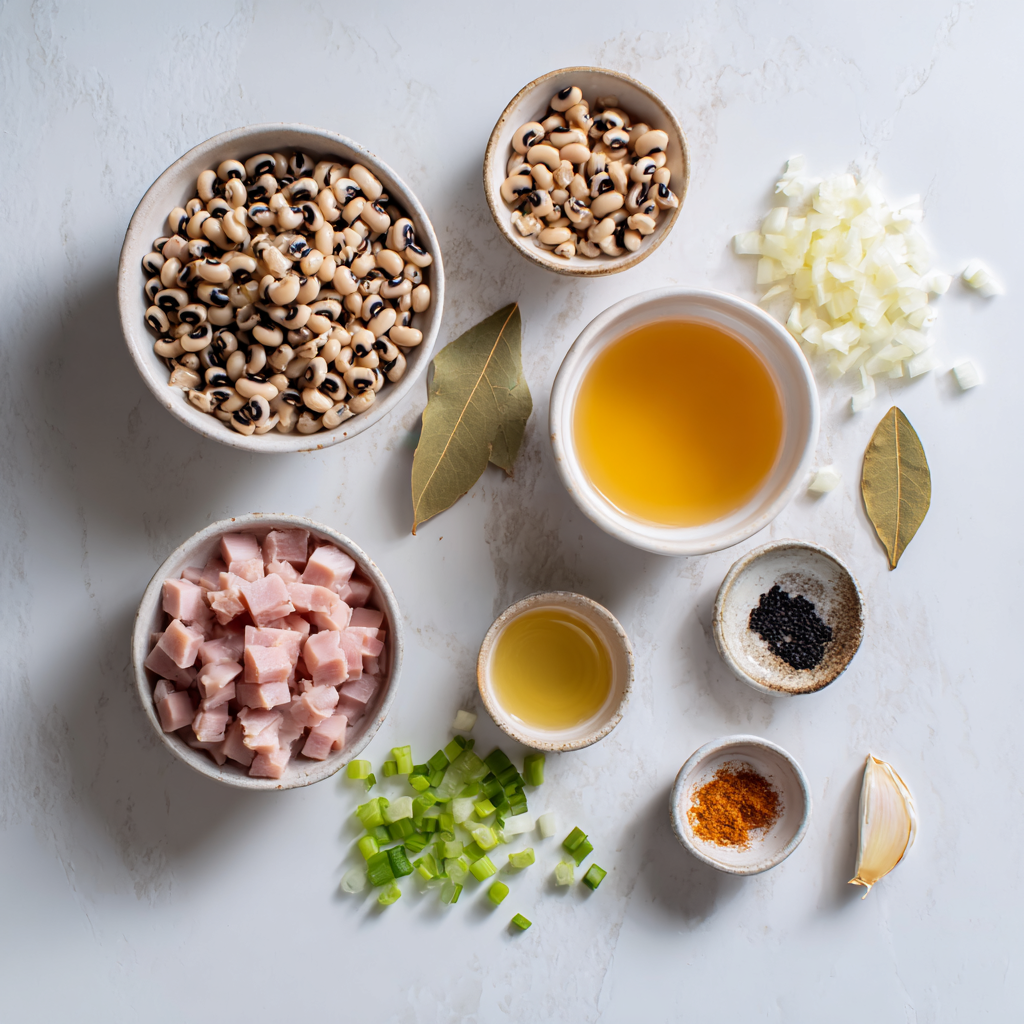
- 1 cup dried black eyed peas
The star ingredient, dried black eyed peas have a mild, earthy flavor and creamy texture when cooked. They are rich in protein and fiber, making them both nutritious and satisfying. - 4 cups water
This is essential for rehydrating the black eyed peas during soaking and for cooking. The water will absorb the flavors from the other ingredients, resulting in a rich, savory broth. - 1 medium onion, diced
Onions provide a foundational flavor, bringing sweetness and depth to the dish. When sautéed, they caramelize slightly and add a rich, aromatic quality. - 2 cloves garlic, minced
Garlic amplifies the overall flavor profile, delivering a fragrant punch. It’s a key aromatic that enhances the essence of Southern cuisine. - 1 smoked ham hock or 1 cup diced ham
The ham hock or diced ham infuses a smoky flavor into the peas, enriching the dish with savory undertones. It’s a traditional ingredient that gives the dish its Southern charm. - 1 teaspoon smoked paprika
This spice offers a warm, smoky flavor that complements the earthiness of the peas. It adds depth and a hint of sweetness, making the dish more complex. - 1 teaspoon cayenne pepper (optional)
For those who like a bit of heat, cayenne pepper adds a spicy kick. It enhances the flavor profile beautifully without overpowering the dish. - Salt and pepper to taste
Salt enhances overall flavor while pepper adds a subtle heat. Adjust to your preference to ensure the dish is well-seasoned. - 1 tablespoon olive oil
Used for sautéing, olive oil adds richness to the dish and helps in the blending of flavors. It’s a healthier fat choice that ties everything together.
Directions & Preparation
Step 1: Soak the black eyed peas overnight.
Soaking the peas helps to soften them and reduce cooking time. It also assists in achieving a creamy texture while ensuring even cooking. If you’re pressed for time, a quick soak method involves boiling them for a couple of minutes, then letting them sit for an hour before cooking.
Step 2: In a large pot, heat olive oil over medium heat.
Heating the oil first allows it to reach the right temperature for sautéing, preserving the vibrant flavors from the garlic and onions. A well-heated pot will create a nice sizzle when adding ingredients, leading to better caramelization and flavor development.
Step 3: Add the diced onion and cook until translucent.
Cooking the onion until translucent signifies that it is releasing its natural sugars, enhancing sweetness and adding depth. This step forms the critical base flavor that carries through to the finished dish, building complexity.
Step 4: Stir in the minced garlic and cook for an additional 1-2 minutes.
Garlic cooks quickly and will become fragrant, so it’s important to add it after the onions to avoid burning. This step allows the garlic to release its oils, infusing the dish with its aromatic flavor while complementing the onions perfectly.
Step 5: Pour in the soaked black eyed peas and water.
Adding the peas and water creates the base of the dish, allowing the flavors to meld while cooking. The water will become seasoned liquid, which is crucial for flavoring the peas as they absorb the broth.
Step 6: Add smoked ham hock (or diced ham) and seasonings.
This step is key for infusing the dish with richness and a smoky flavor. The ham hock will release its essence into the water, creating a savory broth; alternatively, diced ham can be used for a quicker option, scattering flavor throughout the peas.
Step 7: Bring the mixture to a boil, then reduce heat and simmer.
Simmering allows the peas to cook evenly while blending the flavors. A gentle simmer prevents the peas from breaking apart, preserving their texture. Keep an eye on the pot, and add more water if necessary to prevent sticking.
Step 8: Cook until peas are tender, about 45-60 minutes.
This crucial cooking time guarantees that the peas become creamy and tender, while remaining intact. Stir occasionally to keep things from sticking to the bottom of the pot; taste periodically to check if they need additional seasoning.
Step 9: Adjust seasoning with salt, pepper, or cayenne as needed.
Tasting and adjusting at the end is essential to ensure the dish has the right balance of flavor. Be cautious with added salt; the ham can be quite salty, so adjust accordingly to your preference.
Step 10: Serve hot, garnished with fresh herbs if desired.
Serving the peas warm allows their flavors to shine. A sprinkle of fresh herbs can elevate the presentation and add an extra layer of freshness. Enjoy them as a side dish, or center them as part of a main meal.
The Secret to Smoky Flavor
The addition of a smoked ham hock, or even smoked sausage, is a hallmark of Southern Black Eyed Peas. It offers a deep, savory flavor that enhances the entire dish. The smoky notes pair beautifully with the earthiness of the peas, creating a harmonious balance. If you prefer to keep it vegetarian, consider using liquid smoke or smoked paprika to impart a similar depth without meat.
Fresh Herb Garnish for Brightness
A simple garnish can transform your black eyed peas from satisfying to spectacular. Fresh herbs like parsley or cilantro add vibrant color and a burst of freshness. This not only enhances the appearance but also brightens the flavors, countering the richness. Sprinkle just before serving to maintain their freshness.
Pairing Suggestions: Beyond Tradition
While Southern Black Eyed Peas are often paired with cornbread and collard greens, their versatility allows for varied accompaniments. Consider serving them alongside grilled meats, atop a bed of rice, or even mixed into a salad for added protein. They can also be made into a flavorful dip, bringing Southern flair to any gathering.
FAQs
What if my black eyed peas are too thick after cooking?
If the mixture becomes too thick, simply stir in additional water or broth a little at a time until you’ve reached your desired consistency. Stir well to combine.
Can I scale this recipe for a larger group?
Absolutely! Just multiply the ingredients by the number of servings needed, ensuring that you have a large enough pot to accommodate the increased quantity.
What can I do if the flavor seems bland?
If the dish lacks flavor, consider adding more salt and pepper, a splash of vinegar, or even a pinch of cayenne to enhance the taste. Taste as you adjust.
Can this recipe be made vegetarian?
Yes, simply omit the ham and replace it with vegetable broth or a vegetarian smoked salt for added flavor. Incorporate other spices to build depth.
What variations can I try in this recipe?
Consider adding diced tomatoes, bell peppers, or even greens like spinach or kale during cooking for added texture and nutrients.
How do I keep leftovers from drying out?
Store leftovers in an airtight container and add a splash of water or broth before reheating. This will help maintain the moisture and creaminess of the peas.
Conclusion
Southern Black Eyed Peas are more than just a traditional dish; they represent comfort and community, bringing people together over shared meals. With a few key ingredients and a simple preparation method, you can create a dish that’s not only flavorful but also nourishing.
Whether enjoyed on their own, as a side, or as part of a larger feast, these black eyed peas are a testament to the joys of Southern cooking. Embrace the flavors and traditions, and don’t hesitate to make this recipe your own.
Notes
Additional serving suggestions: pair with a crisp salad, garlic bread, or roasted seasonal vegetables for balance.
For make-ahead, prep components separately and assemble just before heating to preserve texture.
Taste and adjust with acid (lemon/vinegar) and salt right at the end to wake up flavors.