Introduction
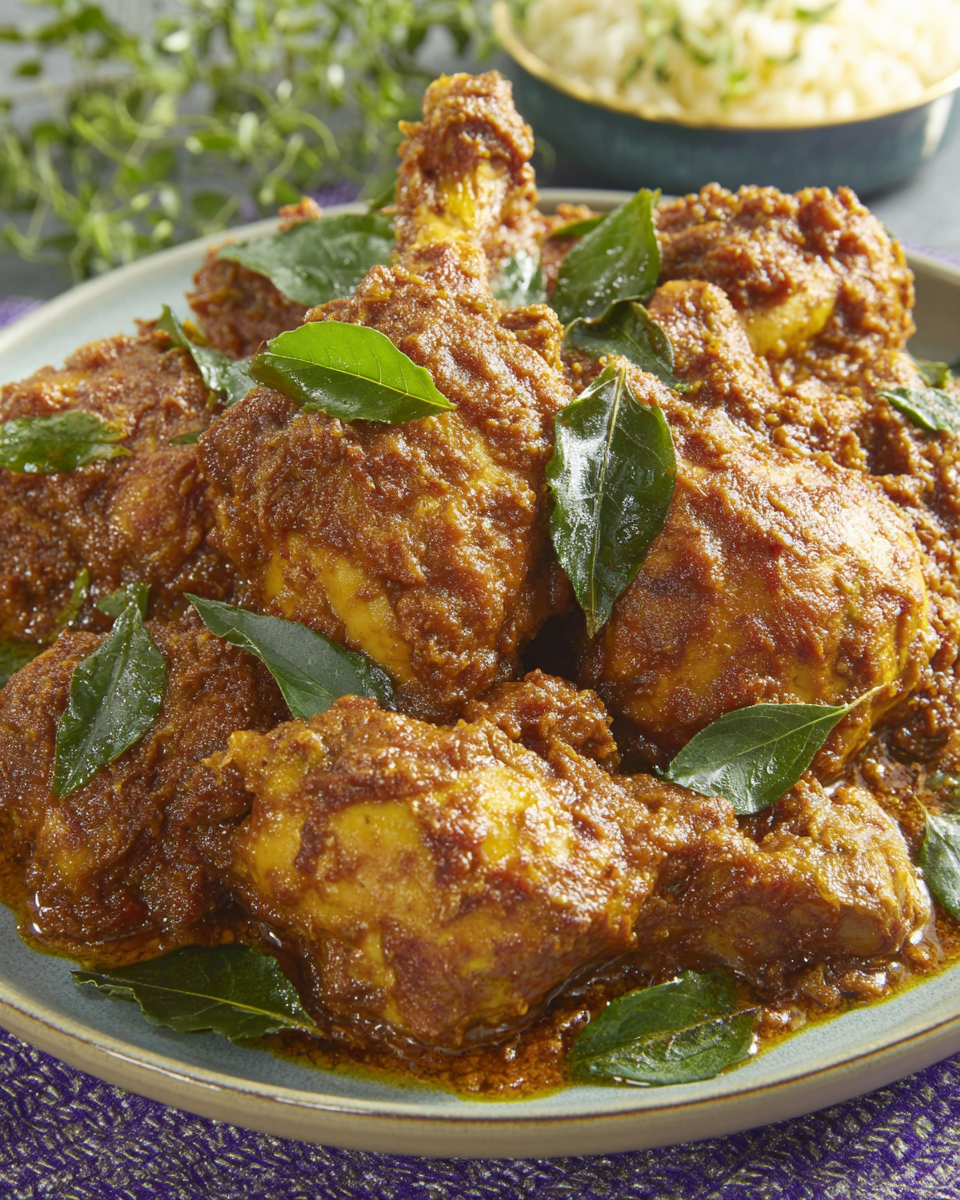
Chicken Kapitan, also known as Ayam Kapitan, is a fragrant and hearty dish that offers a delightful twist on traditional curry. Originating from the Peranakan or Nyonya cuisine of Malaysia, this dish combines the best of Chinese and Malay flavors, creating a rich tapestry of spices and textures.
At the heart of Chicken Kapitan is tender chicken simmered in a luscious curry sauce enriched with coconut milk, tamarind, and an array of spices. This aromatic dish not only showcases the culinary diversity of Southeast Asia but also serves as a comforting meal for family gatherings or casual dinners.
Ingredients
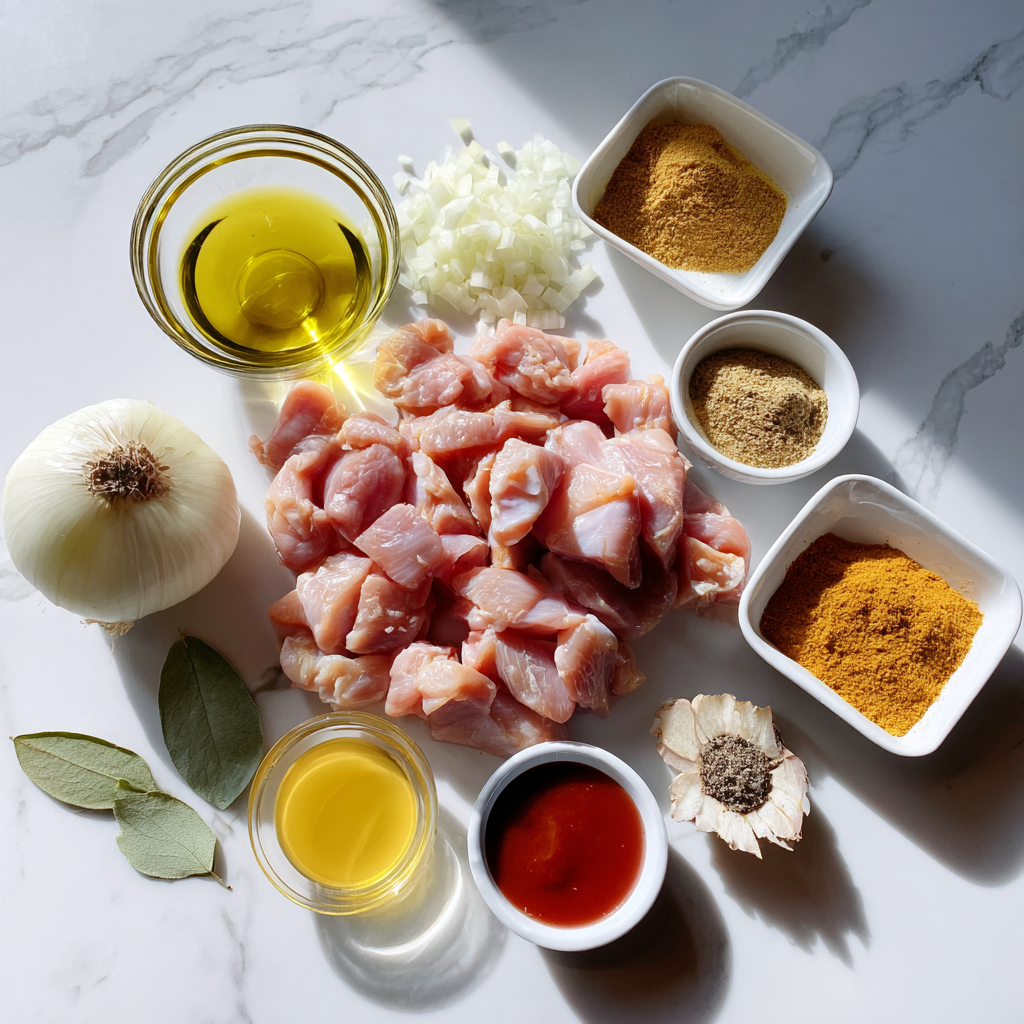
- 1 kg chicken pieces (bone-in, skin-on)
Using bone-in chicken ensures maximum flavor and moisture during cooking. The skin also adds richness to the dish. - 1 can (400 ml) coconut milk
Coconut milk provides creaminess and a subtle sweetness that balances the spices, giving Chicken Kapitan its signature velvety texture. - 2 tablespoons tamarind paste
The tamarind paste introduces a tangy flavor that brightens the dish and balances the richness of the coconut milk. - 1 large onion, finely sliced
Onions form the base of many curries, providing sweetness and depth of flavor. When sautéed until golden, they add a beautiful aroma. - 4 cloves garlic, minced
Garlic adds a pungent, savory note that melds beautifully with the other spices, enhancing the overall flavor profile. - 1-inch ginger, minced
Fresh ginger imparts a warm, zesty flavor that complements the spices, contributing to the dish’s complexity. - 2 green chilies, sliced (adjust for spiciness)
Green chilies add heat and brightness, making the curry vibrant. Adjusting the quantity allows you to customize spice levels. - 2 tablespoons curry powder
A blend of spices, curry powder is essential to deliver the warm, aromatic essence of this dish. Choose a quality blend for the best results. - 1 tablespoon turmeric powder
Turmeric lends its warm color and earthy flavor, which is characteristic of many Southeast Asian curries. - Salt to taste
Salt enhances all the flavors in the dish, balancing sweetness, acidity, and spice. - Fresh coriander leaves for garnish
Coriander adds a fresh, herbal note that brightens the rich flavors of the curry, making it visually appealing.
Directions & Preparation
Step 1: Preparation of chicken and marinade
Begin by cleaning the chicken pieces thoroughly. A simple rinse followed by patting them dry will help the marinade adhere better. Develop flavors by marinating the chicken in a mixture of garlic, ginger, turmeric, and salt, allowing it to absorb these essential spices.
Step 2: Cook the onion and spices
In a large pot, heat oil over medium heat and sauté the sliced onions until they’re golden and translucent. This step is crucial as it forms the aromatic base of the curry. Once the onions are ready, incorporate garlic and ginger, followed by the curry powder and turmeric, stirring to release their essential oils.
Step 3: Add chicken to the pot
Introduce the marinated chicken pieces, ensuring they are well-coated with the onion and spice mixture. Searing the chicken at this stage will help lock in juices and deepen the overall flavor complexity of the curry.
Step 4: Incorporate coconut milk and tamarind
Pour in the coconut milk, stirring well to combine it with the chicken and spices. The coconut milk should create a creamy sauce that envelops the pieces. Add the tamarind paste, which will provide that distinct tanginess, balancing the richness coming from the coconut.
Step 5: Simmer the curry
Let the dish simmer for about 30-40 minutes on low heat, allowing the flavors to meld beautifully. This slow cooking process is vital for tenderizing the chicken and enabling it to absorb all the aromatic spices.
Step 6: Taste and adjust seasoning
Before finishing, taste the curry and adjust the seasoning with salt, or add more tamarind if you desire extra tanginess. Small adjustments at this stage can elevate the dish to your preference.
Step 7: Garnish and serve
Once cooked, remove from heat and allow the curry to rest for a few minutes. Garnish with fresh coriander leaves for a pop of color and freshness. Serve the Chicken Kapitan warm with rice or bread to soak up the rich and flavorful sauce.
Understanding the Depth of Tradition in Chicken Kapitan
Chicken Kapitan isn’t just a meal; it’s a celebration of cultural heritage. This dish reflects the unique blend of Malay and Chinese culinary practices influenced by the Peranakan community. Each ingredient plays a role in honoring tradition while inviting modern interpretations, allowing home cooks to connect with the heritage of their ancestors.
Balancing Flavors: The Art of Seasoning
A successful Chicken Kapitan hinges on balancing flavors. The sweetness of the coconut milk, the acidity of tamarind, and the heat from chilies must harmonize. Seasoning is an art; tweaking these elements during cooking helps create a dish that resonates with your palate. Embrace the delicious complexity that makes this curry special.
Serving Suggestions: Pairing Chicken Kapitan
Chicken Kapitan is best served with fragrant jasmine rice or fluffy naan, which help absorb the flavorful sauce. It also pairs well with simple vegetable sides like sautéed greens or a light cucumber salad. These accompaniments enhance the meal’s appeal while preventing it from feeling too heavy.
FAQs
What if my Chicken Kapitan turns out too thick?
If the sauce is too thick after simmering, simply add a little water or extra coconut milk to adjust the consistency until it reaches your desired level.
Can I use boneless chicken instead of bone-in?
Yes, although bone-in chicken enhances flavor and moisture, boneless chicken can be used for quicker cooking and ease of eating.
What can I do if my curry lacks flavor?
If your Chicken Kapitan tastes bland, try adding more salt or a splash of fish sauce to enhance the umami notes. A bit more tamarind can also boost acidity.
How can I increase the spiciness of the dish?
To elevate the heat, consider adding more green chilies during cooking or incorporating some red chili paste for an extra punch.
What if I don’t have tamarind paste?
If tamarind paste is unavailable, you can substitute with a mixture of lime juice and a bit of brown sugar to mimic the sweet and sour flavor.
How do I know when the chicken is fully cooked?
Ensure your chicken has reached an internal temperature of 75°C (165°F), or check that the meat is tender and fully opaque without any pinkness.
Conclusion
Chicken Kapitan is a remarkable dish that effortlessly combines a variety of flavors and textures, making it a favorite in many households. Its rich history and comforting taste make it perfect for intimate dinners and festive gatherings alike.
As you dive into preparing this dish, allow yourself to experiment and make it your own. Whether through adjusting heat levels or enhancing seasonings, you have the freedom to create a Chicken Kapitan that reflects your culinary preferences.
Notes
Additional serving suggestions: pair with a crisp salad, garlic bread, or roasted seasonal vegetables for balance.
For make-ahead, prep components separately and assemble just before heating to preserve texture.
Taste and adjust with acid (lemon/vinegar) and salt right at the end to wake up flavors.