Introduction
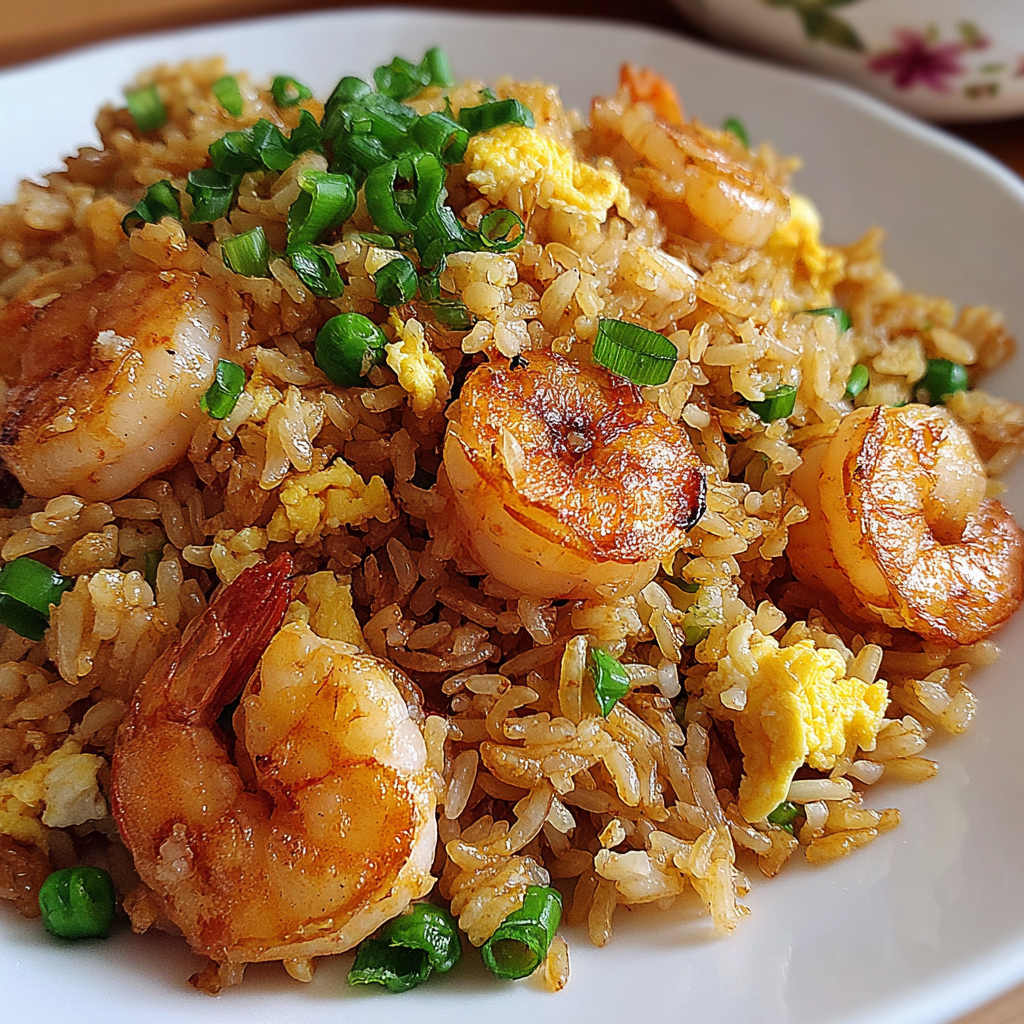
Shrimp fried rice is a delightful dish that combines succulent shrimp with perfectly cooked rice, vibrant vegetables, and a medley of flavors. It's not just a quick meal; it’s also an opportunity to elevate your home cooking experience. With just a few key ingredients and techniques, you can create a satisfying dish reminiscent of your favorite takeout.
The beauty of shrimp fried rice lies in its versatility. You can adapt it to what you have on hand, making it a great option for using up leftover rice or vegetables. The combination of textures and flavors in this dish can impress family and friends, or simply make a satisfying dinner for yourself after a long day.
Ingredients
- 2 cups cooked jasmine rice
Using day-old rice is ideal because it has a firmer texture that prevents the dish from becoming mushy. If freshly cooked rice is used, spread it out on a tray to cool and dry out somewhat. - 1 pound shrimp, peeled and deveined
Shrimp adds protein and a rich flavor profile that complements the rice. Opt for medium to large shrimp for a satisfying bite, and ensure they are well-seasoned as they will impart flavor to the entire dish. - 1 cup mixed vegetables (peas, carrots, corn)
These vegetables provide a colorful contrast and a mix of textures. They are also packed with nutrients, making your fried rice more balanced and appealing. - 2 tablespoons soy sauce
Soy sauce is crucial for imparting a savory umami flavor. It acts as the seasoning base of the dish, enhancing the taste of the shrimp and vegetables while giving the rice a beautiful color. - 1 tablespoon oyster sauce
This sauce adds depth and a hint of sweetness to your fried rice, complementing the saltiness of the soy sauce and bolstering the overall flavor profile. - 2 teaspoons sesame oil
Sesame oil brings a nutty aroma and richness to the dish. It’s used both for cooking and as a finishing oil to enhance flavor. - 2 eggs, beaten
Eggs provide creaminess and richness, contributing to the dish's overall texture. They also help to bind the ingredients together while adding protein. - 3 green onions, chopped
Green onions add freshness and a mild onion flavor, which brightens up the dish. They are often used as a garnish, enhancing both texture and taste. - Salt and pepper to taste
These staples are essential for balancing flavors and ensuring that each ingredient shines through in the final dish.
Directions & Preparation
Step 1: Prepare the ingredients
Start by organizing your workspace to streamline the cooking process. Peel and devein the shrimp, chop the vegetables, and beat the eggs. Having everything prepped ensures you can cook efficiently, as shrimp fried rice comes together quickly once the heat is on.
Step 2: Heat the wok or large skillet
Place your wok or skillet over high heat and allow it to get very hot before adding oil. Cooking at high temperatures allows the ingredients to sear rather than steam, which is key to achieving that desirable slightly crispy texture in fried rice.
Step 3: Cook the shrimp
Add a tablespoon of oil and then the shrimp to the hot pan. Cook for about 2–3 minutes until they turn pink and opaque. This step not only flavors the oil but also creates a foundation of taste for the entire dish.
Step 4: Scramble the eggs
Push the cooked shrimp to the side of the pan, add a bit more oil, and pour in the beaten eggs. Stir vigorously to cook them through while mixing them into the shrimp. This provides a rich, creamy element and infuses the eggs with shrimp flavor.
Step 5: Add the vegetables
Once the eggs are nearly done, add the mixed vegetables to the pan. Sauté for a few minutes until they are tender but still vibrant. At this stage, the moisture from the vegetables helps to steam the eggs a bit, ensuring they remain fluffy.
Step 6: Combine with the rice
Add the day-old rice to the pan, breaking up any clumps. Stir everything together, and let it fry for several minutes. This step is crucial for infusing the rice with flavors from the shrimp, eggs, and vegetables.
Step 7: Season the rice
Pour in the soy sauce and oyster sauce, mixing well to ensure even distribution. This is where the magic happens—the sauces add depth and character to each grain of rice, elevating the dish.
Step 8: Finish with sesame oil and green onions
Drizzle the sesame oil over the rice and add the chopped green onions. This final touch not only adds a final layer of flavor but also freshness. Toss to combine, tasting for seasoning adjustments before serving.

The Importance of Temperature
Cooking shrimp fried rice requires high heat to achieve optimal texture. A hot wok or skillet allows the rice to fry rather than steam, giving it a desirable crispness. It also helps to sear the shrimp, enhancing their flavor and creating a golden, caramelized exterior. Be sure to use an oil with a high smoke point to maintain that heat.
Customizing Your Fried Rice
This shrimp fried rice recipe is incredibly flexible. You can add different proteins like chicken or tofu, or switch up the vegetables based on what’s in your fridge. Consider adding bell peppers, bok choy, or snap peas for variety. You can also include flavor boosters like garlic or ginger to personalize the taste to your preference.
Tips for Perfect Rice
Using cold, day-old rice is one of the secrets to great fried rice. If you don’t have leftover rice, make a fresh batch and spread it on a baking sheet to cool quickly in the fridge. The key is to ensure the rice grains are dry and separate, which helps them fry evenly without clumping.
FAQs
What if my shrimp is overcooked?
If the shrimp becomes rubbery, it's usually due to overcooking. Ensure you remove it from heat as soon as it turns opaque and pink, as it continues to cook slightly after.
How can I scale this recipe for a larger crowd?
Simply multiply the ingredient quantities by the number of servings you need. Just be cautious to use a larger pan to maintain high heat during cooking.
Why does my fried rice taste bland?
Bland fried rice can result from insufficient seasoning. Ensure you add enough soy sauce and taste as you go. Adjust with salt and pepper according to your preference.
Can I use frozen shrimp for this recipe?
Absolutely! Just ensure to thaw the shrimp properly before cooking to avoid excess moisture, which can make the rice soggy.
What should I do if my rice is too mushy?
If your rice is overly mushy, try to spread it out on a sheet tray to cool and dry out slightly before incorporating it into the dish. This helps separate the grains.
Should I rinse my rice before cooking?
Rinsing rice before cooking can help remove excess starch, which leads to less sticky rice. However, for fried rice, it’s best to focus on using rice that has cooled and dried after cooking.
Conclusion
Creating shrimp fried rice at home is not only enjoyable but also allows for creativity in the kitchen. With just a few simple ingredients and some basic techniques, you can whip up a dish that rivals your favorite restaurants.
Embrace the adaptability of shrimp fried rice by experimenting with different vegetables and proteins. It’s a fantastic weeknight meal that feels gourmet without the hassle, bringing flavors that everyone will love.
Recipe Card
Creating Flavorful Shrimp Fried Rice at Home
Ingredients
- 2 cups cooked jasmine rice
- 1 pound shrimp peeled and deveined
- 1 cup mixed vegetables peas, carrots, corn
- 2 tablespoons soy sauce
- 1 tablespoon oyster sauce
- 2 teaspoons sesame oil
- 2 eggs beaten
- 3 green onions chopped
- Salt and pepper to taste
Instructions
- Prepare the ingredients
- Heat the wok or large skillet
- Cook the shrimp
- Scramble the eggs
- Add the vegetables
- Combine with the rice
- Season the rice
- Finish with sesame oil and green onions
Notes
Additional serving suggestions: pair with a crisp salad, garlic bread, or roasted seasonal vegetables for balance.
For make-ahead, prep components separately and assemble just before heating to preserve texture.
Taste and adjust with acid (lemon/vinegar) and salt right at the end to wake up flavors.