Introduction
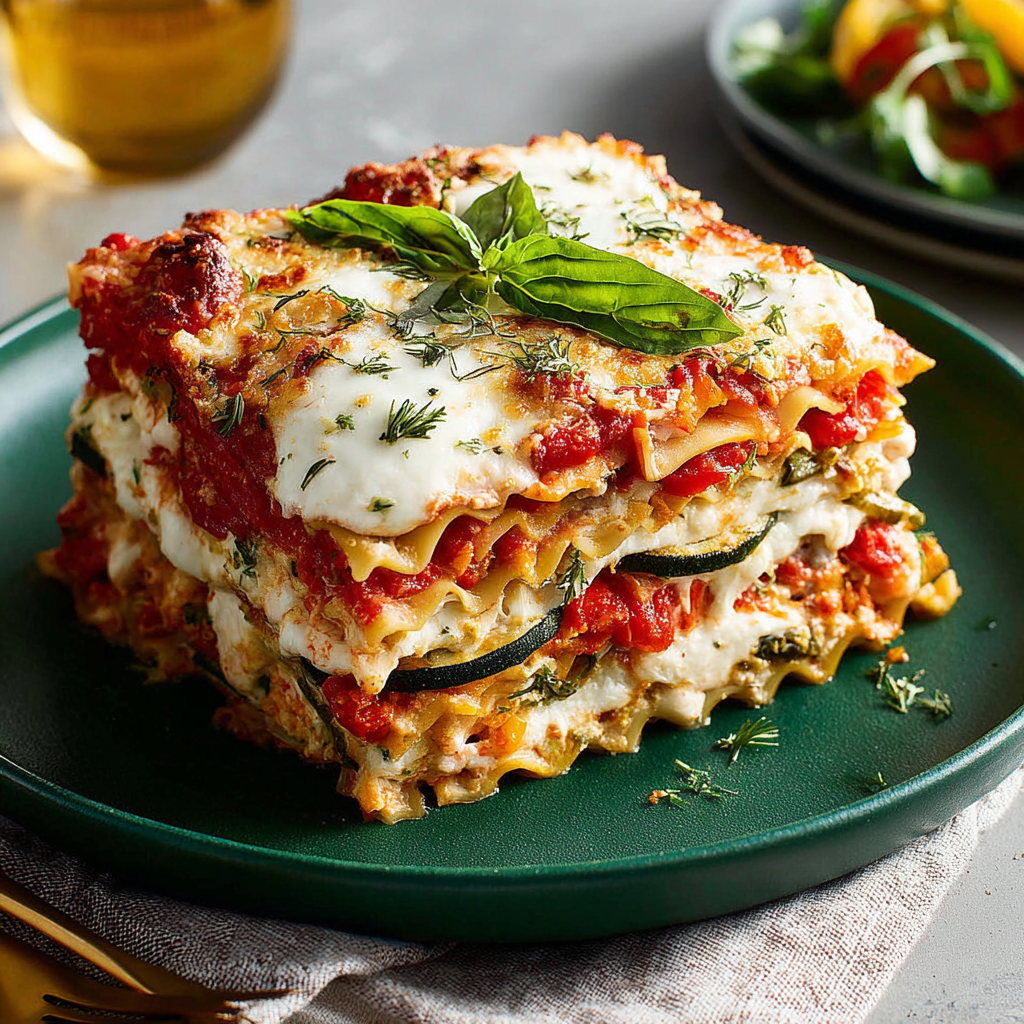
Vegetarian lasagna is a comforting dish that brings together layers of flavor and nutrition, making it a perfect choice for family dinners or gatherings with friends. With its hearty fillings and delectable sauce, this dish is bound to impress even the meat lovers in your life.
The beauty of vegetarian lasagna lies in the versatility of its ingredients, allowing you to customize the flavors to your liking. Fresh vegetables, creamy cheeses, and a rich tomato sauce create a balanced meal that nourishes both the body and soul. Get ready to discover how easy and enjoyable it is to create your own version of this classic dish.
Ingredients
- 9 lasagna noodles
Lasagna noodles serve as the foundation of the dish, creating the layers that hold everything together. Opt for oven-ready noodles to save time, as they don’t require pre-cooking. - 2 cups ricotta cheese
Ricotta adds a creamy texture to the lasagna and contributes a mild flavor that complements the other ingredients. It also contains protein, making the dish more filling. - 2 cups shredded mozzarella cheese
Mozzarella is essential for that gooey, cheesy topping that everyone loves. It melts beautifully and creates a delightful stretch when pulled apart. - 1 cup grated Parmesan cheese
Parmesan introduces a tangy, nutty flavor that enhances the overall taste of the lasagna. It’s perfect for sprinkling between layers and on top, providing a golden crust. - 2 cups marinara sauce
This sauce is the heart of the lasagna, providing moisture and flavor. You can use store-bought sauce for convenience or homemade for a personal touch. - 2 cups spinach, fresh or frozen
Spinach adds a nutritional boost and earthy flavor. If using frozen spinach, be sure to thaw and drain it to avoid excess moisture in the dish. - 1 zucchini, thinly sliced
Zucchini introduces a mild, slightly sweet taste while adding moisture and texture. Its layers integrate well with cheese and sauce. - 1 bell pepper, diced
Bell peppers provide a crunch and vibrant color to the dish. They also contribute a slight sweetness that balances the acidity of the sauce. - 1 onion, diced
Onions bring depth of flavor and sweetness to the sauce. Sautéing them until translucent enhances their natural sweetness and aroma. - 2 cloves garlic, minced
Garlic adds an aromatic punch that elevates the dish’s flavor profile. It’s crucial for building a robust flavor base. - 1 teaspoon dried oregano
Oregano offers a classic Italian flavor that ties all the ingredients together. It’s essential for providing that homemade taste. - 1 teaspoon salt
Salt is a fundamental ingredient that enhances every flavor. Adjust the quantity depending on personal taste and the saltiness of your cheese. - 1/2 teaspoon black pepper
Black pepper adds a subtle heat and complexity to the dish. It balances the richness of the cheeses and sauces.
Directions & Preparation
Step 1: Preheat the oven to 375°F (190°C).
Preheating the oven ensures that the lasagna cooks evenly and thoroughly. A consistent temperature is key for achieving a perfectly baked dish.
Step 2: In a large skillet, heat olive oil over medium heat and sauté onion and garlic until they are soft.
Sautéing the onion and garlic releases their natural flavors and adds depth to the lasagna. Cooking until soft allows them to meld perfectly with the other ingredients.
Step 3: Add the diced bell pepper and zucchini to the skillet, cooking until tender.
Incorporating bell pepper and zucchini enriches the filling with flavor and texture. Ensuring they are tender before layering will prevent excess moisture in the lasagna.
Step 4: Stir in the spinach and cook until wilted, then season with salt, pepper, and oregano.
Cooking the spinach until wilted reduces its bulk and integrates its flavor into the mix. Seasoning at this stage enhances the herbaceous notes in the filling.
Step 5: In a mixing bowl, combine ricotta, half the mozzarella, and half the Parmesan cheese.
This mixture creates a creamy layer that binds well with the other ingredients. The combination of cheeses provides a rich mouthfeel that contrasts with the veggies.
Step 6: Spread a thin layer of marinara sauce on the bottom of a 9×13 inch baking dish.
Starting with sauce keeps the noodles from sticking and adds moisture from the outset. This ensures the bottom layer cooks evenly and prevents burning.
Step 7: Layer three lasagna noodles over the sauce, followed by half of the ricotta mixture, half of the sautéed vegetables, and a third of the remaining marinara sauce.
Layering is essential to achieving a well-balanced lasagna. Each layer should be spread evenly, ensuring every bite has a bit of everything.
Step 8: Repeat the layering process with another three noodles, the remaining ricotta mixture, vegetables, and marinara sauce.
Building a second layer solidifies the dish's structure. Use the remaining ingredients so that flavors are balanced throughout.
Step 9: Top with the final three noodles, remaining marinara sauce, and the rest of the mozzarella and Parmesan cheeses.
Finishing with the sauces and cheese creates a beautiful, golden top. This layer is crucial for both aesthetics and flavor, providing that sought-after cheesy crust.
Step 10: Cover the baking dish with aluminum foil and bake for 25 minutes.
Covering the lasagna while baking helps it cook through without drying out. This initial baking phase allows the flavors to meld.
Step 11: Remove the foil and bake for an additional 15-20 minutes until the cheese is bubbly and golden brown.
Uncovering the dish allows the cheese to get that desired browned crust. Monitoring the browning process is vital to prevent overcooking.
Step 12: Let the lasagna cool for 10 minutes before slicing.
Allowing the lasagna to cool for a short period helps it set, making it easier to slice and serve. This step ensures you get neat, defined portions.

Flavorful Layering: The Key to Success
Layering is crucial in lasagna, as it impacts both flavor and texture. Each layer should serve a distinct purpose, whether it’s to add creaminess, a hearty vegetable crunch, or that desirable cheesy finish. Think of it as a delicious puzzle where every piece matters, leading to a perfect combination that will keep everyone coming back for seconds.
Choosing the Right Vegetables
The choice of vegetables can greatly influence the outcome of your lasagna. Using a mix of seasonal produce not only enhances flavor but also adds nutritional value. Additionally, consider the water content in the vegetables; for instance, zucchini releases moisture as it cooks, so ensure it's well-drained before layering to avoid a soggy bottom.
Customizing Your Lasagna Experience
One of the joys of making vegetarian lasagna is the ability to customize it according to your preferences. Whether you want to add more greens, swap out cheeses, or incorporate different herbs and spices, the possibilities are endless. This adaptability allows you to create a lasagna that suits your taste and dietary needs while still satisfying those classic cravings.
FAQs
What can I do if my lasagna turns out too watery?
If your lasagna is watery, try draining excess moisture from cooked vegetables beforehand or use thicker marinara sauce. Letting it rest longer after baking can also help absorb liquid.
Can I use other types of cheese in this lasagna?
Absolutely! Feel free to experiment with cheeses like feta for a tangy twist or gouda for a richer flavor. Adjust quantities based on your taste.
Why is my lasagna too thick?
A lasagna may turn out too thick if too many noodles are used or if the cheese filling is overly dense. Aim for balance, and don't overload on layers.
How can I add more flavor without adding extra salt?
To enhance flavor, consider adding a splash of balsamic vinegar or incorporating fresh basil and parsley. These ingredients boost the dish without relying solely on salt.
What is the best way to layer my ingredients?
Start with a layer of sauce at the bottom, then noodles, followed by cheese and vegetables. Keep the balance in mind to ensure proper cooking and flavors.
Why is my cheese not melting properly on top?
If the cheese doesn't melt well, consider using fresh mozzarella instead of pre-shredded. Fresh cheese melts beautifully and achieves that desirable stretch.
Conclusion
This vegetarian lasagna recipe not only delivers on taste but also provides a canvas for creativity in the kitchen. Each layer and ingredient contributes to a delightful dining experience that the entire family will enjoy.
By following this recipe, you can create a nourishing dish that showcases the best of seasonal vegetables. With a few simple swaps and additions, lasagna can be a personalized masterpiece that satisfies and delights.
Recipe Card
Delicious Vegetarian Lasagna for Home Cooks
Ingredients
- 9 lasagna noodles
- 2 cups ricotta cheese
- 2 cups shredded mozzarella cheese
- 1 cup grated Parmesan cheese
- 2 cups marinara sauce
- 2 cups spinach fresh or frozen
- 1 zucchini thinly sliced
- 1 bell pepper diced
- 1 onion diced
- 2 cloves garlic minced
- 1 teaspoon dried oregano
- 1 teaspoon salt
- 1/2 teaspoon black pepper
Instructions
- Preheat the oven to 375°F (190°C).
- In a large skillet, heat olive oil over medium heat and sauté onion and garlic until they are soft.
- Add the diced bell pepper and zucchini to the skillet, cooking until tender.
- Stir in the spinach and cook until wilted, then season with salt, pepper, and oregano.
- In a mixing bowl, combine ricotta, half the mozzarella, and half the Parmesan cheese.
- Spread a thin layer of marinara sauce on the bottom of a 9x13 inch baking dish.
- Layer three lasagna noodles over the sauce, followed by half of the ricotta mixture, half of the sautéed vegetables, and a third of the remaining marinara sauce.
- Repeat the layering process with another three noodles, the remaining ricotta mixture, vegetables, and marinara sauce.
- Top with the final three noodles, remaining marinara sauce, and the rest of the mozzarella and Parmesan cheeses.
- Cover the baking dish with aluminum foil and bake for 25 minutes.
- Remove the foil and bake for an additional 15-20 minutes until the cheese is bubbly and golden brown.
- Let the lasagna cool for 10 minutes before slicing.
Notes
Additional serving suggestions: pair with a crisp salad, garlic bread, or roasted seasonal vegetables for balance.
For make-ahead, prep components separately and assemble just before heating to preserve texture.
Taste and adjust with acid (lemon/vinegar) and salt right at the end to wake up flavors.