Introduction
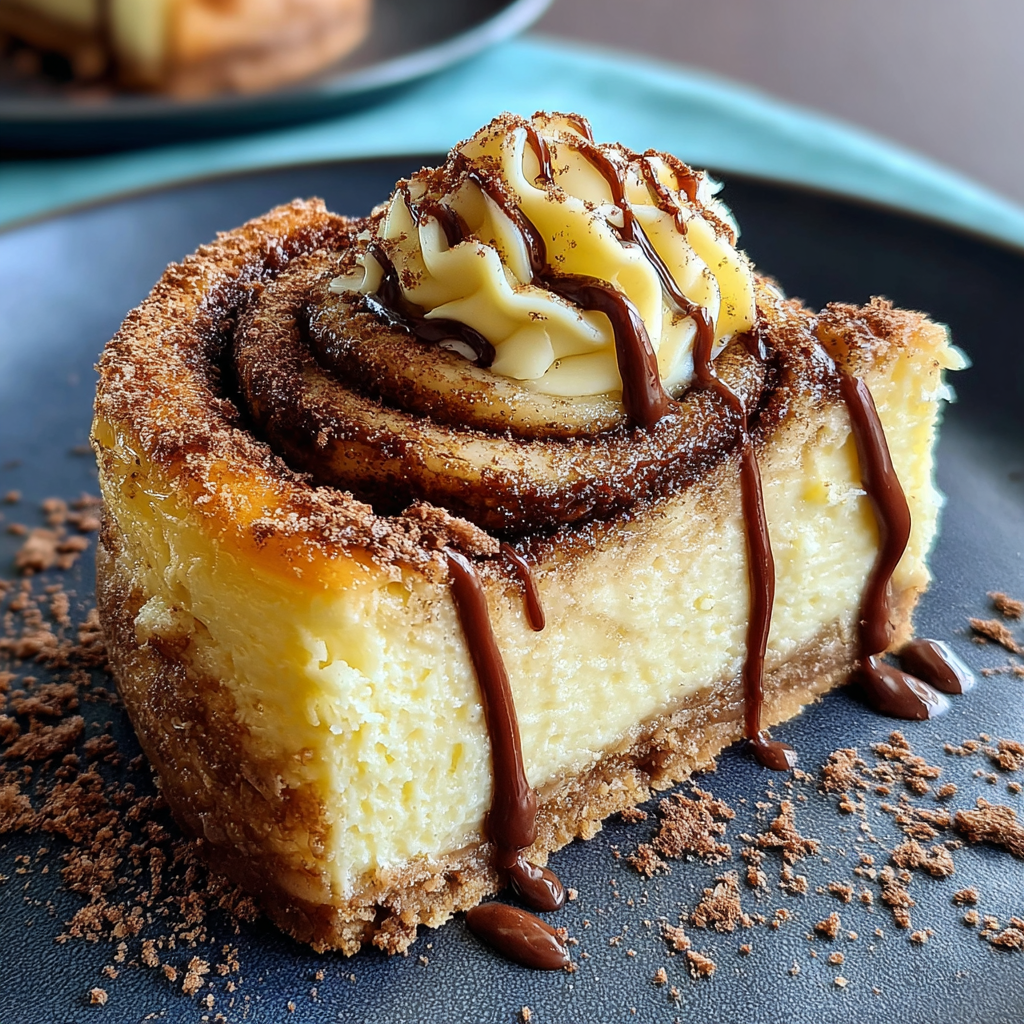
Cinnamon Roll Cheesecake effortlessly combines the classic dessert flavors of rich cheesecake with the warm, aromatic essence of cinnamon rolls. This fusion creates a decadent treat that appeals to both cheesecake enthusiasts and cinnamon roll lovers alike.
Perfect for occasions ranging from holiday gatherings to casual family dinners, this cheesecake serves as a stunning centerpiece. The combination of creamy filling and soft, swirled cinnamon dough not only tantalizes your taste buds but also invites warm memories with every bite.
Ingredients
- 2 cups graham cracker crumbs
Graham cracker crumbs form the base of this cheesecake, providing a sweet and slightly crunchy texture that complements the creamy filling. They also help to stabilize the layers and enhance the overall flavor. - 1/2 cup unsalted butter, melted
Butter binds the graham cracker crumbs together, ensuring a firm crust. The rich flavor of unsalted butter adds a depth of taste while preventing the crust from being too salty. - 4 (8 oz) packages cream cheese, softened
Cream cheese is the star ingredient, contributing to the rich, creamy texture and tangy flavor of the cheesecake. Softening it before mixing helps achieve a smooth consistency that incorporates well with other ingredients. - 1 cup granulated sugar
Sugar sweetens the cheesecake, balancing the richness of the cream cheese. It also helps to create a light and airy texture during the mixing process. - 1 teaspoon vanilla extract
Vanilla extract enhances the flavor profile by adding warmth and depth. It's a common ingredient in cheesecakes that rounds out the sweetness. - 4 large eggs
Eggs act as both a binder and leavening agent, giving the cheesecake structure and a creamy texture. Properly incorporating them helps avoid a dense final product. - 1 teaspoon ground cinnamon
Ground cinnamon infuses the cheesecake with aromatic warmth, reminiscent of traditional cinnamon rolls. It plays a crucial role in achieving the desired flavor. - 1/2 cup brown sugar
Brown sugar adds moisture and a slight caramel flavor, enhancing the sweetness while contrasting with the creamy filling. - 1 tablespoon all-purpose flour
Flour helps stabilize the cheesecake, reducing the chances of cracking as it bakes. It also contributes to achieving the right thickness in the batter. - 1/4 cup icing sugar (for topping)
Icing sugar is used in the cream cheese frosting that tops the cheesecake. It creates a sweet, smooth, and visually appealing finish. - 1/2 cup heavy cream (for frosting)
Heavy cream adds richness to the frosting, allowing it to be spreadable while maintaining a velvety texture. It also creates a luscious layer atop your cheesecake.
Directions & Preparation
Step 1: Preheat the oven to 325°F (160°C).
Preheating the oven ensures the cheesecake begins baking at the correct temperature. This step is crucial for achieving even cooking and preventing overcooking in spots.
Step 2: Prepare the crust by combining graham cracker crumbs and melted butter in a bowl.
Mixing the crumbs with melted butter forms a cohesive mixture. The butter not only adds flavor but helps hold the crust together. Using your hands or a fork ensures even distribution.
Step 3: Press the mixture into the bottom of a 9-inch springform pan.
Pressing the crust mixture firmly into the bottom creates a solid foundation for the cheesecake. It helps avoid crumbling and provides a satisfying contrast to the creamy filling.
Step 4: In a large mixing bowl, beat softened cream cheese until smooth.
Using softened cream cheese allows for a smoother batter without lumps. This step is essential for achieving a creamy texture in your cheesecake.
Step 5: Gradually add the granulated sugar and brown sugar, beating until well combined.
Mixing sugars with cream cheese helps dissolve them evenly, avoiding gritty textures in the final cheesecake. This also allows for proper incorporation of flavors.
Step 6: Add the eggs one at a time, mixing well after each addition.
Incorporating eggs one at a time prevents overmixing, which can lead to a dense cheesecake. This method also ensures that each egg is fully integrated into the batter.
Step 7: Mix in the vanilla extract, ground cinnamon, and flour until just combined.
Monitoring your mixing at this stage is crucial; overmixing can introduce excess air and cause the cheesecake to crack while baking. The cinnamon provides warmth, while the flour adds stability.
Step 8: Pour the batter over the prepared crust.
Pouring the batter in this manner allows it to settle evenly over the crust. Ensuring an even distribution of batter prevents any puffing or sinking during baking.
Step 9: In a separate bowl, combine 1/4 cup of the batter with additional brown sugar and cinnamon for swirl topping.
Creating a swirl mixture adds visual appeal and enhances flavor. This layer of cinnamon-sweet goodness complements the rich cheesecake beautifully.
Step 10: Drop spoonfuls of the swirl mixture over the main batter and gently swirl with a knife.
Gently swirling creates beautiful marbling without mixing too thoroughly. This technique keeps the flavors distinct while enhancing presentation.
Step 11: Bake in the preheated oven for 50-60 minutes, until the center is set but slightly jiggly.
Baking until the center is set but still jiggly helps the cheesecake remain creamy rather than dry. Carryover cooking will gently firm the center as it cools.
Step 12: Turn off the oven and crack the door open, allowing the cheesecake to cool gradually.
Cooling the cheesecake gradually prevents sudden temperature changes that can induce cracking. This step is vital for preserving a smooth surface.
Step 13: Once cooled, refrigerate for at least 4 hours or overnight to set fully.
Chilling the cheesecake solidifies its structure and intensifies flavors. Overnight refrigeration is ideal for a firmer texture and development of rich taste.
Step 14: Prepare frosting by whipping heavy cream until soft peaks form, then gradually add icing sugar.
Whipping the cream until soft peaks ensures a light, fluffy texture that complements the dense cheesecake. Incorporating the icing sugar gradually helps avoid a grainy texture.
Step 15: Spread the whipped frosting evenly over the cooled cheesecake before serving.
Evenly spreading the frosting not only enhances presentation but also offers a delightful contrast in taste and texture, making each slice irresistible.

Creating the Perfect Swirl
The swirl of cinnamon and brown sugar plays an essential role in this recipe, providing not only visual beauty but also layers of flavor. To achieve a marbled effect without losing the integrity of the cheesecake batter, drop spoonfuls carefully and use a knife to draw gentle swirls. This method keeps the flavors distinct, creating delightful pockets of sweet cinnamon goodness in each slice.
Cinnamon Roll vs. Cheesecake: A Harmonious Blend
Combining two beloved desserts requires a delicate balance of flavors and textures. While the cheesecake offers creamy richness, the cinnamon roll elements introduce warmth and spice. Achieving this balance involves precise ingredient ratios and baking times that compliment both components for a harmonious experience. Each bite should yield a soft, tangy cheesecake with a hint of sweet cinnamon roll.
Serving Tips for Your Creation
Presentation and serving can enhance the experience of your Cinnamon Roll Cheesecake. A simple garnish of additional icing drizzle or a sprinkle of cinnamon on top can elevate its appearance. Additionally, pairing this dessert with a dollop of whipped cream or a scoop of vanilla ice cream can complement the flavors, adding another layer of indulgence for your guests.
FAQs
What can I do if my cheesecake turns out too thick?
If the cheesecake is too thick, ensure that you mix the eggs thoroughly and avoid overbaking. Adding a touch of sour cream or heavy cream during mixing can help create a smoother texture.
Can I replace the graham cracker crust with something else?
Yes, you can use crushed Oreo cookies or any cookie crust of your choice to switch up the flavor profile. Just ensure the amounts remain similar for a stable base.
What causes my cheesecake to crack during baking?
Cracks can form due to rapid temperature changes or overbaking. To avoid this, cool the cheesecake gradually in the oven and monitor baking times closely.
How can I prevent my cheesecake from being bland?
To enhance flavor, ensure to use fresh spices and quality extracts. Adjusting the sugar or adding a hint of salt can also elevate the overall taste.
Is it possible to make this cheesecake gluten-free?
Yes, using gluten-free graham crackers or almond flour will adapt the crust while keeping the rest of the filling ingredients unchanged.
What should I do if my cream cheese batter is lumpy?
Make sure your cream cheese is adequately softened before mixing. You can also use a hand mixer or food processor to achieve a smoother mixture.
Conclusion
Cinnamon Roll Cheesecake is an unforgettable dessert that bridges two favorites in a captivating way. Its creamy filling, swirled with cinnamon goodness, keeps both flavor and texture in mind.
Whether you're looking to impress guests or treat yourself, this cheesecake offers a delightful escape with every slice. Embrace the experience of baking and savor the fruits of your labor; each bite is worth it.
Recipe Card

Indulge in Delight with Cinnamon Roll Cheesecake
Ingredients
- 2 cups graham cracker crumbs
- 1/2 cup unsalted butter melted
- 4 8 oz packages cream cheese, softened
- 1 cup granulated sugar
- 1 teaspoon vanilla extract
- 4 large eggs
- 1 teaspoon ground cinnamon
- 1/2 cup brown sugar
- 1 tablespoon all-purpose flour
- 1/4 cup icing sugar for topping
- 1/2 cup heavy cream for frosting
Instructions
- Preheat the oven to 325°F (160°C).
- Prepare the crust by combining graham cracker crumbs and melted butter in a bowl.
- Press the mixture into the bottom of a 9-inch springform pan.
- In a large mixing bowl, beat softened cream cheese until smooth.
- Gradually add the granulated sugar and brown sugar, beating until well combined.
- Add the eggs one at a time, mixing well after each addition.
- Mix in the vanilla extract, ground cinnamon, and flour until just combined.
- Pour the batter over the prepared crust.
- In a separate bowl, combine 1/4 cup of the batter with additional brown sugar and cinnamon for swirl topping.
- Drop spoonfuls of the swirl mixture over the main batter and gently swirl with a knife.
- Bake in the preheated oven for 50-60 minutes, until the center is set but slightly jiggly.
- Turn off the oven and crack the door open, allowing the cheesecake to cool gradually.
- Once cooled, refrigerate for at least 4 hours or overnight to set fully.
- Prepare frosting by whipping heavy cream until soft peaks form, then gradually add icing sugar.
- Spread the whipped frosting evenly over the cooled cheesecake before serving.
Notes
Additional serving suggestions: pair with a crisp salad, garlic bread, or roasted seasonal vegetables for balance.
For make-ahead, prep components separately and assemble just before heating to preserve texture.
Taste and adjust with acid (lemon/vinegar) and salt right at the end to wake up flavors.