Introduction
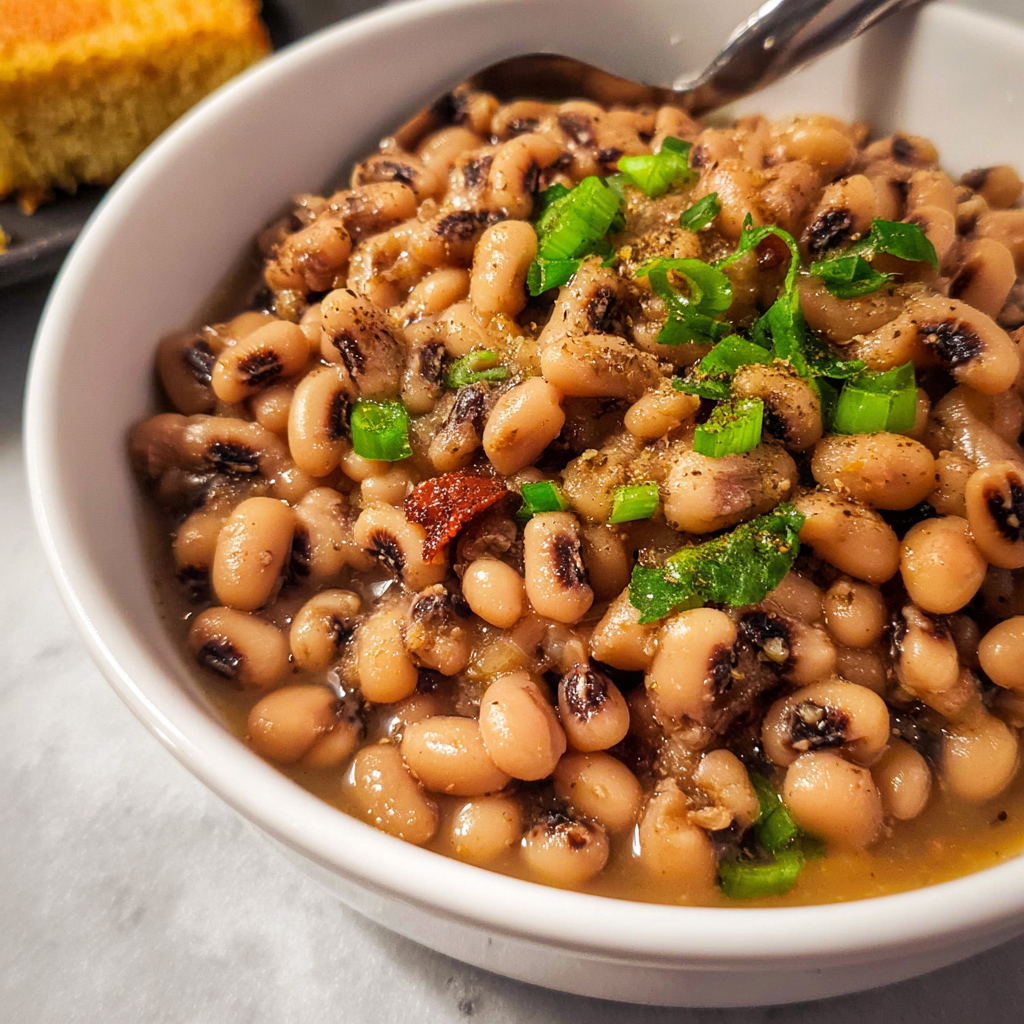
Southern Black Eyed Peas are more than just a dish; they are a cultural symbol, deeply embedded in the traditions of the South. Often associated with New Year’s Day meals for good luck, these humble legumes bring warmth and comfort, elevating any gathering with their rich history and flavor.
Cooking Black Eyed Peas requires patience and love, as the process allows the flavors to meld beautifully. With a few key ingredients, you can create a dish that reflects the heart and soul of Southern cuisine, whether it’s for a family feast or a cozy weeknight dinner.
Let’s explore the ingredients, preparation, and unique highlights that make these Black Eyed Peas meticulously traditional yet deeply satisfying.
Ingredients
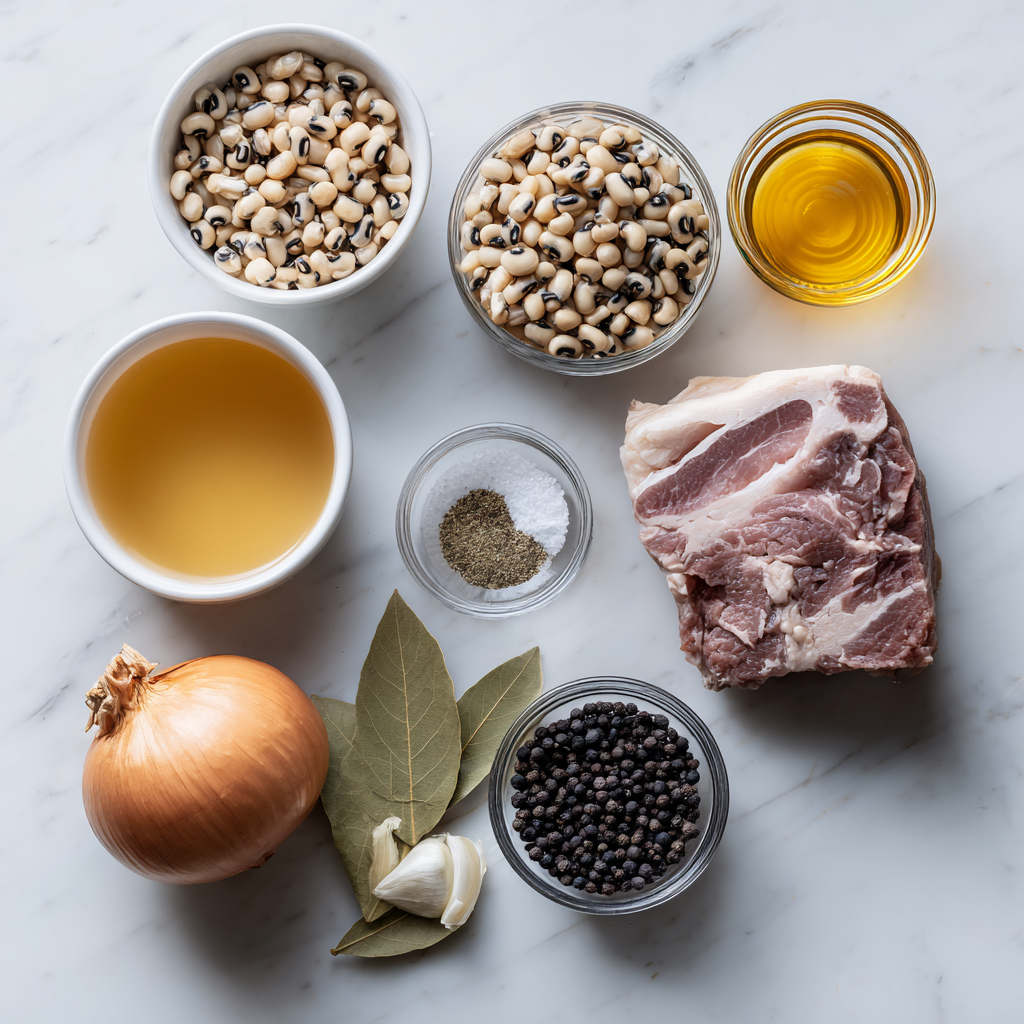
- 1 pound dried black-eyed peas
Rich in protein and fiber, black-eyed peas serve as the base of the dish. They require soaking to soften and enhance their texture. - 4 cups vegetable or chicken broth
The broth adds depth and flavor to the peas, enriching the overall dish. Using a homemade broth can elevate the taste even further. - 1 medium onion, chopped
Onions contribute sweetness and a savory foundation to the recipe, offering a fragrant base that elevates every bite. - 2 cloves garlic, minced
Garlic adds a pungent kick, enhancing the flavor profile. It deepens the dish’s aroma and harmonizes well with other ingredients. - 1 smoked ham hock
The smoky flavor from the ham hock imparts a distinctive taste, providing umami richness and a traditional touch that is characteristic of Southern cooking. - 1 teaspoon salt
Salt is essential for seasoning, helping to balance flavors and bring out the natural essence of the beans and other ingredients. - 1/2 teaspoon black pepper
This adds a mild heat and complexity to the mix, complementing the other flavors without overpowering them. - 1 bay leaf
The bay leaf infuses the dish with an aromatic depth, enhancing the overall flavor during the slow cooking process.
Directions & Preparation
Step 1: Rinse and soak black-eyed peas overnight.
Soaking the peas overnight is crucial as it softens them and reduces cooking time. Rinsing also removes any debris, ensuring a clean and enjoyable meal. If you’re short on time, a quick soak in boiling water for an hour can be a substitute.
Step 2: Drain and rinse peas after soaking.
Draining the peas helps eliminate excess sodium and any unwanted substances absorbed during soaking. A thorough rinse ensures they are clean and ready to absorb flavors during cooking.
Step 3: In a large pot, heat vegetable or chicken broth over medium heat.
Warming the broth before adding the peas helps to initiate the cooking process smoothly and allows for more effective flavor integration as the peas cook.
Step 4: Add soaked peas, onion, garlic, and ham hock to the pot.
Introducing the peas along with aromatics at this stage is key. The flavors begin to merge beautifully, and the ham hock enriches the broth with its savory qualities.
Step 5: Season with salt, black pepper, and bay leaf.
This step is where seasoning layers begin. The salt enhances the natural flavors, the bay leaf adds aromatic depth, and black pepper introduces a gentle heat, creating a well-rounded base.
Step 6: Bring to a boil, then reduce heat and simmer for about an hour.
Boiling initiates cooking, while simmering allows the peas to absorb the broth and flavors slowly. This gentle cooking is essential for achieving tender, flavorful beans.
Step 7: Check for doneness; peas should be tender but not mushy.
Testing the peas is important. They should yield to a fork without falling apart, ensuring the perfect texture. If they are still firm, continue simmering while checking every 10 minutes.
Step 8: Remove the ham hock; shred the meat back into the pot and discard bone.
This step adds another layer of flavor and texture to the dish. Shredding the meat back into the beans allows you to enjoy the smoky goodness throughout.
Step 9: Adjust seasoning if needed and serve hot.
Tasting and adjusting seasoning at the end ensure the dish fits your preferences. Serving hot allows the rich flavors to shine and provides a warm comfort on any table.
The Historical Significance of Black Eyed Peas
Black-eyed peas hold a special place in Southern history, especially as a symbol of good luck, traditionally eaten on New Year’s Day. They are tied to African culinary traditions and have become a cherished staple across the Southern U.S. Their historical value is significant, marking moments of resilience and hope in the African American community.
Perfect Pairings to Enhance Flavor
Complementing black-eyed peas with cornbread is a classic Southern pairing that balances the dish’s savory elements. Additionally, serving them alongside collard greens adds a nutritional boost and contributes to a well-rounded plate. The slight bitterness of greens offsets the richness of the peas beautifully.
Variations on the Traditional Recipe
While this recipe represents the classic preparation, variations abound. Some opt for additional flavor with diced tomatoes or spicy sausage, while others may integrate different herbs or spices. These variations offer a personal touch, allowing cooks to adapt based on preferences or regional influences.
FAQs
Why are my black-eyed peas too thick?
If your black-eyed peas are too thick, consider adding a little more broth or water to the pot gradually while stirring until you reach your desired consistency.
What if my black-eyed peas taste bland?
If your dish lacks flavor, it can often be remedied by adding more seasoning, such as salt, black pepper, or smoked paprika, to enhance the overall taste profile.
Can I incorporate other vegetables into the dish?
Yes, you can add vegetables such as bell peppers, carrots, or celery to enrich the dish. Just ensure they are added early enough for even cooking.
What are common mistakes to avoid when cooking black-eyed peas?
Common mistakes include not soaking the peas long enough or cooking them at too high a temperature. Both can negatively impact texture and flavor.
How do I adjust this recipe for larger gatherings?
To scale up the recipe, proportionally increase all ingredients while maintaining the same cooking methods. Using a larger pot is essential to accommodate the increased volume.
What side dishes pair well with this meal?
Southern sides like cornbread, rice, or fried green tomatoes complement black-eyed peas excellently, creating a delightful Southern feast.
Conclusion
Cooking traditional Southern Black Eyed Peas not only creates a delicious dish but also connects you to the rich heritage of Southern cuisine. Each ingredient serves a purpose, telling a story of comfort and warmth.
As you enjoy this recipe, remember that such dishes are meant to be shared and celebrated with loved ones. So gather around, savor those flavors, and embrace the tradition.
Recipe Card
Embracing Tradition with Southern Black Eyed Peas
Ingredients
- 1 pound dried black-eyed peas
- 4 cups vegetable or chicken broth
- 1 medium onion chopped
- 2 cloves garlic minced
- 1 smoked ham hock
- 1 teaspoon salt
- 1/2 teaspoon black pepper
- 1 bay leaf
Instructions
- Rinse and soak black-eyed peas overnight.
- Drain and rinse peas after soaking.
- In a large pot, heat vegetable or chicken broth over medium heat.
- Add soaked peas, onion, garlic, and ham hock to the pot.
- Season with salt, black pepper, and bay leaf.
- Bring to a boil, then reduce heat and simmer for about an hour.
- Check for doneness; peas should be tender but not mushy.
- Remove the ham hock; shred the meat back into the pot and discard bone.
- Adjust seasoning if needed and serve hot.
Notes
Additional serving suggestions: pair with a crisp salad, garlic bread, or roasted seasonal vegetables for balance.
For make-ahead, prep components separately and assemble just before heating to preserve texture.
Taste and adjust with acid (lemon/vinegar) and salt right at the end to wake up flavors.