Introduction
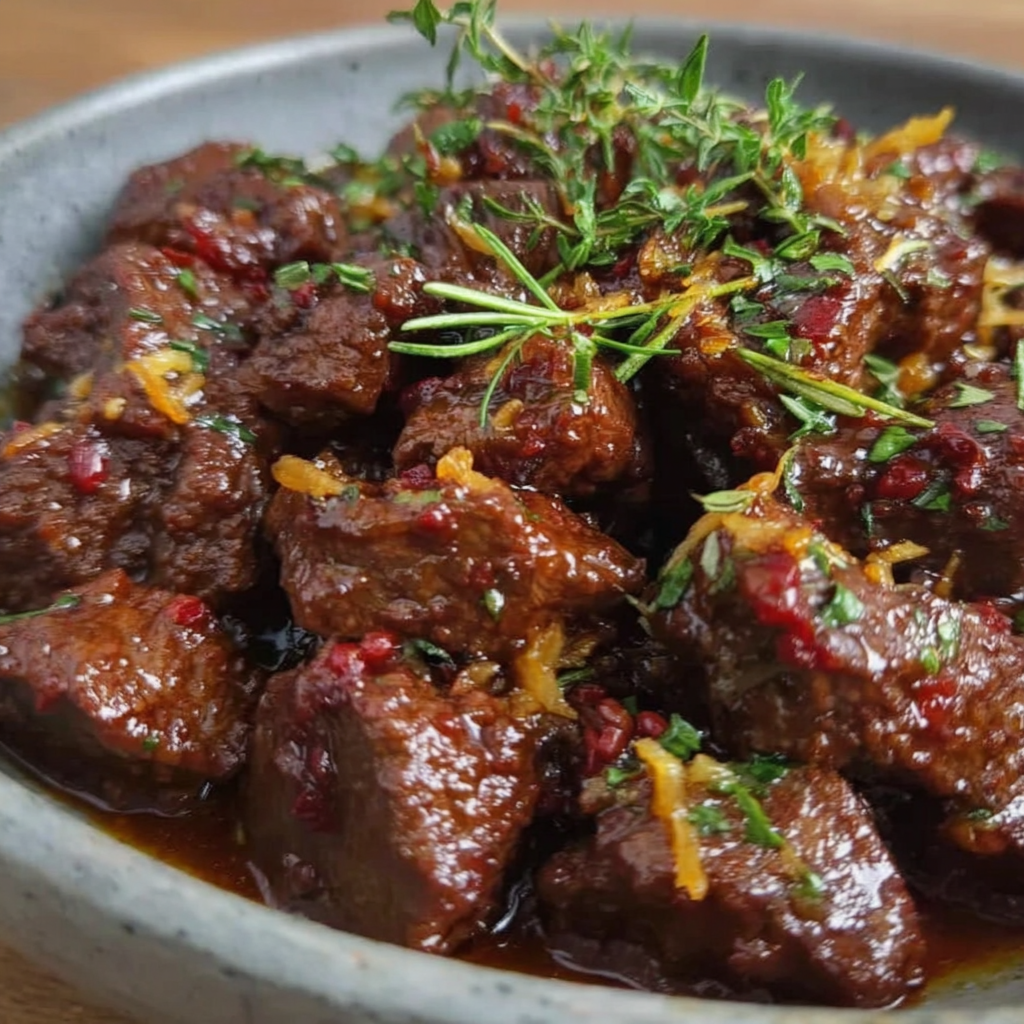
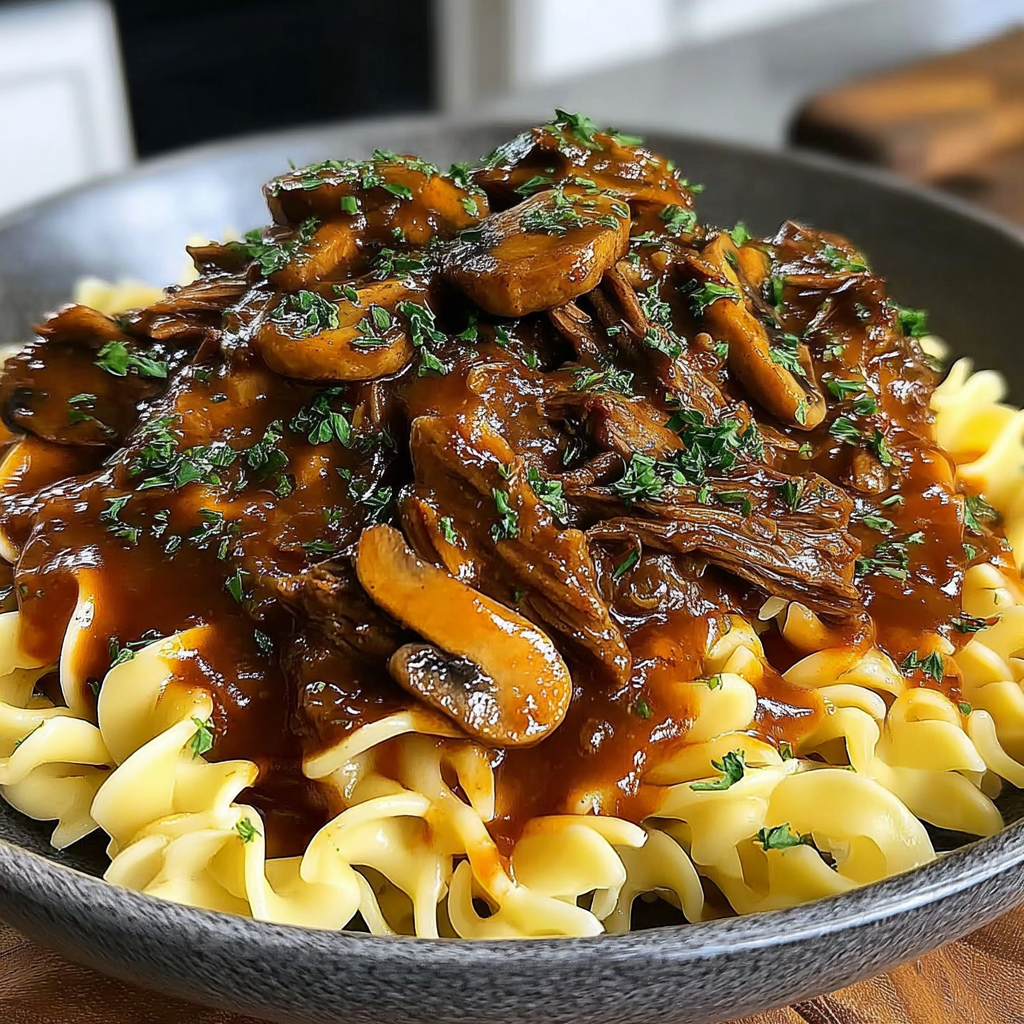
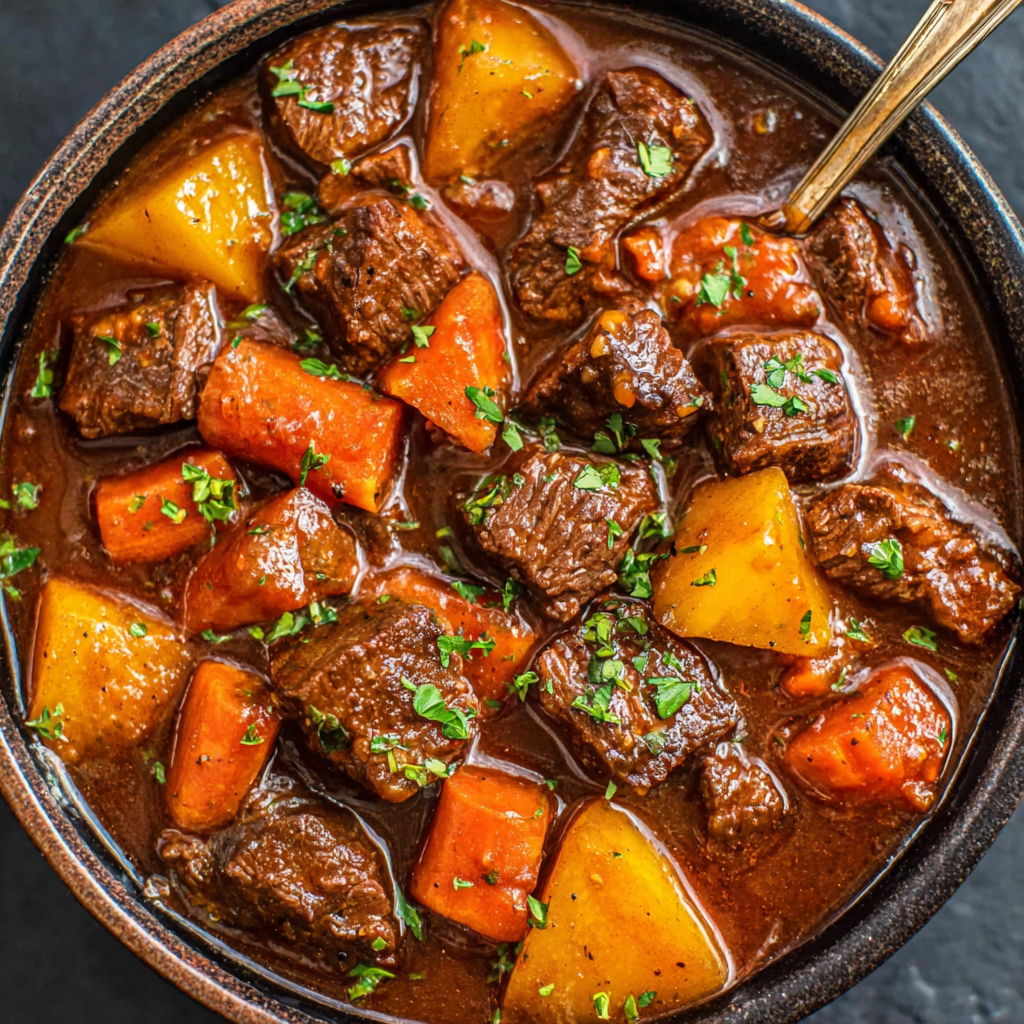
As the chill of winter settles in, few dishes are as comforting as a hearty Guinness beef stew. The deep, rich flavors of this classic Irish dish not only warm the soul but also create an inviting aroma that fills your kitchen, beckoning everyone to gather around the table.
This stew combines tender chunks of beef with the distinctive taste of Guinness stout, complemented by classic vegetables and fragrant herbs. The slow cooking process melds the flavors beautifully, creating a satisfying meal that’s perfect for sharing on a chilly evening.
Ingredients
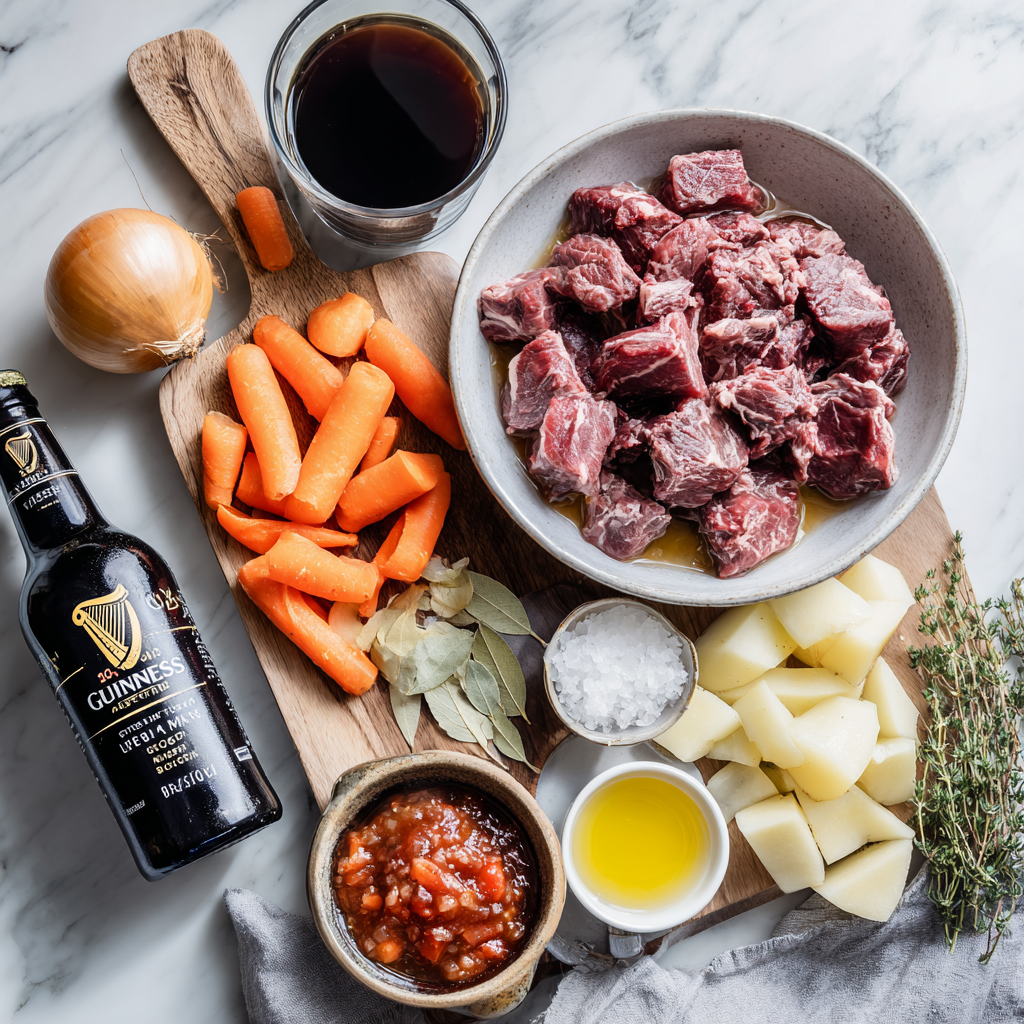
- 2 pounds beef chuck, cut into 1-inch cubes
Beef chuck is ideal for stews due to its marbling which breaks down during slow cooking, resulting in rich flavor and tenderness. The connective tissues melt into the dish, adding a silky texture. - 1 bottle (12 oz) Guinness stout
This Irish stout delivers depth and complexity, enhancing the stew with dark, malty flavors. The beer also helps to tenderize the meat, making it flavorful and succulent. - 4 cups beef broth
Beef broth serves as the base of the stew, enriching the overall flavor. Opt for a low-sodium variety to control the saltiness and season to your taste as it cooks. - 3 medium carrots, sliced
Carrots add a subtle sweetness and vibrant color to the stew. They also soften beautifully during cooking, contributing to the overall texture. - 2 medium potatoes, peeled and cubed
Potatoes absorb flavors while providing a hearty complement to the beef. They help to thicken the stew as they cook down. - 1 large onion, chopped
Onions form the aromatic foundation of the stew, adding sweetness and depth once sautéed. They also release moisture, which helps create the stew’s sauce. - 3 cloves garlic, minced
Garlic infuses the stew with robust flavor, enhancing the overall taste profile. It adds warmth and complexity, essential to any hearty stew. - 2 tablespoons tomato paste
Tomato paste contributes acidity and a touch of sweetness, balancing the stew’s flavors. It also enhances the color, creating a rich, dark sauce. - 1 teaspoon dried thyme
Thyme offers an earthy, aromatic note that harmonizes well with the other ingredients. It infuses the dish with a classic herbal character. - 2 bay leaves
Bay leaves add a subtle depth and complexity during cooking. Remember to remove them before serving as they’re not meant to be eaten. - Salt and pepper to taste
These basic seasonings enhance all the flavors present in the stew, allowing the natural ingredients to shine through. Adjust them to your personal preference. - 2 tablespoons olive oil
Olive oil is essential for sautéing the onion and garlic at the beginning of the cooking process. It helps develop a flavorful base for the stew.
Directions & Preparation
Step 1: Heat olive oil in a large pot over medium heat.
Heating the olive oil properly is crucial before adding the aromatics. This ensures that the onion and garlic sauté correctly, releasing their natural flavors and creating a fragrant base for the stew.
Step 2: Add chopped onion and sauté for about 5 minutes until translucent.
Sautéing the onions until they’re translucent is important as it softens them and brings out their sweetness. This step lays the foundation for the stew’s flavor, as the onions will form the aromatic background for the other ingredients.
Step 3: Stir in minced garlic and cook for an additional minute.
Adding garlic last helps to prevent burning, which can create bitterness. Cooking just until fragrant allows the garlic to enhance the stew’s flavor without overpowering the other ingredients.
Step 4: Toss in the beef cubes and season with salt and pepper; brown on all sides.
Browning the beef is critical for developing rich, deep flavors through the Maillard reaction. This step also adds color to the stew, improving its visual appeal and overall taste.
Step 5: Add tomato paste, stirring to fully coat the beef and vegetables.
Incorporating tomato paste at this stage ensures it cooks well with the meat and vegetables, enhancing the flavor profile. The heat will caramelize the sugars in the paste, adding complexity to the dish.
Step 6: Pour in the Guinness stout, scraping the bottom to deglaze the pot.
Deglazing is an essential step that releases the flavorful bits stuck to the bottom of the pot. The Guinness will add richness, and scraping helps to meld all the flavors together.
Step 7: Add beef broth, carrots, potatoes, thyme, and bay leaves; stir to combine.
Combining all ingredients at this point allows the flavors to meld as they cook. The vegetables will impart their sweetness into the broth, creating a harmonious stew.
Step 8: Bring the mixture to a boil, then reduce heat to low and cover.
Boiling the stew initially helps to achieve a quick temperature rise, making the ingredients start cooking. Once covered and simmered on low heat, the flavors will deepen, and the beef will become tender.
Step 9: Simmer for at least 2 hours, checking occasionally and stirring.
Allowing the stew to simmer for a prolonged period is crucial for tenderness and flavor development. Stirring occasionally prevents sticking and allows for even cooking, ensuring a perfectly blended dish.
Step 10: Taste and adjust seasoning, removing bay leaves before serving.
Tasting the stew before serving is vital; it allows you to balance flavors and adjust salt and pepper as needed. Removing bay leaves is important as they can be tough and sharp if left in.
The Heart of Darkness: Why Guinness Matters
The choice of Guinness in beef stew is not just a nod to Irish tradition; it actively transforms the dish. The stout’s roasted malt flavors enhance the beef, contributing a slight bitterness that balances the overall taste. Additionally, as the stew cooks, the alcohol evaporates, leaving behind a depth of flavor that enriches the broth, making each bite complex and satisfying.
Perfect Pairing: Choosing Your Vegetables
While carrots and potatoes are classic choices for beef stew, consider doubling down on flavor by adding parsnips or turnips for a unique twist. These root vegetables deepen the earthiness of the dish, complementing the Guinness’s robust profile. Remember to chop them into similar sizes to ensure even cooking and a harmonious texture throughout the stew.
Thickening Tips: Achieving the Perfect Consistency
A well-made stew strikes a balance between being hearty and not overly thick. If your stew is too thick at the end, you can stir in a little extra beef broth until your desired consistency is reached. Alternatively, if it’s too thin, a quick mix of cornstarch with water can help thicken the sauce without altering the flavor.
FAQs
What can I do if the stew is too thick?
If your stew turns out too thick, gradually add more beef broth or water until you reach your desired consistency.
How can I make this stew a bit spicier?
For a spicier kick, add some red pepper flakes or diced jalapeños while cooking, adjusting to your heat preference.
Is there a substitute for Guinness?
If you want a non-alcoholic option, substitute Guinness with a mix of beef broth and a splash of vinegar or a dark soda for a similar flavor profile.
What should I do if the stew tastes bland?
If the stew tastes bland, consider adding more seasoning in the form of salt, black pepper, or even a splash of Worcestershire sauce for added umami.
Can I use other cuts of meat for this stew?
Yes, you can use cuts like brisket or short ribs if preferred, but keep in mind the cooking time may vary depending on the cut’s tenderness.
What if the vegetables are overcooked?
If your vegetables become mushy, try adding fresh, sautéed vegetables at the end of cooking to provide a fresher texture and flavor contrast.
Conclusion
Cooking a comforting Guinness beef stew is not just about the ingredients, but about the experience of preparing it. Taking your time and allowing the flavors to develop transforms simple ingredients into a cozy meal that can be shared with family and friends.
Whether you’re enjoying it on a cold winter night or serving it to guests during a gathering, this stew is sure to become a cherished recipe in your culinary repertoire. Embrace the warmth and richness it brings to your table.
Recipe Card

Hearty Guinness Beef Stew for Cozy Nights
Ingredients
- 2 pounds beef chuck cut into 1-inch cubes
- 1 bottle 12 oz Guinness stout
- 4 cups beef broth
- 3 medium carrots sliced
- 2 medium potatoes peeled and cubed
- 1 large onion chopped
- 3 cloves garlic minced
- 2 tablespoons tomato paste
- 1 teaspoon dried thyme
- 2 bay leaves
- Salt and pepper to taste
- 2 tablespoons olive oil
Instructions
- Heat olive oil in a large pot over medium heat.
- Add chopped onion and sauté for about 5 minutes until translucent.
- Stir in minced garlic and cook for an additional minute.
- Toss in the beef cubes and season with salt and pepper; brown on all sides.
- Add tomato paste, stirring to fully coat the beef and vegetables.
- Pour in the Guinness stout, scraping the bottom to deglaze the pot.
- Add beef broth, carrots, potatoes, thyme, and bay leaves; stir to combine.
- Bring the mixture to a boil, then reduce heat to low and cover.
- Simmer for at least 2 hours, checking occasionally and stirring.
- Taste and adjust seasoning, removing bay leaves before serving.
Notes
Additional serving suggestions: pair with a crisp salad, garlic bread, or roasted seasonal vegetables for balance.
For make-ahead, prep components separately and assemble just before heating to preserve texture.
Taste and adjust with acid (lemon/vinegar) and salt right at the end to wake up flavors.