Introduction
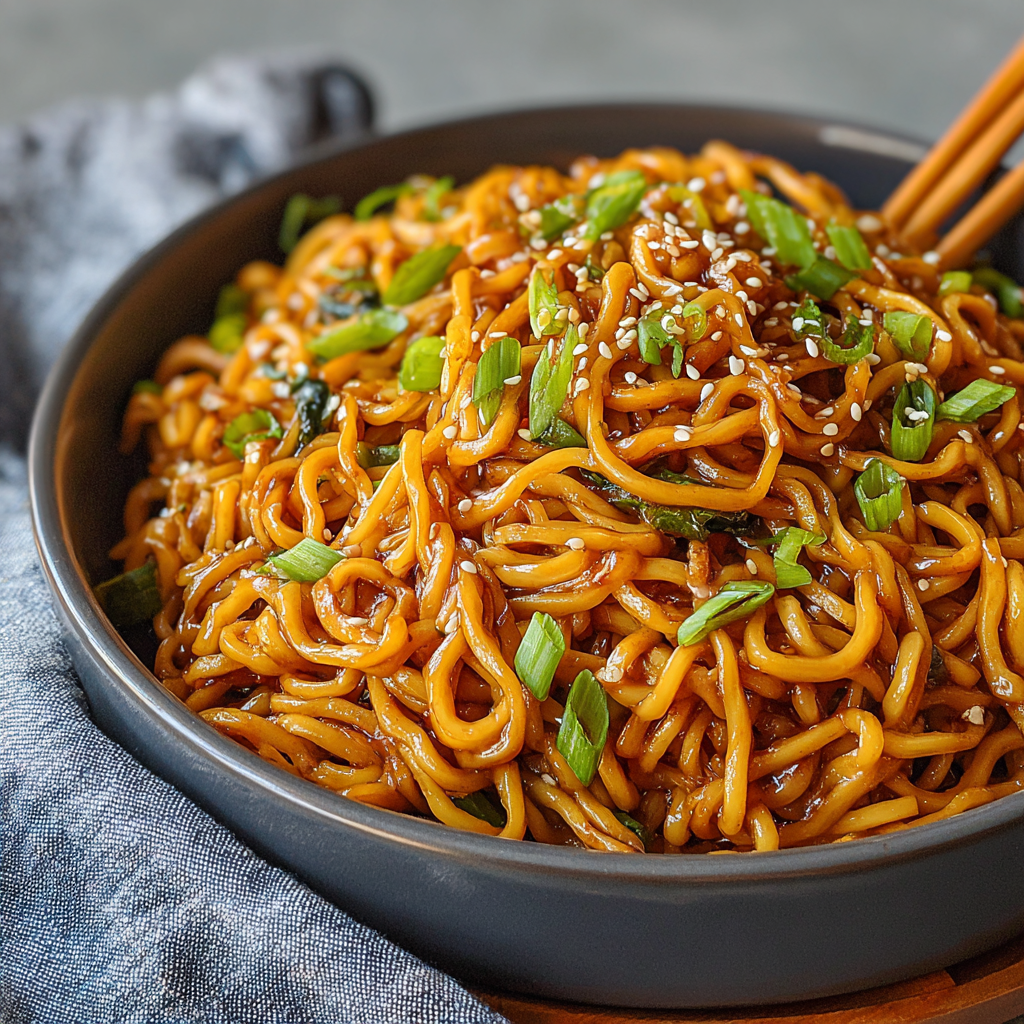
Hibachi noodles, with their savory layers and smoky undertones, introduce a delightful twist to mealtime. These stir-fried noodles, often cooked on a hibachi grill, capture the essence of Japanese cuisine right in your kitchen. Mastering this dish not only enhances your culinary skills but also invites family and friends to gather around a meal bursting with flavor.
Cooking traditionally hibachi noodles may seem challenging, but the process is approachable with the right ingredients and techniques. This dish is not just about nourishment, but also about celebration, bringing together simple yet vibrant flavors that highlight the art of Japanese cooking. Let’s dive into the ingredients and methods that will bring this enticing meal to life.
Ingredients
- 8 oz udon noodles
These thick, chewy noodles serve as the foundation of the dish, absorbing flavors from sauces and vegetables beautifully. Their texture allows them to stand up well to stir-frying, creating a satisfying chew with every bite. - 2 tbsp vegetable oil
Vegetable oil is crucial for stir-frying as it has a high smoke point, ideal for high-heat cooking. It helps achieve a slight crispness in the noodles while also facilitating even cooking of the vegetables. - 1 cup bell peppers, sliced
Bell peppers add vibrant color and a sweet crunch to the dish. They also provide essential vitamins and a subtle sweetness that balances the savory elements. - 1 cup carrots, julienned
Carrots introduce a natural sweetness and a pleasant crunch, complementing the softness of the noodles. They are also high in fiber and add a nutritious component to the meal. - 1 cup shiitake mushrooms, sliced
Shiitake mushrooms bring an earthy depth to the dish, with their rich umami flavor. They pair well with the other ingredients and enhance the overall complexity of tastes. - 3 green onions, chopped
Green onions, or scallions, add a fresh, zesty note to the dish. They provide a pop of color and a delightful crunch that contrasts with the softer vegetables and noodles. - 4 cloves garlic, minced
Garlic is a key aromatic that infuses the dish with a robust flavor. Its pungent aroma and warmth significantly enhance the overall taste profile when sautéed. - 2 tbsp soy sauce
Soy sauce adds a deep savory element that is essential to achieving the traditional hibachi flavor. Its saltiness helps tie all the ingredients together, adding moisture and depth. - 1 tbsp sesame oil
Sesame oil introduces a nutty fragrance and richness. Just a little goes a long way in elevating the overall flavor, making the dish more aromatic and enticing. - 1 tsp ginger, grated
Ginger offers a spicy warmth and bright flavor to balance the richness of the sauce. It also complements the other ingredients well, making for a well-rounded dish.
Directions & Preparation
Step 1: Cook the udon noodles according to the package instructions, then drain and rinse under cold water.
Cooking the noodles properly is vital to achieving the right texture. Rinsing them under cold water stops the cooking process and helps prevent clumping, allowing them to fry evenly later in the dish.
Step 2: Heat the vegetable oil in a large skillet or wok over medium-high heat.
Heating the oil before adding ingredients is crucial for a successful stir-fry. It ensures that the vegetables and noodles cook quickly and evenly, preventing them from becoming soggy or overcooked.
Step 3: Add garlic and ginger to the skillet, sautéing until fragrant, about 30 seconds.
Sautéing garlic and ginger first releases their essential oils, infusing the oil with rich, aromatic flavors. This step lays the flavor foundation for the dish and enhances the overall taste.
Step 4: Incorporate bell peppers, carrots, and mushrooms, stirring frequently until just tender, about 4-5 minutes.
Adding the vegetables in stages ensures each type cooks to perfection. They should remain slightly crisp, providing texture and color that contrast with the noodles.
Step 5: Toss in the cooked udon noodles, soy sauce, and sesame oil, mixing all ingredients thoroughly.
This step is critical for ensuring that every strand of noodle is coated in the savory sauce. Mixing thoroughly allows the flavors to meld, making each bite deliciously satisfying.
Step 6: Add chopped green onions and stir for an additional minute before removing from heat.
Adding green onions at the end preserves their fresh flavor and vibrant color. The quick stir ensures they are just warmed through, contributing to the dish’s freshness.
Step 7: Serve hot, garnished with additional green onions or sesame seeds if desired.
Garnishing the dish not only enhances its visual appeal but also adds extra flavor and texture. Serving it hot ensures the best taste and experience of the dish.

Savoring the Aromatics of Hibachi Cuisine
The distinctive scent of garlic and ginger sizzling in hot oil is a hallmark of hibachi cooking. This powerful aromatic base layers depth into your dish, setting the stage for the vibrant colors and textures to come. Not only do these ingredients provide a robust flavor, but they also create an inviting atmosphere as they fill your kitchen with mouth-watering smells.
The Art of Stir-Frying
Stir-frying is a fast and high-heat cooking method that requires practice and precision. The quick movements and constant tossing ensure even cooking and prevent burning. The key is to work swiftly without overcrowding the pan, allowing each ingredient to sear and caramelize, bringing out its natural sweetness and flavors. This technique, when mastered, can transform everyday ingredients into extraordinary dishes.
Elevating Flavors with Sauce Balance
Balancing the sauce components is vital in hibachi noodle preparation. The interplay of soy sauce's umami salinity and sesame oil's nuttiness should complement your vegetables while enhancing the dish's core flavor. Adjusting these elements according to your taste can convert a simple meal into a culinary experience, highlighting the importance of balancing savory, sweet, and nutty flavors.
FAQs
What can I use instead of udon noodles?
You can substitute udon noodles with soba or rice noodles; however, cooking times may vary.
Why are my noodles sticking together?
Sticking may occur if they were not rinsed after cooking. Rinsing in cold water helps prevent sticking by removing excess starch.
How can I make these noodles spicier?
To amp up the heat, consider adding chili oil or fresh sliced chili peppers during the stir-fry process.
What if my sauce becomes too thick?
If the sauce thickens excessively, add a splash of water or broth and continue cooking until it's perfectly saucy again.
Can I add protein to this dish?
Absolutely! Chicken, shrimp, or tofu can be added during the vegetable cooking stage for a hearty meal.
How can I make these noodles more flavorful?
You can enhance flavor by marinating the proteins or adding more soy sauce and sesame oil to taste.
Why did my vegetables become mushy?
Overcooking can result in mushy vegetables; ensure you add them according to their cooking times, starting with the firmer ones.
Can I use other types of vegetables?
Yes, feel free to include any of your favorite stir-fry vegetables like broccoli, snap peas, or zucchini.
Conclusion
Traditionally hibachi noodles offer an engaging culinary experience that can transform your cooking routine. The robust flavors and textures invite creativity, making it a versatile dish that can suit any palate or occasion.
With practice, you’ll master not just the technique of stir-frying but also the art of balancing flavors, allowing you to adapt the recipe with your preferred ingredients. Gather your friends and family around the table, and enjoy a delicious homemade feast of hibachi noodles.
Recipe Card

Delightful Traditionally Hibachi Noodles at Home
Ingredients
- 8 oz udon noodles
- 2 tbsp vegetable oil
- 1 cup bell peppers sliced
- 1 cup carrots julienned
- 1 cup shiitake mushrooms sliced
- 3 green onions chopped
- 4 cloves garlic minced
- 2 tbsp soy sauce
- 1 tbsp sesame oil
- 1 tsp ginger grated
Instructions
- Cook the udon noodles according to the package instructions, then drain and rinse under cold water.
- Heat the vegetable oil in a large skillet or wok over medium-high heat.
- Add garlic and ginger to the skillet, sautéing until fragrant, about 30 seconds.
- Incorporate bell peppers, carrots, and mushrooms, stirring frequently until just tender, about 4-5 minutes.
- Toss in the cooked udon noodles, soy sauce, and sesame oil, mixing all ingredients thoroughly.
- Add chopped green onions and stir for an additional minute before removing from heat.
- Serve hot, garnished with additional green onions or sesame seeds if desired.
Notes
Additional serving suggestions: pair with a crisp salad, garlic bread, or roasted seasonal vegetables for balance.
For make-ahead, prep components separately and assemble just before heating to preserve texture.
Taste and adjust with acid (lemon/vinegar) and salt right at the end to wake up flavors.